Key takeaways:
Xywav is FDA approved to treat narcolepsy and idiopathic hypersomnia (IH), which are both sleep disorders. It’s the only FDA-approved medication for IH.
It’s not exactly clear how Xywav works to treat IH. But its active ingredient, oxybate, is thought to calm the brain and promote better sleep.
Xywav can lead to dependence and misuse, which is why it’s a controlled substance. It can also slow your breathing, especially if it’s used in combination with other sleep medications, opioids, or benzodiazepines.
Idiopathic hypersomnia (IH) causes extreme daytime sleepiness that doesn’t improve with sleep. People with IH may sleep for long hours, struggle to wake up, and still feel exhausted throughout the day.
In 2021, Xywav became the first FDA-approved medication for IH. Experts still don’t fully understand how it works. But Xywav can promote daytime wakefulness and improve other IH symptoms for some people.
Below, we’ll answer six common questions about Xywav — from how it works to how it compares to other treatment options.
1. How does Xywav work for IH?
Xywav is an oral liquid solution containing a mixture of four oxybate salts:
Calcium oxybate
Magnesium oxybate
Potassium oxybate
Sodium oxybate
The active molecule in Xywav is oxybate, a central nervous system depressant that slows down brain activity. Oxybate is related to gamma-aminobutyric acid (GABA), a chemical messenger that helps calm nerve cell activity in the brain.
Experts don’t fully understand how Xywav treats IH. But it’s thought to improve nighttime sleep quality and reduce daytime sleepiness by altering brain activity during sleep.
Common symptoms treated by Xywav
In clinical trials, people taking Xywav for IH experienced improvements in:
Daytime alertness
Overall IH symptom severity
Functioning at work and during daily activities
Sleep inertia (grogginess upon awakening)
2. What else is Xywav used for?
Xywav was originally approved in 2020 to treat excessive daytime sleepiness (EDS) and cataplexy (sudden muscle weakness triggered by strong emotions) in people ages 7 and older who have narcolepsy. A year later, it was approved to treat IH in adults.
Xywav is unique because it’s the only medication that’s specifically approved for IH. There are other medications, such as modafinil (Provigil), recommended for IH, but they’re used off-label. Off-label use is when a medication is prescribed for a condition for which it’s not FDA approved.
3. Is Xywav a controlled substance?
Yes, Xywav is a controlled substance. This means it can lead to dependence and misuse.
As mentioned above, the active ingredient in Xywav is oxybate. And oxybate is the salt form of a substance called gamma-hydroxybutyrate (GHB). GHB is an illegal drug that can calm the body and produce a high. GHB has the potential to cause dependence and be misused.
When Xywav is taken as prescribed, it’s considered safe. But since it’s related to GHB, it has risks, especially when taken incorrectly. Some of these risks — including slowed breathing, seizures, and coma — can be life-threatening.
Xywav can only be prescribed and dispensed under a Risk Evaluation and Mitigation Strategy (REMS) program because of its serious risks. This means there are special requirements put in place by the federal government to monitor and control how Xywav is prescribed and used. For example, only specially certified healthcare professionals can prescribe Xywav. And only certified pharmacies can dispense it.
4. How does Xywav compare to other medications for IH?
The American Academy of Sleep Medicine (AASM) recommends modafinil as a first-choice treatment for IH. This recommendation is largely based on the amount of research supporting modafinil’s use for IH. But it’s important to know that the AASM’s most recent guidelines were published before the FDA approved Xywav for IH in 2021.
Since then, clinical studies have shown that Xywav can help improve several key IH symptoms, including EDS, sleep inertia, and prolonged nighttime sleep.
Other medications that may be used to treat IH include:
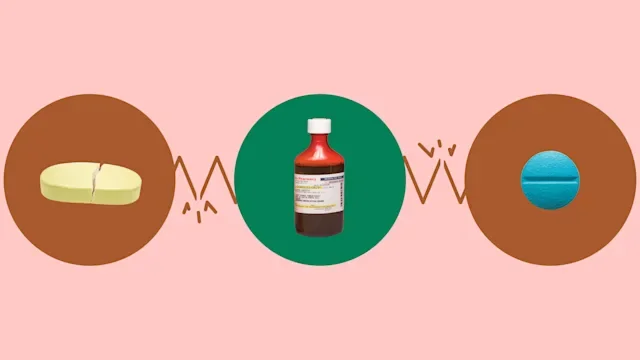
Xyrem (sodium oxybate)
Clarithromycin
Methylphenidate (Ritalin)
Wakix (pitolisant)
The best treatment option depends on factors such as your symptoms, medical history, and insurance coverage.
Xywav vs. Xyrem
Xywav and Xyrem are closely related medications. Both contain oxybate, the active molecule thought to improve IH symptoms. Because of this, they’re thought to work similarly, though studies directly comparing them are lacking.
One major difference between Xywav and Xyrem is their sodium content. Xywav contains 92% less sodium than Xyrem at approved doses. This is because it contains a mix of oxybate salts instead of sodium oxybate alone. This may make Xywav a better option for people who need to limit their sodium intake, such as those with high blood pressure, heart failure, or kidney disease.
Another key difference is their FDA-approval status. Xywav is currently the only medication FDA approved specifically for IH. Though, Xyrem may still be prescribed off-label for the condition.
5. Is Xywav safe?
When taken under the care of a medical professional trained to prescribe the medication, Xywav is considered safe for many people. But it can still cause side effects, some of which are potentially serious.
Common Xywav side effects include:
Nausea and vomiting
Decreased appetite
Sleepwalking and other parasomnias
Tremors (shakiness)
Trouble sleeping
Dry mouth
Diarrhea
Anxiety
More serious risks include:
Dependence and misuse
Slowed breathing, especially when combined with alcohol or other sedating medications (such opioids, benzodiazepines, and other sleep medications)
Excessive drowsiness that can affect driving and daily activities
Sleep apnea and other sleep-related breathing problems
Sleep-related injuries from behaviors such as sleepwalking
Mental health side effects — including hallucinations, depression, and suicidal thoughts — especially when there’s a history of depression and/or suicidal thoughts or actions
Because Xywav can lower alertness, avoid driving or performing other tasks that require focus for at least 6 hours after taking a dose. When first starting treatment, it’s best to be especially cautious until you know how the medication affects you.
Contact your healthcare team right away if you experience excessive sleepiness, breathing problems, sleepwalking, or changes in mood or behavior while taking Xywav. And before starting Xywav, give your healthcare team a list of all the medications and over-the-counter products you take. This will help them check for interactions that may worsen side effects or increase risks.
If you or someone you know is having thoughts of suicide, you’re not alone, and help is available. Call the National Suicide Prevention Lifeline at 988, or text “HOME” to 741-741 to reach the Crisis Text Line.
6. How long does Xywav stay in your system?
Xywav is processed and removed from the body relatively quickly. After a dose, most of the medication is eliminated within about 5 hours.
While Xywav is cleared from the body fairly quickly, its sedating effects can linger. It may still affect your reaction time, coordination, and judgment into the next morning. Because of this, you should avoid driving or doing other activities that require alertness for at least 6 hours after taking a dose.
Keep in mind that Xywav may affect people differently. Factors such as your dose, metabolism, and medical history can influence how long its effects last.
The bottom line
Xywav is the only FDA-approved medication for treating idiopathic hypersomnia (IH). It also treats narcolepsy. Xywav contains four oxybate salts: calcium, magnesium, potassium, and sodium. It’s not exactly clear how Xywav works to treat IH. But it’s thought that oxybate calms the brain and promotes better nighttime sleep, so you feel less sleepy during waking hours.
Xywav can be safe and effective for IH, but it also has risks. It’s a controlled substance that can lead to dependence and misuse. It can also slow your breathing, especially if you take it with other sleep medications, opioids, or benzodiazepines. Give your healthcare professional and pharmacist an updated list of your over-the-counter and prescription medications before starting Xywav. This will help them check for drug interactions.

Why trust our experts?



References
Arnulf, I., et al. (2023). Update on the treatment of idiopathic hypersomnia: Progress, challenges, and expert opinion. Sleep Medicine Reviews.
Bogan, R. K., et al. (2023). Long-term safety and tolerability during a clinical trial and open-label extension of low-sodium oxybate in participants with narcolepsy with cataplexy. CNS Drugs.
Busardò, F. P., et al. (2015). Clinical applications of sodium oxybate (GHB): From narcolepsy to alcohol withdrawal syndrome. European Review for Medical and Pharmacological Sciences.
Chen, C., et al. (2021). Pharmacokinetics, bioavailability, and bioequivalence of lower‐sodium oxybate in healthy participants in two open‐label, randomized, crossover studies. Clinical and Translational Science.
Dauvilliers, Y., et al. (2022). Calcium, magnesium, potassium, and sodium oxybates oral solution: A lower-sodium alternative for cataplexy or excessive daytime sleepiness associated with narcolepsy. Nature and Science of Sleep.
Drug Enforcement Administration. (n.d.). GHB - gamma-hydroxybutyric acid. U.S. Department of Justice.
Heo, Y. A. (2022). Calcium, magnesium, potassium and sodium oxybates (Xywav) in sleep disorders: A profile of its use. CNS Drugs.
Hypersomnia Foundation. (n.d.). Idiopathic hypersomnia.
Jazz Pharmaceuticals Inc. (2020). Jazz Pharmaceuticals announces U.S. FDA approval of Xywav (calcium, magnesium, potassium, and sodium oxybates) oral solution for cataplexy or excessive daytime sleepiness associated with narcolepsy.
Jazz Pharmaceuticals Inc. (2021). Jazz Pharmaceuticals announces U.S. FDA approval of Xywav (calcium, magnesium, potassium, and sodium oxybates) oral solution for idiopathic hypersomnia in adults.
Jazz Pharmaceuticals. (2025). Xywav - calcium, magnesium, potassium, and sodium oxybates solution [package insert]. DailyMed.
Maski, K., et al. (2021). Treatment of central disorders of hypersomnolence: An American Academy of Sleep Medicine clinical practice guideline. Journal of Clinical Sleep Medicine.
Schneider, L. D., et al. (2023). Long-term treatment of narcolepsy and idiopathic hypersomnia with low-sodium oxybate. Nature and Science of Sleep.
U.S. Food & Drug Administration. (n.d.). Search orphan drug designations and approvals: calcium, magnesium, potassium, and sodium oxybates, sodium oxybate.