Key takeaways:
Mixing alcohol and cannabis can make you feel more impaired and lead to risky behavior and accidental harm. Consuming cannabis first may reduce the amount of alcohol you drink. But the risks of combining these substances outweigh this possible benefit.
Over time, consuming cannabis and alcohol together can increase your risk of mental health problems and substance use disorders. If you’re using these substances to cope with life challenges, consider therapy and medical treatment as an alternative.
It’s best to avoid mixing weed and alcohol. But if you choose to do so, there are steps you can take to help lower your risks. These include having a safety plan in place and starting with a small amount of both substances.
Alcohol and cannabis are two of the most commonly used substances in the U.S. The combined use of alcohol and cannabis is increasing as more people have access to legal cannabis in their state.
But what happens when you mix weed and alcohol? And what are the risks involved with being drunk and high at the same time? Here’s what you should know.
What happens when you mix weed and alcohol?
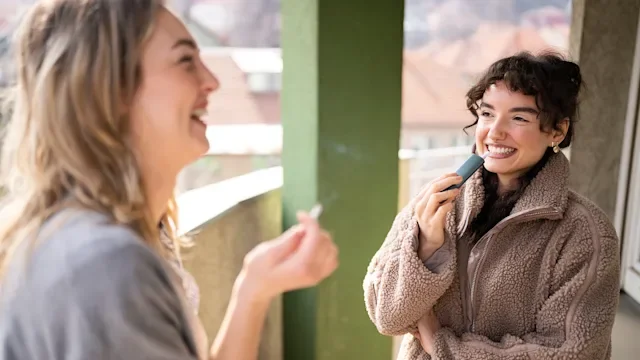
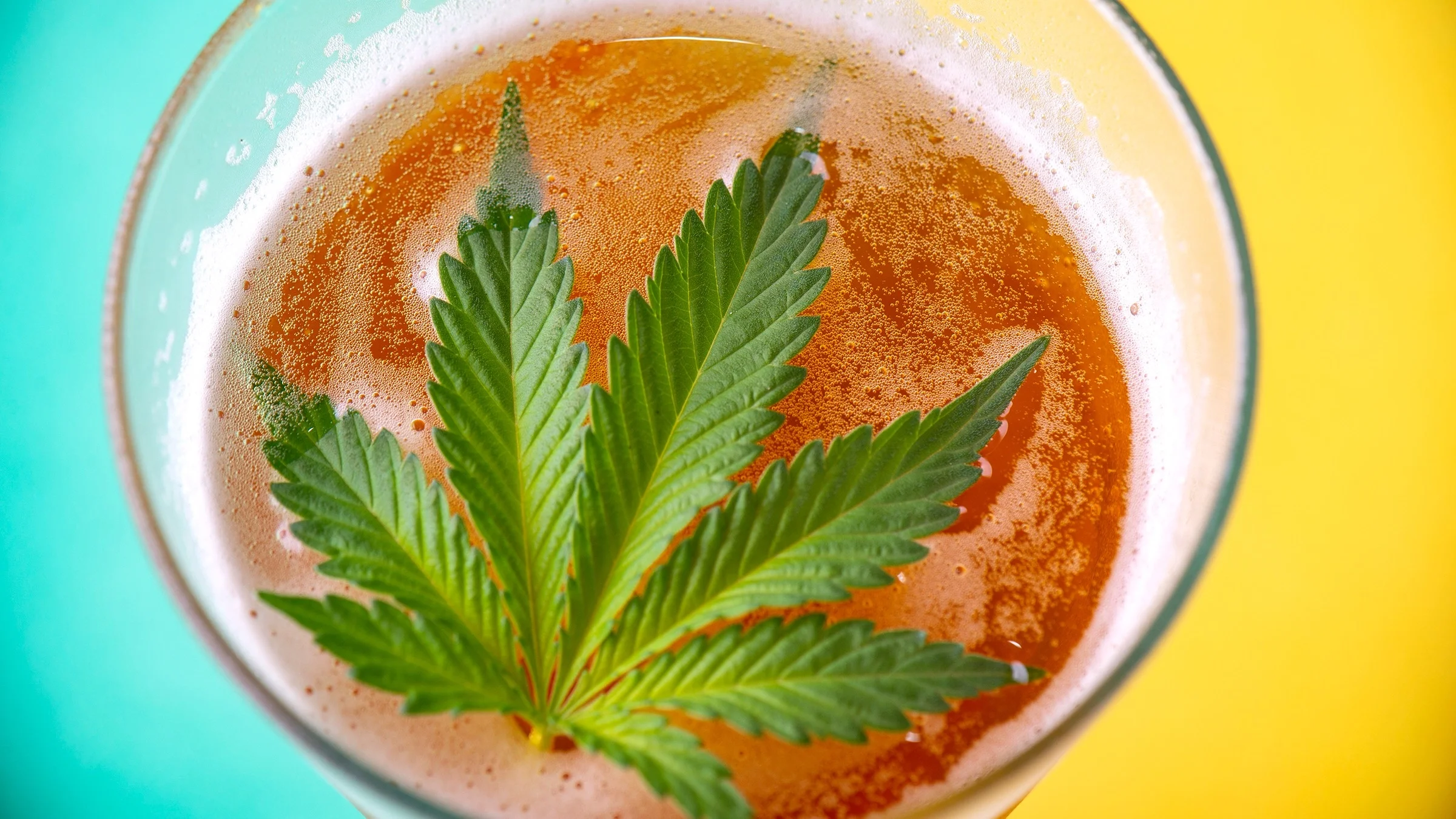
Mixing cannabis and alcohol can affect people in different ways. There’s a complex interaction between the two substances. Some people enjoy consuming cannabis and alcohol at the same time, also referred to as “cross-fading.” For others, combining the two substances leads to unwanted side effects.
Search and compare options
Both alcohol and tetrahydrocannabinol (THC), the main intoxicating compound in cannabis, can affect how you move, think, and react. THC works by interacting with your body’s endocannabinoid system (ECS). Alcohol also interacts with the ECS. This may be why their combined effects are stronger than either substance on its own. Research also suggests that alcohol may increase THC levels if it’s consumed with cannabis.
But study results are conflicting. Some older research showed that smoking cannabis after drinking resulted in lower blood alcohol levels. Another small study looked at 96 people who wanted to cut back on their drinking habits. It found that on days when they consumed cannabis, they drank about 30% fewer drinks and were less likely to binge drink.
Part of the reason for these conflicting results is that both alcohol and cannabis affect people differently because of a variety of factors. This makes it even harder to predict how you may respond to both substances when they’re combined.
Does it matter which substance you use first?
It may, but we don’t know for sure. Studies show that when people consume cannabis first, they often drink less alcohol after. This suggests that cannabis might lower your desire to drink as much. Other studies show that if you drink alcohol first, you’re more likely to consume more alcohol throughout the day, even after consuming cannabis.
In a study of 258 college students who used both alcohol and cannabis, similar results were found. When students used cannabis first, they generally consumed more cannabis and drank less alcohol that day. But on days when they drank alcohol first, they ended up drinking more overall. Using cannabis afterward didn’t reduce the amount of alcohol they consumed.
Keep in mind that none of these studies are randomized, controlled trials. So the evidence isn’t as reliable when it comes to drawing a firm conclusion.
What are the risks of mixing weed and alcohol?
There are both short-term and long-term risks of mixing cannabis and alcohol. Keep in mind that while cannabis may help with the symptoms of some health conditions, it isn’t an FDA-approved medication. And according to the World Health Organization (WHO), no amount of alcohol is considered safe for your health.
If you choose to use these substances together, you can help protect your safety by consuming them responsibly. Use moderation, and give yourself plenty of time between substances to be sure you’re not overdoing it.
Short-term risks
The short-term risks of combining alcohol and cannabis include:
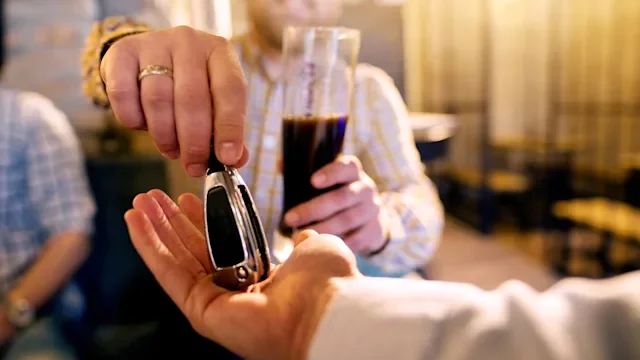
Increased impairment: Alcohol and cannabis both affect brain activity. The combination can make it harder for you to remember things, focus, or move around safely. The chance of accidental harm may go up due to these combined effects. This is especially dangerous if you’re driving. People who mix alcohol and cannabis are twice as likely to drive while intoxicated as those who don’t.
Drinking more alcohol: Mixing cannabis with alcohol can make it harder to tell how drunk you are. So you may end up drinking more than you normally would. This can increase the risk of binge drinking or alcohol poisoning.
Physical symptoms: Side effects such as nausea and vomiting, dizziness, and sweating can occur. You may also feel anxious or distressed.
Risky behavior: Impaired judgment can raise the chance of risky behaviors, such as unprotected sex, which can have serious consequences.

Read more like this
Explore these related articles, suggested for readers like you.



Long-term risks
The long-term risks of consuming alcohol and cannabis together include:
Mental health issues: There’s an increased risk of behavioral problems and psychosis, especially in young people.
Increased risk of substance use disorders: Regularly consuming both alcohol and cannabis can raise your risk of dependence and misuse. There’s also a higher risk of developing substance use disorders.
Is it safe to mix alcohol and CBD oil?
Cannabidiol, or CBD, is a non-intoxicating compound found in cannabis. Since it’s sold over the counter, some may assume it’s safe to mix with alcohol. But this isn’t necessarily the case.
Possible risks include:
CBD can make you sleepy, especially at high doses. Alcohol can worsen this side effect, making you feel groggy or disoriented. This can lead to falls or driving accidents.
CBD and alcohol can both increase your liver enzymes, which can lead to liver damage. Combining them may increase this risk.
Possible benefits include:
CBD may help protect the liver from harm caused by alcohol.
CBD may reduce cravings and lower the risk of developing alcohol dependence.
Much of the above research involved animals, not humans. Until we have more human evidence, it’s best to avoid mixing CBD with alcohol unless a healthcare professional recommends it.
How can you avoid unwanted effects from combining alcohol and weed?
To avoid the risks of combining weed and alcohol, it is best not to combine them at all. However, if you do choose to use both at the same time, there are steps you can take to help minimize harm to yourself and others. This is known as harm reduction and includes:
Starting low and going slow: Your body can metabolize one standard drink per hour. Waiting an hour after a drink to consume cannabis can help you separate their effects.
Not driving: Both substances can impair your reaction time and judgment.
Staying hydrated: Drink plenty of water to counteract the dehydrating effects of both substances.
Eating beforehand: Having a meal can help slow down the absorption of alcohol and reduce the likelihood of feeling too intoxicated.
Having a safety plan: This may include a designated sober friend or preset limits of how much alcohol or cannabis you’ll consume.
Considering consuming cannabis first: Research has shown that doing so could reduce the total amount of alcohol you consume.
Know when to seek medical attention
Call 911 or seek immediate help if you or someone you know shows signs or symptoms of an alcohol overdose:
Mental confusion
Loss of consciousness (passing out)
Vomiting
Cold, damp, or pale skin
Slow or irregular heart rate or breathing
Seizures
A cannabis overdose is rarely fatal, but it may cause anxiety or panic attacks. In severe cases, seizures and hallucinations can occur. If symptoms are severe or seem life-threatening, seek emergency care.
Know the signs of substance misuse
You might be more likely to use weed and alcohol at the same time when you feel stressed, anxious, or out of control. Therapy can help you work through negative emotions and learn healthier coping strategies. In addition to therapy, prescription medications are another option to discuss with your healthcare provider.
Signs of substance misuse include an inability to cut down or stop, or continued use even though it’s negatively affecting your work and home life. If you’re concerned about your alcohol or drug use, consider seeking substance use treatment. The sooner you get help, the more likely it is you’ll be successful.
The bottom line
“Cross-fading,” or mixing alcohol and cannabis, is becoming more common. But it comes with serious risks to consider. Consuming weed and alcohol together increases your risk of impairment and can lead to risky decisions and accidental harm. Long-term use of these substances together can raise your risk of mental health problems and substance use disorders.
The safest choice is to avoid consuming alcohol and cannabis together. If you do mix them, practice harm-reduction strategies to protect your health and safety. If you’re concerned about substance use, don’t hesitate to reach out for support.

Why trust our experts?




If you or someone you know struggles with substance use, help is available. Call SAMHSA’s National Helpline at 1-800-662-HELP (4357) to learn about resources in your area.
References
Bustamante, M. J., et al. (2023). Cannabis use and sexual risk among MSM who drink: Understanding why more frequent cannabis users may engage in higher rates of condomless sex. Drug and Alcohol Dependence.
California Department of Alcoholic Beverage Control. (n.d.). Alcohol facts.
Graupensperger, S., et al. (2024). Simultaneous use of alcohol and cannabis and attenuated age-related declines in alcohol and cannabis use disorder symptoms across young adulthood. Drug and Alcohol Dependence Reports.
Gunn, R. L., et al. (2021). Ordering in alcohol and cannabis co-use: Impact on daily consumption and consequences. Drug and Alcohol Dependence.
Gunn, R. L., et al. (2022). Patterns of cannabis and alcohol co-use: Substitution versus complementary effects. Alcohol Research: Current Reviews.
Hudson, H. (2024). Alcohol and marijuana. Addiction Center.
Karoly, H. C., et al. (2021). Effects of cannabis use on alcohol consumption in a sample of treatment-engaged heavy drinkers in Colorado. Addiction.
Lee, C. M., et al. (2020). A daily study comparing alcohol-related positive and negative consequences for days with only alcohol use versus days with simultaneous alcohol and marijuana use in a community sample of young adults. Alcoholism, Clinical and Experimental Research.
Lukas, S. E, et al. (2001). Ethanol increases plasma Delta(9)-tetrahydrocannabinol (THC) levels and subjective effects after marihuana smoking in human volunteers. Drug and Alcohol Dependence.
Ma, R., et al. (2024). Cannabidiol alleviates carbon tetrachloride-induced liver fibrosis in mice by regulating NF-κB and PPAR-α pathways. Experimental Biology and Medicine.
MedlinePlus. (2024). Alcohol.
National Institute on Alcohol Abuse and Alcoholism. (2023). Understanding the dangers of alcohol overdose. National Institutes of Health.
National Institute on Alcohol Abuse and Alcoholism. (2024). Alcohol's effects on health. National Institutes of Health.
National Institute on Drug Abuse. (2024). Cannabis (marijuana). National Institutes of Health.
Patrick, M. E., et al. (2020). Cross-fading motives for simultaneous alcohol and marijuana use: associations with young adults’ use and consequences across days. Drug and Alcohol Dependence.
Subbaraman, M. S., et al. (2015). Simultaneous vs. concurrent use of alcohol and cannabis in the national alcohol survey. Alcoholism, Clinical and Experimental Research.
Substance Abuse and Mental Health Services Administration. (2024). Key substance use and mental health indicators in the United States: Results from the 2023 national survey on drug use and health.
Szulc, M., et al. (2023). Cannabidiol as a modulator of the development of alcohol tolerance in rats. Nutrients.
Thompson, K., et al. (2021). Co-use of alcohol and cannabis: Longitudinal associations with mental health outcomes in young adulthood. International Journal of Environmental Research and Public Health.
Turna, J., et al. (2020). Cannabidiol as a novel candidate alcohol use disorder pharmacotherapy: A systematic review. Alcoholism, Clinical and Experimental Research.
Wolfe, S. A., et al. (2022). The synaptic interactions of alcohol and the endogenous cannabinoid system. Alcohol Research: Current Reviews.
World Health Organization. (2023). No level of alcohol consumption is safe for our health.