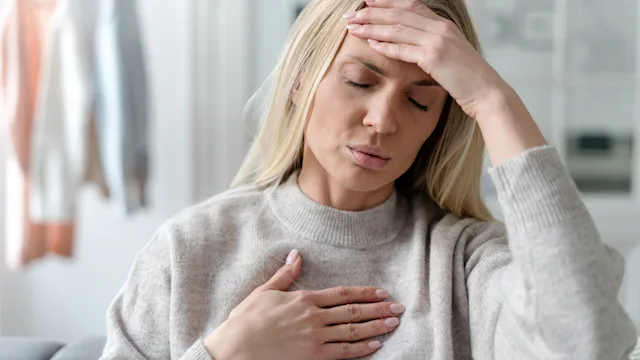
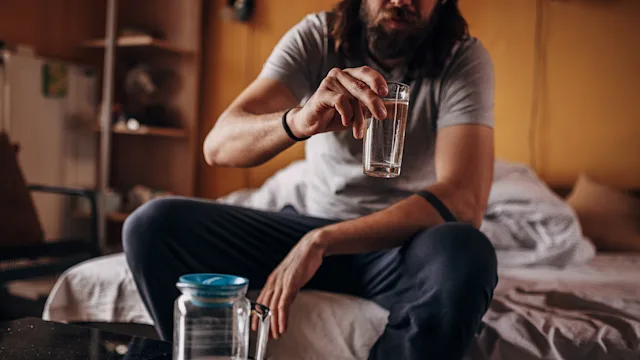
It’s no surprise that many people turn to a strong cocktail or a glass of wine when they’re feeling anxious or stressed. Anxiety makes your mind race, race, race, and alcohol helps you find calm, calm, calm. It’s an intuitive short-term remedy, yet relying on booze can backfire.
Many people with anxiety disorders or chronic stress will use alcohol to escape their troubling, panicky thoughts, but the problem is, this escape is only temporary. The anxiety may actually increase within a few hours of drinking due to everything going on in the central nervous system. That’s why you might feel more anxious the morning after heavy drinking.
References
Ackerman, K. (2023). How anxiety disorders and alcohol addiction are linked. American Addiction Centers.
Anxiety and Depression Association of America. (2022). Understanding disorders: what are anxiety and depression?
Anxiety and Depression Association of America. (2021). Social anxiety disorder and alcohol abuse.
Anxiety and Depression Association of America. (2021). Substance use disorders.
National Institute on Alcohol Abuse and Alcoholism. (2024). Understanding alcohol use disorder.
Lovinger, D. (1997). Serotonin’s role in alcohol’s effects on the brain. Alcohol Health & Research World:21(2);114-20.
Pacheco, D. (2024). Alcohol and sleep. National Sleep Foundation.
Smith, J, et al. (2012). Anxiety and alcohol use disorder. Alcohol Research;34(4):414-431.

Why trust our experts?


Search and compare options