Key takeaways:
Sleep hygiene means having good habits and practices that lead to better sleep.
Good sleep hygiene includes having a dark, cool, comfortable, and quiet sleep environment.
Diet and lifestyle habits impact sleep too. Try to avoid or limit caffeine, alcohol, smoking, and napping.
Making some simple changes to your daytime and evening routines can make a big difference in the quality of your sleep.
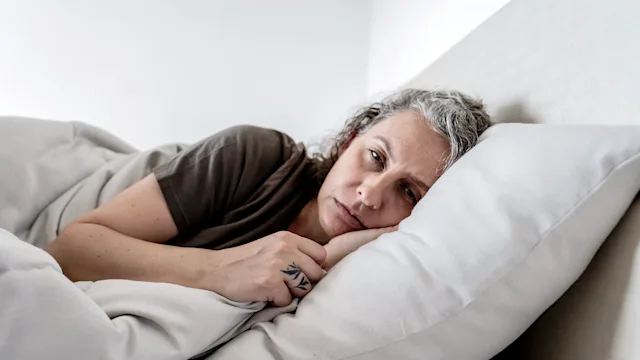
Everyone knows how important a good night’s sleep is. When you don’t sleep well, you can feel tired, irritable, and groggy the next day. And when this happens regularly, it can turn into a cycle of sleep anxiety that can be hard to break.
If you struggle to get regular, quality sleep, you’re not alone. Up to 40% of people report symptoms of insomnia at some point in a given year. Many factors play into how well you sleep, including your routines (or lack of them), diet, lifestyle, and physical activity.
But there’s a science to getting a good night’s sleep. It’s called “sleep hygiene.”
Search and compare options
What is sleep hygiene?
According to Lauren Broch, PhD, a psychologist at the Northwell Health Sleep Disorders Center, sleep hygiene is “a set of evidence-based principles that help people sleep better.” It refers to all the habits and behaviors that lead to high-quality sleep, including:
When you go to bed
What you do before bed
What you do in bed
How you set up your bedroom environment
But it’s not just what you do at bedtime that affects sleep, Broch said. Good sleep hygiene also includes daytime behaviors, like:
What you eat and drink
How you spend your waking hours
When or if you exercise
Sleep hygiene habits can improve your sleep by helping you:
Feel tired when you need to sleep
Fall asleep faster
Stay asleep throughout the night
And for many people, even small changes make a big difference.
17 sleep hygiene tips to improve your sleep
Tips for sleep hygiene fit into three main categories:
Schedule and routine
Sleep environment
Diet and lifestyle
We’ll go through each of these categories below and talk about some evidence-based, actionable steps you can take to improve your sleep hygiene in each of these categories.

Read more like this
Explore these related articles, suggested for readers like you.



Remember, everyone has unique needs and circadian clocks. And people need different amounts of sleep too. It’s a good idea to try out a few techniques and approaches as you figure out what works best for you.
Schedule and routine
When and how consistently you do certain activities makes a big difference. Here are some tips on scheduling:
Go to bed and wake up around the same time every day (yes, even on weekends!). The ideal sleeping pattern is one that lets you fall asleep quickly when you’re tired — and to wake up naturally, feeling refreshed.
Eat around the same time every day, with your last meal at least a few hours before your bedtime.
Try to exercise prior to 4 hours before bedtime.
Get outside in direct sunlight early in the day.
Try not to nap frequently or too late in the day.
Avoid screens (like phones, computers, tablets, and televisions) an hour or more before bedtime, since the blue light they emit can disrupt sleep.
Sleep environment
Here are some ways to optimize your sleep environment:
Make sure your bedroom is dark, and consider blackout curtains.
Encourage a quiet sleeping space. If there are high noise levels, a white noise machine can help.
Keep your bedroom cool, ideally between 60°F and 67°F.
Make sure your mattress and pillow are properly supportive.
Try not to use your bedroom for any activities that aren’t directly related to sleep and intimacy. Specifically, consider making your bedroom a tech-free zone.
Diet and lifestyle
The things you eat, drink, and do throughout the day also impact your sleep. Make an effort to do the following:
Avoid caffeine in the afternoon or evening. Try these natural ways to stay alert without caffeine.
Limit or avoid alcohol in the evening. While it might make you feel sleepy, even small amounts can disrupt your sleep.
Keep any nighttime snacks light, and try to limit liquids after dinner to reduce nighttime bathroom visits.
Avoid smoking, since this can also disrupt sleep.
Take steps to lower stress levels, like by using relaxation and mindfulness techniques.
Exercise regularly. And remember, morning exercise is better for sleep than evening exercise. But exercise at any time is better than none at all.
What are the benefits of sleep hygiene?
Having better quality sleep can give you more energy and more focus. You’ll likely also start to see improvements in your mood and mental health. Better sleep also has long-lasting physical health benefits. That’s because poor sleep increases the risk for health conditions like obesity, Type 2 diabetes, and heart disease. So, by improving sleep hygiene, you may improve your heart and metabolic health too.
Who should practice sleep hygiene?
You’re never too old or too young to practice good sleep hygiene. And, no matter how well you think you’re sleeping, paying attention to sleep hygiene is a good habit.
Sleep hygiene may be especially important for certain groups of people, including:
Children and teenagers: Getting good quality sleep is important for kids’ growth and development — as well as their mental health.
Shift workers: Working overnight can disrupt sleep, so setting healthy sleep habits and routines is especially important for people working night shifts.
People with chronic health conditions: There are links between disturbed sleep and metabolic health. Sleeping better can help you manage health conditions like Type 2 diabetes or high blood pressure.
People with mental health conditions: Sleep problems are also associated with mental health conditions, like depression or anxiety. So good sleep hygiene also plays a part in promoting good mental health.
Older adults: Older people often have difficulty falling and staying asleep. Better sleep can lead to better energy levels and cognitive (brain) function.
How do you stick to a sleep hygiene routine?
You’re on the right track if you’ve found some steps you can take to improve your sleep hygiene. Next, you’ll need to turn them into habits you can stick to.
Here are some tips to help you follow good sleep hygiene habits:
Start with small steps that feel manageable.
Set reminders (such as an alarm) for when to start your bedtime routine.
Track your progress in a journal or with a health tracker, like a sleep app.
Celebrate your improvements.
Find a partner to make changes with and to stay accountable together.
Troubleshooting
Tried all of the above and it’s still not working?
“The most common pitfall that people make is they spend too much time in bed awake, both before going to bed and after waking in the morning,” Broch said. Often, people use their phones or other electronic devices, and these can be damaging for a variety of reasons, she said.
If you’re finding it hard to make changes, or the changes you’re making aren’t improving your sleep, it may be time to talk with a healthcare professional. Broch recommends getting advice from an accredited sleep center, which is often affiliated with a hospital. Trained psychologists can also work with you on improving your sleep — sometimes using a type of cognitive behavioral therapy (CBT).
And you may need further testing. In some cases, an underlying sleep disorder or other medical condition might be affecting your sleep.
Frequently asked questions
One important way to improve your sleep habits is to focus on your schedule and routine, such as by keeping a consistent sleep and wake time each day. It’s also crucial to create a sleep environment that’s cool, dark, and quiet — and free of electronics. Finally, pay attention to your diet, since what — and when — you eat and drink throughout the day can affect your sleep.
Most adults should get 7 to 9 hours of sleep. The exact amount of sleep you need depends on your age, underlying medical conditions, and lifestyle, as well as your genetics. Sleep needs can also change as you get older. Signs you’re not getting enough sleep include nodding off during the day, feeling irritable, and having difficulty concentrating.
One important way to improve your sleep habits is to focus on your schedule and routine, such as by keeping a consistent sleep and wake time each day. It’s also crucial to create a sleep environment that’s cool, dark, and quiet — and free of electronics. Finally, pay attention to your diet, since what — and when — you eat and drink throughout the day can affect your sleep.
Most adults should get 7 to 9 hours of sleep. The exact amount of sleep you need depends on your age, underlying medical conditions, and lifestyle, as well as your genetics. Sleep needs can also change as you get older. Signs you’re not getting enough sleep include nodding off during the day, feeling irritable, and having difficulty concentrating.
The bottom line
Sleep hygiene refers to the healthy behaviors and habits that lead to better sleep. Sleep hygiene habits include setting a regular bedtime and wake time, adjusting your bedroom environment, and making certain diet and lifestyle adjustments. And you don’t need to overhaul all your habits. Small, sustainable changes can make a big difference when it comes to your sleep — and your long-term health.

Why trust our experts?




References
Alanazi, E. M., et al. (2023). Sleep hygiene practices and its impact on mental health and functional performance among adults in Tabuk city: A cross-sectional study. Cureus.
American Academy of Sleep Medicine. (n.d.). Sleep disorders.
Chasens, E. R., et al. (2021). Sleep and metabolic syndrome. The Nursing Clinics of North America.
de Menezes-Júnior, L. A. A., et al. (2025). The role of sunlight in sleep regulation: Analysis of morning, evening and late exposure. BMC Public Health.
e Silva, W. C. D. S., et al. (2022). Sleep quality of adult tobacco users: A systematic review of literature and meta-analysis. Sleep Epidemiology.
Ebben, M. R., et al. (2021). The effects of white noise on sleep and duration in individuals living in a high noise environment in New York City. Sleep Medicine.
Freeman, D., et al. (2020). Sleep disturbance and psychiatric disorders. The Lancet Psychiatry.
Gulia, K., K., et al. (2018). Sleep disorders in the elderly: A growing challenge. Psychogeriatrics.
Hernandez, A. F. J., et al. (2022). Sleep disturbances during shift work. Sleep Medicine Clinics.
Irish, L. A., et al. (2014). The role of sleep hygiene in promoting public health: A review of empirical evidence. Sleep Medicine Reviews.
Leota, J., et al. (2025). Dose-response relationship between evening exercise and sleep. Nature Communications.
Matricciani, L., et al. (2019). Children's sleep and health: A meta-review. Sleep Medicine Reviews.
Mograss, M., et al. (2022). The effects of napping on night-time sleep in healthy young adults. Journal of Sleep Research.
National Sleep Foundation. (2022). National Sleep Foundation’s Sleep in America poll.
Roth, T. (2019). Insomnia: Definition, prevalence, etiology, and consequences. Journal of Clinical Sleep Medicine.
Rusch, H. L., et al. (2018). The effect of mindfulness meditation on sleep quality: A systematic review and meta-analysis of randomized controlled trials. Annals of the New York Academy of Sciences.
Xie, Y., et al. (2021). Effects of exercise on sleep quality and insomnia in adults: A systematic review and meta-analysis of randomized controlled trials. Frontiers in Psychiatry.