Key takeaways:
Acupressure mats are covered with plastic spikes that apply pressure to specific points on your body.
More research is needed on the benefits of acupressure mats. But they may help relieve neck and back pain, headaches, and stress.
Most people can use acupressure mats safely. They’re inexpensive, noninvasive, and have minimal side effects.
If you’re dealing with back pain, headaches, or stress, an acupressure mat might help. Using an acupressure mat can be an effective and all-natural way to ease your symptoms from the comfort of your home. Instead of a practitioner using their hands to apply pressure to specific parts of your body, the mat does all the work.
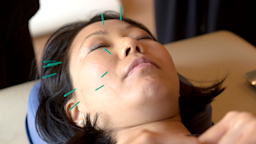
Acupressure is an offshoot of acupuncture, a therapy that originated in China over 3,000 years ago. Acupressure is less invasive than acupuncture — which involves thin needles. Instead, acupressure involves putting pressure on trigger points. Although the practice is ancient, acupressure mats are a more recent tool. And using one could help you in a variety of ways.
What is an acupressure mat?
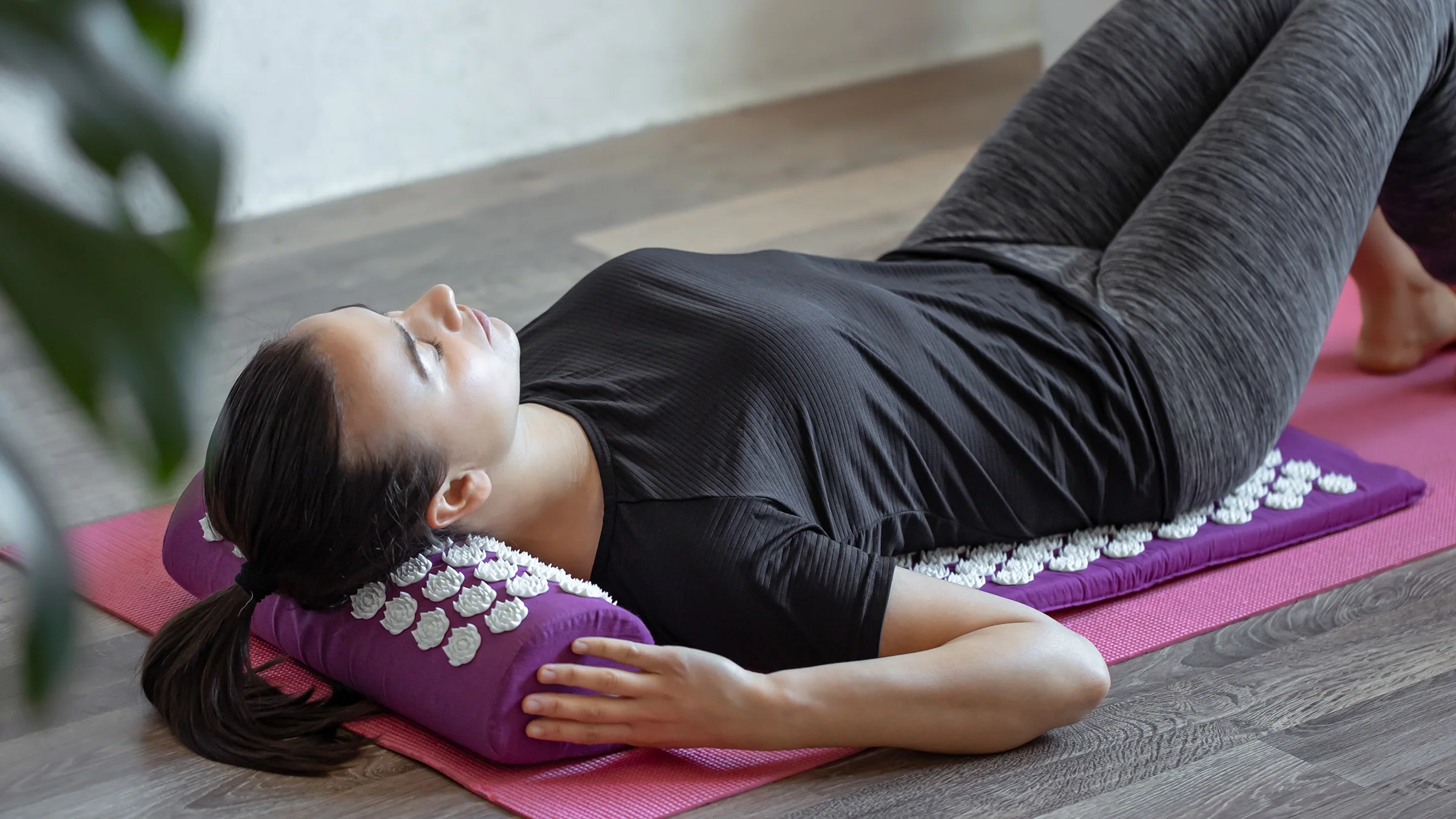
An acupressure mat (also called a spike mat or needle stimulation pad) is a pad that’s covered with spikes made of plastic. They’re made to press into the skin without puncturing it. You can sit, stand, or lie on an acupressure mat, depending on your intended use.
Search and compare options
The concept is simple: The mat applies pressure to specific points on the body called meridians, pressure points, or acupoints. It works the same way that acupressure or acupuncture does.
According to traditional Chinese medicine, applying pressure to these points helps diffuse blocked meridians, restores balance, and relieves pain. Research suggests that putting pressure on these points also boosts circulation, eases muscle tension, and stimulates endorphins to help relieve pain.
The mats come in different sizes to fit your needs. You can lay your entire body on larger mats. And you can use smaller mats directly on painful areas, such as your neck or feet. You don't need a prescription to get an acupressure mat. You can simply buy one online or at one of the many retail or wellness chains that carry them.
What are the benefits of using acupressure mats?
Acupressure mats are noninvasive, because they don’t pierce the skin. They’re inexpensive, convenient tools with few potential side effects. There are many studies on the benefits of acupressure and acupuncture for various conditions and symptoms. But more research is needed on acupressure mats.
Some of the potential benefits are the same as what you might experience with traditional acupressure, since the mats mimic the technique. Keep in mind that an acupuncture professional can target a specific problem area, whereas a mat treats several points or a much broader area at once.
Let's look at six potential benefits of using acupressure mats and find out what experts say about their effectiveness.
1. Eases muscle tension and promotes relaxation
One small study found that participants who used acupressure mats had signs of greater circulation in their backs, which could help alleviate muscle tension. Participants who used the mats were also more relaxed, with lower heart rates and slower breathing.
2. Relieves neck and back pain
Less muscle tension could mean fewer aches and pains. In small studies, acupressure mats have been shown to lessen chronic neck and lower back pain. There’s more research on auricular acupressure — which targets pressure points in the ears — for back pain relief. So there’s a need for more extensive research when it comes to acupressure mats.
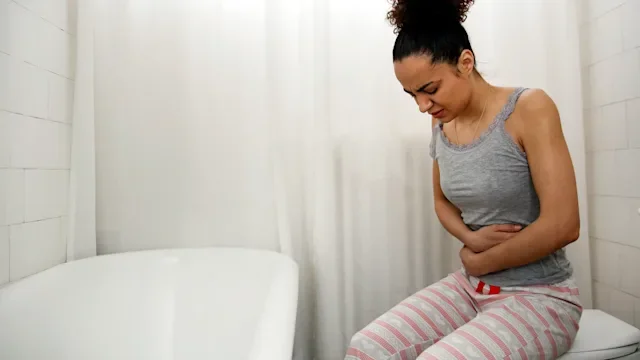
3. Reduces menstrual pain
There haven’t been any studies on acupressure mats for menstrual pain. But studies have found potential benefits with acupressure.

Read more like this
Explore these related articles, suggested for readers like you.


One study examined how 10 minutes of acupressure on trigger points in the hands and feet affected menstrual cramps. It found that participants had less pain, fewer medication needs, and fewer school absences. But larger studies suggest auricular acupressure works best for menstrual pain when combined with pain relievers. It’s less effective on its own.
4. Alleviates chronic headaches
Acupressure therapy helps increase blood flow to tissues, which can also reduce the activity of trigger points that cause pain in tension-type headaches. One small study found that using acupressure on trigger points around the head and back of the neck reduced chronic headaches better than muscle relaxants.
But acupressure may not work for all types of headache, as research suggests acupressure may not be as effective for migraine relief.
5. Helps depression, anxiety, and stress
Could lying on an acupressure mat improve your mental health? Possibly. Multiple studies have looked at the effects of acupressure on depression, anxiety, and stress.
Larger-scale studies have also found that acupressure mats may help with mild-to-moderate depression symptoms. In other studies, the mats have been shown to lower stress and anxiety in hemodialysis patients.
6. Reduces fatigue
Acupressure may help limit fatigue, or extreme tiredness. Small studies suggest that acupuncture might help improve fatigue levels in people with chronic fatigue syndrome, multiple sclerosis, and cancer. But more studies are needed to confirm these findings.
Who can use an acupressure mat?
Most people can use acupressure mats. But there can be some risks, so certain people should avoid using them or take caution to avoid piercing their skin. This includes people with:
Thin skin
Open wounds
Bleeding disorders
Poor circulation
If you’re pregnant, talk to your primary care provider before using an acupressure mat.
How to use an acupressure mat
Once you know it's safe to use an acupressure mat, you should be good to go. Most acupressure mats look like small yoga mats with spikes. And some come with a rounded cervical pillow for your neck.
Here are some suggestions on how to use your acupressure mat if you’re just starting out:
Spread your mat out on the floor or a bed where you can comfortably lie down. Or you can lay it over a chair and sit on it.
You may want to wear a lightweight T-shirt at first to get accustomed to the feeling. You could also use a thin sheet as a layer between you and the mat.
Slowly sit or lie down on the mat, keeping your weight evenly distributed. Try to stay still.
If you feel pain or discomfort, know that it should go away quickly.
Take slow, deep breaths and try to relax.
Start with 5 to 10 minutes at a time.
After you get accustomed to the mat, remove your shirt or the sheet. Bare skin provides the best results.
As mentioned above, you may want to target pressure points in your feet, depending on your goal. Here are some tips for standing on your mat:
You can start with socks and work up to bare feet.
Stand still on the mat.
You can also sit down in a chair and place your feet on the mat to start.
Start with 5 minutes and work your way up.
How to pick the best acupressure mat
The best acupressure mat for you can depend on why you’re shopping for one and how much you want to spend. When buying an acupressure mat, keep in mind the following factors:
Size: There are several options, depending on which part of the body you want to target. If you’re planning to rest your entire body on the mat, make sure it’s long enough.
Spikes: The spikes should be well-made and able to withstand pressure without breaking or bending. Many mats also vary in the number of spikes they have, with more spikes for beginners and fewer for those who are more advanced. The more spikes on a mat, the more your weight is distributed for less discomfort.
Material: You’ll find mats made from eco-friendly materials like organic cotton, as well as mats made from synthetic materials. Choose a mat that’s durable, comfortable, and within your price range. Be mindful of any skin allergies when searching for the right mat, as well.
Features: Some mats have a cervical roll or pillow. This allows the spikes to work on the nape of your neck and base of your skull, which can be helpful for some types of headaches. You can also find mats with acupressure pads for your feet.
Price: The price of acupressure mats varies by material. Organic or eco-friendly materials will cost more than synthetic. It also depends on the spike quality and any extras that come with the mat, such as a carrying case, cervical roll, or warranty.
Frequently asked questions
Auricular acupressure has been studied as a way to assist with weight loss. Studies are mixed, and it doesn’t seem to affect waist circumference. So it’s unlikely that acupressure would reduce belly fat. It’s difficult to target specific areas of the body with fat loss.
The evidence isn’t robust, so it’s hard to say if or how well acupressure mats work. It also depends on why you’re using acupressure mats. That said, as long as you don’t have a medical condition that would make using one unsafe, there’s no harm in trying.
Unless you have certain health conditions (see above), everyday use of an acupressure mat should be safe. But you might not want to use it every day at first, depending on your comfort level. Consider gradually increasing your time on the mat.
Auricular acupressure has been studied as a way to assist with weight loss. Studies are mixed, and it doesn’t seem to affect waist circumference. So it’s unlikely that acupressure would reduce belly fat. It’s difficult to target specific areas of the body with fat loss.
The evidence isn’t robust, so it’s hard to say if or how well acupressure mats work. It also depends on why you’re using acupressure mats. That said, as long as you don’t have a medical condition that would make using one unsafe, there’s no harm in trying.
Unless you have certain health conditions (see above), everyday use of an acupressure mat should be safe. But you might not want to use it every day at first, depending on your comfort level. Consider gradually increasing your time on the mat.
The bottom line
Acupressure mats allow you to get the benefits of acupressure from home. They’re easy to use, noninvasive (unlike acupuncture), and have few potential side effects. Although more research is needed, using an acupressure mat may help relieve pain, muscle tension, and stress. And it might even help you sleep better. While it may not work for everyone, using an acupressure mat is a good choice for those looking for an alternative approach to health and wellness.

Why trust our experts?




References
Asadizeidabadi, A., et al. (2024). Effect of acupressure on migraine: A systematic review and meta-analysis. Advances in Traditional Medicine.
Doğan, M. D. (2024). The effect of acupressure on fatigue in cancer patients: A meta-analysis study. Indian Journal of Palliative Care.
Fleming, A. (2026). The spikiness secret: Can acupressure mats help with pain, stress and insomnia? The Guardian.
Hao, J. J., et al. (2014). Acupuncture: Past, present, and future. Global Advances in Health and Medicine.
Hmwe, N. T. T., et al. (2015). The effects of acupressure on depression, anxiety and stress in patients with hemodialysis: A randomized controlled trial. International Journal of Nursing Studies.
Hsieh, L. L. C., et al. (2010). Effect of acupressure and trigger points in treating headache: A randomized controlled trial. American Journal of Chinese Medicine.
Kirca, A. S., et al. (2022). The effect of acupressure on menstrual pain. International Journal of Traditional and Complementary Medicine Research.
Kong, X., et al. (2023). Effects of auricular acupressure on dysmenorrhea: A systematic review and meta-analysis of randomized controlled trials. Frontiers in Endocrinology.
Kurç, D., et al. (2025). The effect of acupressure on fatigue in individuals with chronic fatigue syndrome. Explore.
Kwon, C-Y., et al. (2018). Clinical effects of acupressure on neck pain syndrome (nakchim): A systematic review. Integrative Medicine Research.
Li, T., et al. (2021). Clinical efficacy and safety of acupressure on low back pain: A systematic review and meta-analysis. Evidence-Based Complementary and Alternative Medicine.
Lin, J., et al. (2022). Impacts of acupressure treatment on depression: A systematic review and meta-analysis. World Journal of Psychiatry.
Lin, W. C., et al. (2015). The anti-inflammatory actions of auricular point acupressure for chronic low back pain. Evidence-Based Complementary and Alternative Medicine.
Liu, Y., et al. (2025). Targeting mental health: A scoping review of acupoints selection in acupressure for depression, anxiety, and stress. Brain Behavior and Immunity Integrative.
Mehta, P., et al. (2017). Contemporary acupressure therapy: Adroit cure for painless recovery of therapeutic ailments. Journal of Traditional and Complementary Medicine.
Olsson, E. M. G., et al. (2011). Relaxing on a bed of nails: An exploratory study of the effects on the autonomic, cardiovascular, and respiratory systems, and saliva cortisol. Journal of Alternative and Complementary Medicine.