



Vuity vs. Qlosi: 6 Similarities and Differences Between These Presbyopia Eye Drops
Vuity and Qlosi are eye drops used to treat presbyopia. Learn about the similarities and differences between these two presbyopia eye drops with GoodRx.
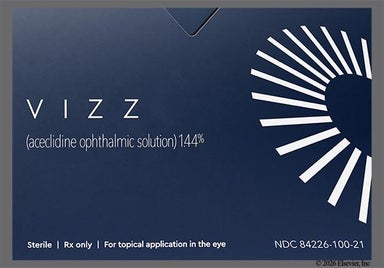
Vizz (aceclidine) is a prescription eye drop used to treat adults with presbyopia, also known as age-related farsightedness. It belongs to a group drug class called cholinergic agonists. The medication works by making your pupil smaller, which helps you focus on objects up close. You'll usually put the drops in each eye once a day. Common side effects include eye irritation, dim vision, and headache.

Vizz (aceclidine) is a cholinergic agonist. It works by tightening a muscle in your eye called the iris sphincter muscle, which reduces the size of your pupil. This makes it easier to see nearby objects more clearly.
| Common Brands | Vizz |
|---|---|
| Drug Class | Cholinergic agonist |
| Controlled Substance Classification | Not a controlled medication |
| Generic Status | No lower-cost generic available |
| Availability | Prescription only |

The following side effects may get better over time as your body gets used to the medication. Let your healthcare provider know immediately if you continue to experience these symptoms or if they worsen over time.
Contact your healthcare provider immediately if you experience any of the following.
Side effects that you should report to your care team as soon as possible:
Side effects that usually do not require medical attention (report these to your care team if they continue or are bothersome):




Vizz (aceclidine) can cause some serious health issues. This risk may be even higher for certain groups. If this worries you, talk to your doctor or pharmacist about other options.
Vizz (aceclidine) can cause temporary blurred, dark, or dim vision. This can make it harder for you to see at night. Avoid driving or doing anything that could be dangerous until your vision becomes clear again.
Though rare, Vizz (aceclidine) has been linked to retinal tear or retinal detachment, especially in people who already have eye conditions. These are serious eye problems which need to be treated. Get medical help right away if you see flashes of light, notice new floaters, or have vision loss.
Vizz (aceclidine) can make a certain type of eye inflammation worse if you have a history of iritis. Tell your prescriber if your eyes become red, painful, or sensitive to light, or if you notice blurry vision.
Remove your contact lenses before using Vizz (aceclidine). Wait at least 10 minutes after putting in the drops before putting your lenses back in.
Be careful not to let the Vizz (aceclidine) vial touch your eye or anything else. This helps you avoid eye injury. It also helps prevent the medication from getting contaminated with germs, which stops you from getting eye infections.


Prescription savings
Stop paying too much for your prescriptions. Compare prices, get pharmacy coupons, and save up to 80%. Find expert answers to your health questions so you can make the best decisions for yourself and your family.
Health conditions
Medications & treatment
Access & affordability
Medication discounts


Vizz is available with a prescription. Your optometrist can send the prescription to a specialty pharmacy for home delivery, or you can choose to pick it up at your local pharmacy.
Vizz starts working within 30 minutes for most people. During this time, you should start to see objects that are up close-up more clearly.
In studies, some people noticed clearer near vision with Vizz for up to 10 hours. Everyone’s eyes respond differently, so the effects might be shorter or longer for you.
Yes, you can wear contact lenses with Vizz, but you’ll need to remove them before using the drops. Wait at least 10 minutes before putting your contacts back in.
