What Is Presbyopia? Causes, Symptoms, and Treatments
Comprehensive information for you or a loved one — including treatment options and discounts on popular medications.

Presbyopia is a condition that affects your vision. It affects your ability to focus on objects that are up close. Over time, the lens of your eye becomes less flexible. This makes it harder to change focus when looking at things close up. People start to develop presbyopia in their early to mid-40s. Presbyopia can get worse over time but usually stabilizes in the mid to late 60s.


Presbyopia develops as you get older. It’s a natural response to lens aging.
The lens is a cushion-shaped organ that sits behind your pupil.

When you focus on something nearby, muscles inside your eye bend the lens from a flat-ish cushion into a fatter one. The fatter the lens, the closer you can focus. This rounding-out of the lens to focus is called accommodation. This is what allows you to shift your visual focus to see things up close so you can read or work at a computer.
Children’s lenses are soft and flexible. A child can shift their focus from far to near (accommodate) without any effort at all. The lens stiffens as you get older, making it harder to shift your focus.
Presbyopia makes it difficult to focus up close. You might notice:
Trouble reading fine print
Difficulty seeing small details when you hold something near to you
When presbyopia starts to impact you, you’ll naturally begin to move objects farther away to see them clearly. This can cause frustration because small details are difficult to see from a distance. For example, you might need to hold your phone at arm’s length to focus, but then find you have trouble reading small text from that far away.
Since presbyopia begins gradually and gets worse slowly over time, it’s common for people not to notice it at first. Sometimes, it takes an astute family member or friend to recognize what’s going on.
In addition to difficulty seeing up close, presbyopia can cause:
A feeling of eye fatigue
Headaches
Presbyopia doesn’t cause eye pain, redness, spots, or “holes” in your vision. Seek medical care right away if you develop these symptoms. They can be signs of other serious eye conditions.
Compare prices and information on the most popular Presbyopia medications.
Nearly everyone develops presbyopia eventually. An eye doctor, like an optometrist or ophthalmologist, can diagnose presbyopia during a complete eye examination.
During an eye exam, your eye doctor can also check you for other eye conditions like:
These eye conditions also develop as people get older and can affect vision. A complete eye exam is the best way to figure out what’s causing changes in your vision and to find the right treatment.
There are several treatment options for presbyopia including specialized lenses, surgery, and eye drops.
Specialized lenses are the most straightforward way to treat presbyopia for most people. These include:
Reading glasses
Bifocal or progressive (no-line bifocal) glasses
Bifocal or multifocal contact lenses
If you also have cataracts and need cataract surgery, you’ll have other choices. During cataract surgery, your natural lens is removed and replaced with an artificial one. Some of these intraocular lenses are designed to treat presbyopia.
Clear lens exchange, also called refractive lens exchange, is a similar procedure for people without cataracts. It switches your natural lens for an artificial one that corrects presbyopia.
Laser surgery, such as LASIK, is sometimes used for presbyopia but may not always be the best choice. For one thing, LASIK changes the shape of your cornea, not your lens. So, it won’t stop presbyopia from making your vision worse over time. Some people choose to have LASIK surgery to treat presbyopia in one eye only (monovision).
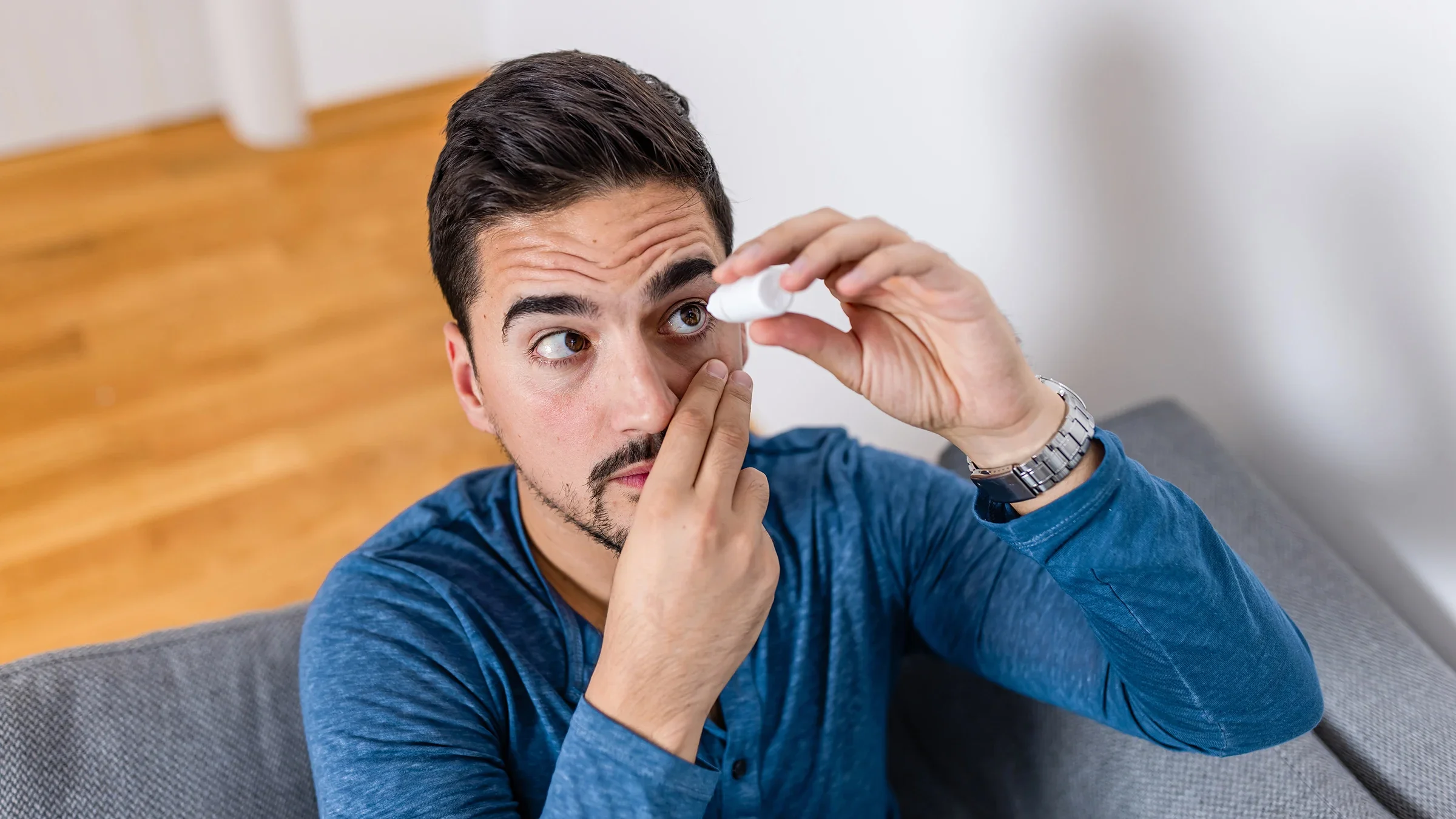
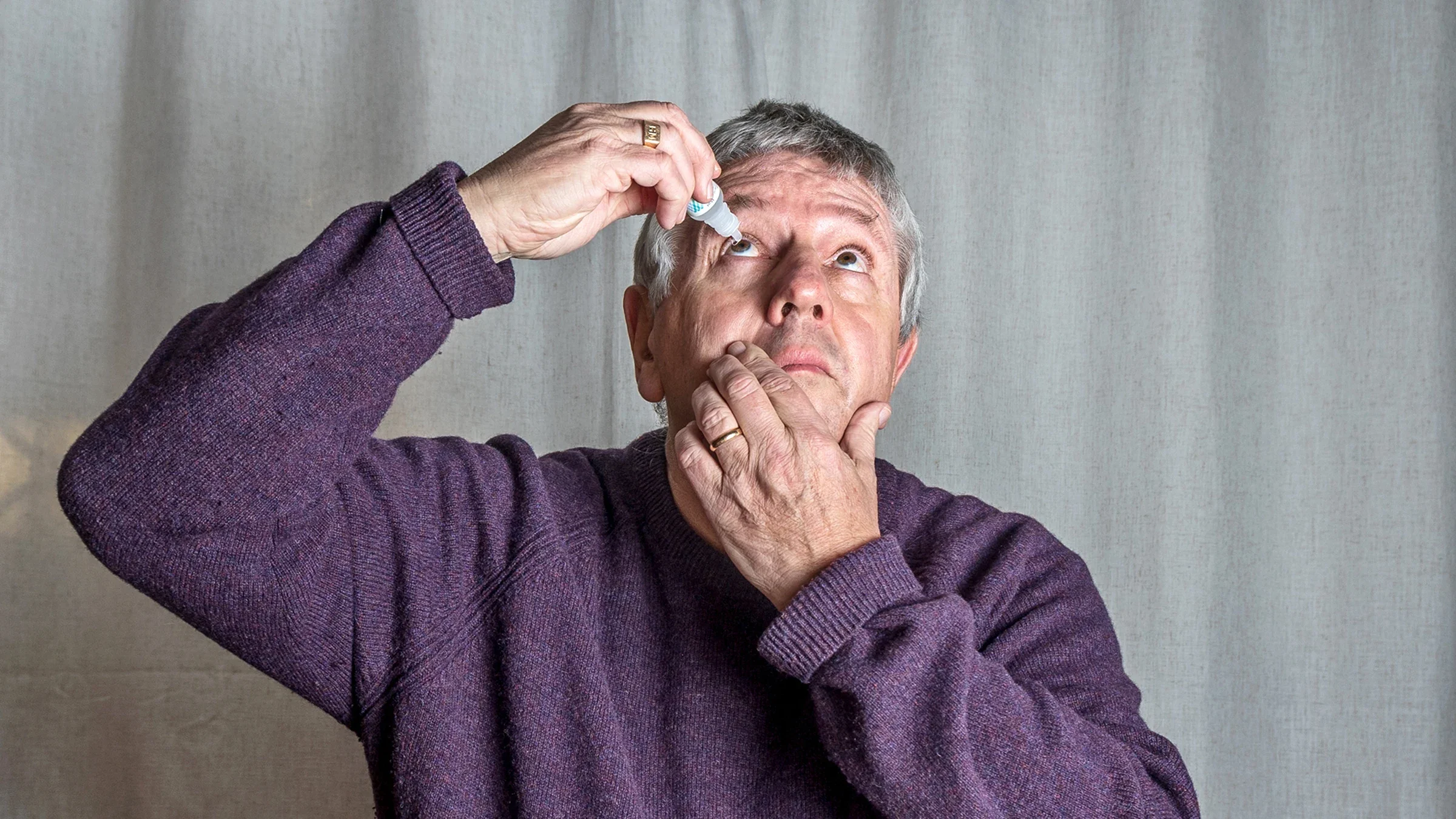
Eye drops that keep your lenses soft are another option for some people. There are several FDA-approved options including:
Vuity (pilocarpine hydrochloride)
Qlosi (pilocarpine hydrochloride)
Vizz (aceclidine)
Eye drops won’t reverse presbyopia or slow it down. They also can’t help with other age-related eye problems like cataracts. But they can reduce your need for glasses or contacts temporarily.
Right now, there isn’t a great way to slow down or stop presbyopia. In the future, medications like eye drops or injections might help keep your lenses soft.
Right now, there isn’t a great way to slow down or stop presbyopia. In the future, medications like eye drops or injections might help keep your lenses soft.
No, presbyopia won’t fix myopia (nearsightedness). People who are nearsighted or farsighted usually end up needing glasses, contacts, or surgery to deal with the effects of presbyopia.
Nearsighted people have too much focusing power in their eyes. They wear glasses or contacts to turn down their focus and see clearly into the distance. As presbyopia kicks in, they’ll take off their glasses — or use readers — to get some focus power back when they want to see up close.
Presbyopia happens because your lenses get stiff over time. Cataracts happen because your lenses get cloudy over time. Both conditions happen gradually and can affect your vision as you get older.
That said, there isn’t a direct link between presbyopia and cataracts. Most people notice presbyopia in their 40s. Cataracts can happen at any age but are more common as you get older.
American Optometric Association. (n.d.). Adult vision: 41 to 60 years of age.
Grzybowski, A., et al. (2020). A review of pharmacological presbyopia treatment. Asia Pacific Academy of Ophthalmology.

Prescription savings
Stop paying too much for your prescriptions. Compare prices, get pharmacy coupons, and save up to 80%.Resources
About GoodRx
 Find expert answers to your health questions so you can make the best decisions for yourself and your family.
Health conditions
Medications & treatment
Access & affordability
Well-being
Medication discounts