VIDEO CENTER
Shingles
Shingles is an infection caused by the same virus that causes chickenpox, and it can be very painful. The shingles vaccine can help reduce the risk of shingles and its long-term complications.

Early detection of shingles can lead to better treatment outcomes. The CDC states that the best time to start antiviral treatments for shingles is “as soon as possible after the rash appears.”
One challenge is that many conditions can cause rashes, and some rashes are not a big deal. That’s why it’s helpful to be able to distinguish between a shingles rash and other types of rashes.
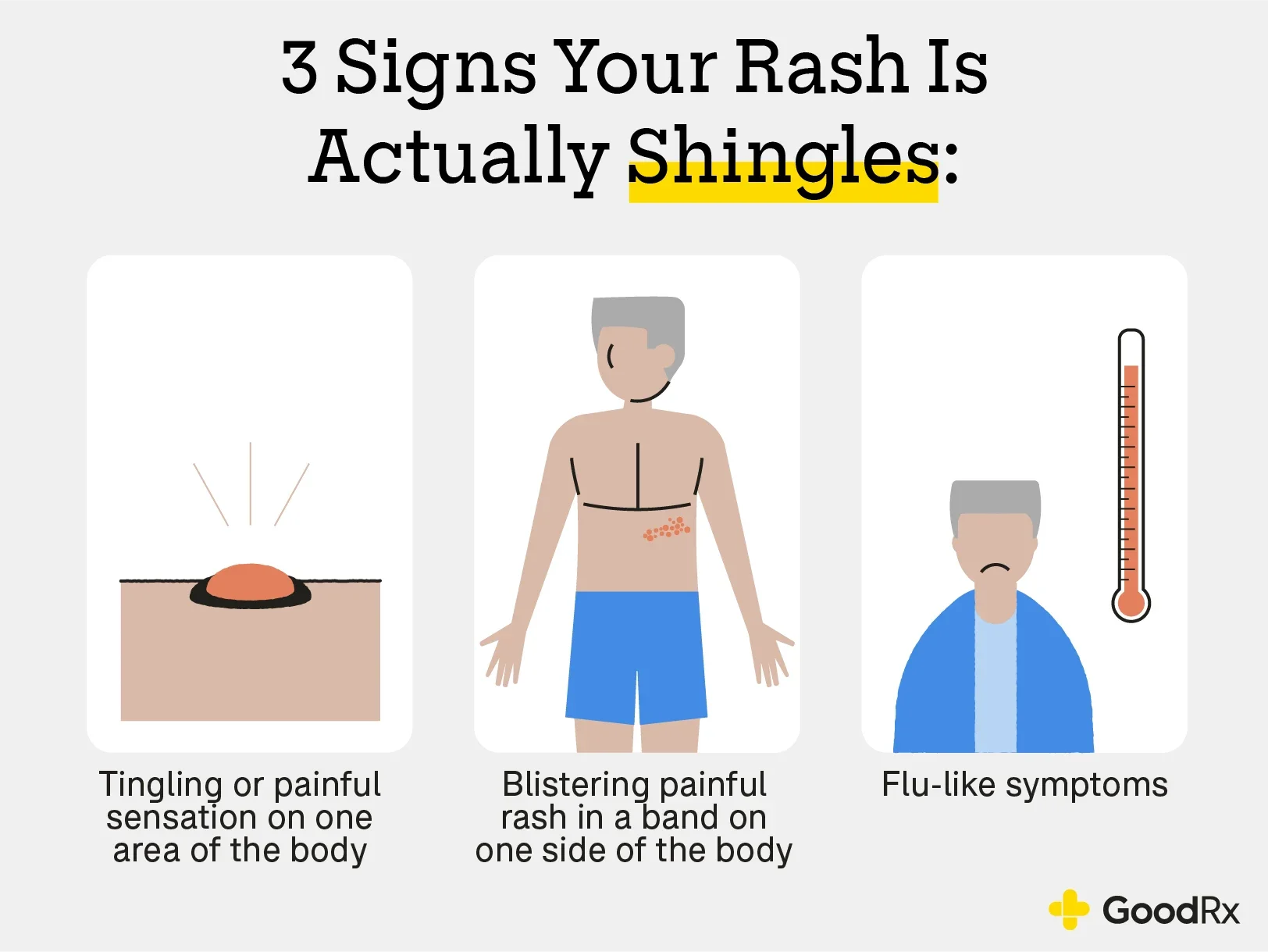
There are three key ways to recognize shingles.
“Before the rash, some people notice a tingling or a painful sensation, right in an area that's on one side of your body,” says Peter DeMarco, MD, Family Medicine Physician at Columbia University Irving Medical Center.
This tingling is usually where the rash later appears.
Some rashes are only cosmetic, and others may itch. One of the things that makes the shingles rash unique is that it is often very painful. It can sometimes be itchy as well.
A shingles rash also appears in a stripe-shaped cluster of blistering bumps. The shingles rash is generally on one side of the torso, abdomen, shoulder, back, or face.
The blisters usually scab over after about a week, but it may take weeks or months for the rash to fully clear up.
Like with other viral infections, shingles sometimes comes with flu-like symptoms, such as fever, chills, headache, or upset stomach. This is less common and many people only experience the rash.
“If you notice the rash [that] you're worried about becoming shingles, the most important thing would be to go see your primary care doctor to see if that's what it is,” says Dr. DeMarco, “and if so, what to do about it.”
This information is for informational purposes only and is not meant to be a substitute for professional medical advice, diagnosis or treatment. GoodRx is not offering advice, recommending or endorsing any specific prescription drug, pharmacy or other information on the site. GoodRx provides no warranty for any information. Please seek medical advice before starting, changing or terminating any medical treatment.
Prescription savings
Stop paying too much for your prescriptions. Compare prices, get pharmacy coupons, and save up to 80%.Resources
About GoodRx
 Find expert answers to your health questions so you can make the best decisions for yourself and your family.
Health conditions
Medications & treatment
Access & affordability
Well-being
Medication discounts


