VIDEO CENTER
Major Depressive Disorder
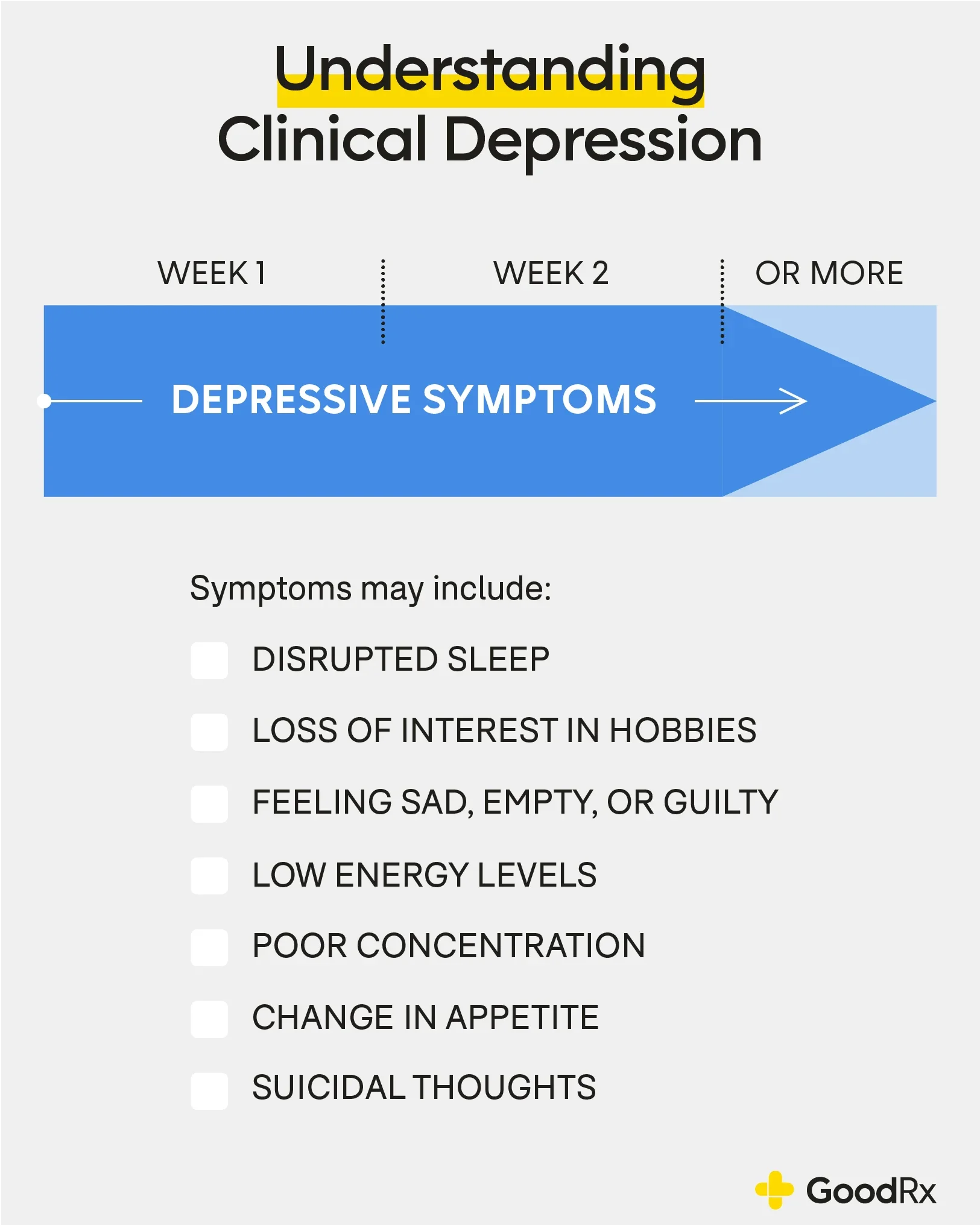
Major depressive disorder is also known as clinical depression. It refers to having low mood, energy, and functioning for at least two weeks.

Clinical Depression is diagnosed when someone experiences depressive symptoms for two weeks or more. This sets the difference between depression and occasional feelings of sadness that one might experience every so often. Psychiatrist, Dr. Susan Samuels, explains what exactly is depression and what the symptoms might be.
The symptoms of depression include disrupted sleep, decreased level of interest, excessive sense of guilt, low energy levels, poor concentration, change in appetite, and suicidal thoughts.
What happens in the brain when someone is depressed? Depression is thought to be caused by an imbalance in the neurotransmitters serotonin, norepinephrine, and dopamine. Neurotransmitters are naturally produced chemicals in the brain that are involved in sleep, mood, and anxiety. When people are depressed, their brain is not effectively using these neurotransmitters.
This information is for informational purposes only and is not meant to be a substitute for professional medical advice, diagnosis or treatment. GoodRx is not offering advice, recommending or endorsing any specific prescription drug, pharmacy or other information on the site. GoodRx provides no warranty for any information. Please seek medical advice before starting, changing or terminating any medical treatment.
Prescription savings
Stop paying too much for your prescriptions. Compare prices, get pharmacy coupons, and save up to 80%.Resources
About GoodRx
 Find expert answers to your health questions so you can make the best decisions for yourself and your family.
Health conditions
Medications & treatment
Access & affordability
Well-being
Medication discounts


