VIDEO CENTER
Anemia
Anemia is a condition in which there is low red blood cell count in the body.

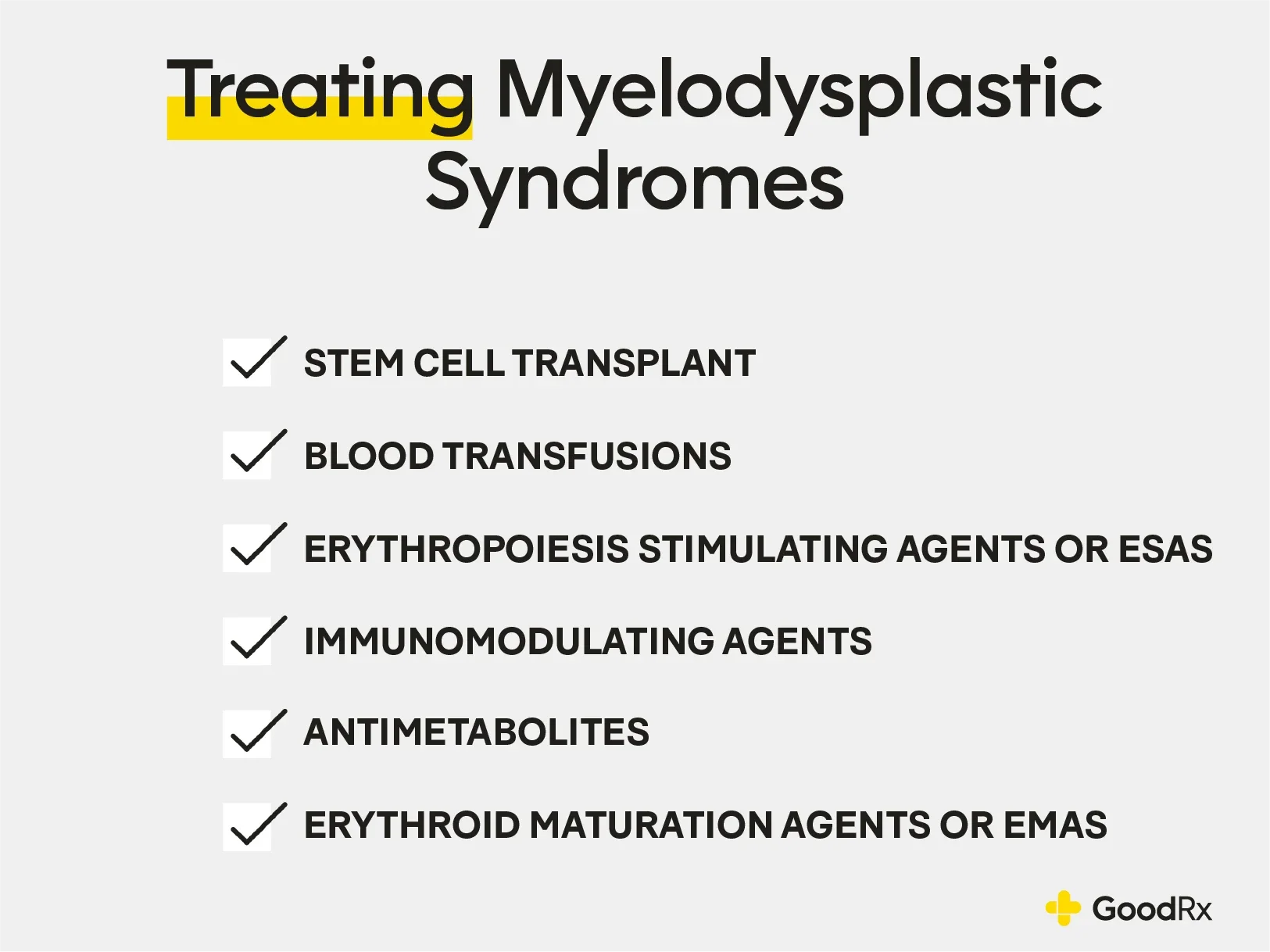
Erythroid maturation agents, or EMAs, are a newer treatment option for beta thalassemia. The first EMA for beta thalassemia received FDA approval in November 2019.
Historically, one primary treatment for beta thalassemia has been administering blood transfusions. Transfusions typically help increase the red blood cell count, which may then improve symptoms of anemia and quality of life.
While blood transfusions can be helpful, some people need them frequently. This can be time consuming, and it may also come with risks. Frequent blood transfusions increase the risk of iron overload, which is when the red blood cells have excess iron, among other issues. Iron overload can damage the organs, including the liver.
EMAs work by helping abnormal stem cells mature into healthy red blood cells. This helps improve your blood cell counts and can reduce symptoms of anemia.
This can help reduce the number of blood transfusions someone may need, which may also lessen the risk of transfusion complications.
“EMAs are administered as an injection under the skin that can be given in the [abdomen], the arm, or the leg,” says Jonathan Feld, MD, Hematology Specialist at The Mount Sinai Hospital in New York City.
Not everyone with beta thalassemia is a candidate for EMAs. “Talk to your hematologist to understand if EMAs are right for you,” says Dr. Feld.
This information is for informational purposes only and is not meant to be a substitute for professional medical advice, diagnosis or treatment. GoodRx is not offering advice, recommending or endorsing any specific prescription drug, pharmacy or other information on the site. GoodRx provides no warranty for any information. Please seek medical advice before starting, changing or terminating any medical treatment.
Prescription savings
Stop paying too much for your prescriptions. Compare prices, get pharmacy coupons, and save up to 80%.Resources
About GoodRx
 Find expert answers to your health questions so you can make the best decisions for yourself and your family.
Health conditions
Medications & treatment
Access & affordability
Well-being
Medication discounts