VIDEO CENTER
Anemia
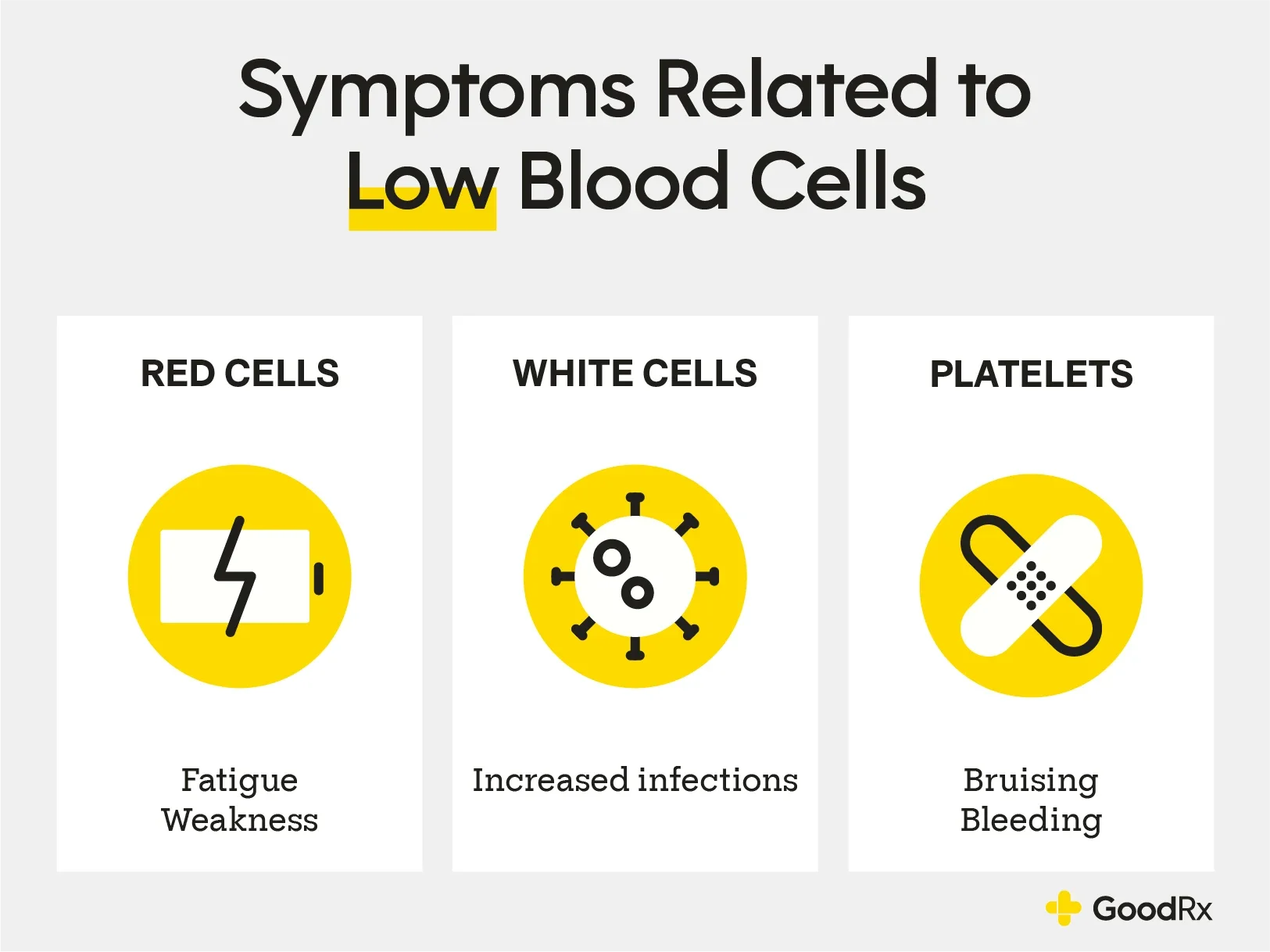
Anemia is a condition in which there is low red blood cell count in the body.

Getting through treatment for blood cancer can feel overwhelming, scary, or like things are out of your control. Despite feeling like there’s nothing you can do to support your treatment, your role in taking care of yourself and your needs plays a big part in the process.
Taking an active role in your well-being during cancer treatment has several benefits, according to a 2011 article by researchers at Yale University School of Nursing. Such benefits include improved quality of life, better treatment outcome, more confidence about treatment and procedures, less distress about symptoms and side effects, and in some cases, even improvements in fatigue, pain, and nausea.
Here are the specific self-care tips can help you cope with blood cancer treatment and potentially improve your treatment outcome.
You can also consider getting support from a professional therapist or counselor, or through a support group. In some cases, you may have to ask loved ones for the support. You might worry that you are “burdening” them, but you probably don’t need to fear that: Most people want to help, but just aren’t sure how. “I do often tell patients and their families that they are on this journey of wellness together,” says Ruthee-lu Bayer, MD, director of stem cell transplantation at Northwell Health.
If something feels wrong or uncomfortable, don’t accept it as part of the process. Voice your fears, concerns, and problems. In some cases, doctors may be able to to adjust their approach or offer guidance to give you the best care.
Whether talking to your doctor or significant other, don’t be afraid to express the things you need, or to ask questions to get more information. “Patients should understand their diagnosis, they should understand the treatment for their diagnosis, [and they] should understand what support groups may be available to them,” says Dr. Bayer.
Like most treatments, cancer therapies can cause side effects. That’s unavoidable in some cases; however, it doesn’t mean you have to grin and bear it. With every part of treatment, you should know what side effects to expect and tips to cope with them, such as with ibuprofen or anti-nausea medication.
While specific foods can neither cause nor cure cancer, a eating a nutritious diet and maintaining a healthy weight is linked to better tolerance of side effects, according to Leukemia & Lymphoma Society.
One reason for this is that a healthy diet can help the body replace blood cells and tissues that are damaged during treatment. Plus, a nutritious diet boosts the immune system, which can help reduce the risk for additional diseases and complications.
The same nutrition guidelines for all Americans are ideal for cancer patients and survivors as well: eating fruits, vegetables, whole grains, and lean proteins, and limiting saturated fat, sugar, and sodium.
A nutritious diet is one aspect of a healthy lifestyle. Other important aspects to support your body during treatment include maintaining a healthy weight, exercise, stress management, getting enough sleep, and not smoking or abusing alcohol and other drugs.
This information is for informational purposes only and is not meant to be a substitute for professional medical advice, diagnosis or treatment. GoodRx is not offering advice, recommending or endorsing any specific prescription drug, pharmacy or other information on the site. GoodRx provides no warranty for any information. Please seek medical advice before starting, changing or terminating any medical treatment.
Prescription savings
Stop paying too much for your prescriptions. Compare prices, get pharmacy coupons, and save up to 80%.Resources
About GoodRx
 Find expert answers to your health questions so you can make the best decisions for yourself and your family.
Health conditions
Medications & treatment
Access & affordability
Well-being
Medication discounts


