



11 Medications You Should Take on an Empty Stomach
Discover the 11 meds best taken on an empty stomach for optimal efficacy. Get the facts on dosage and timing with GoodRx.
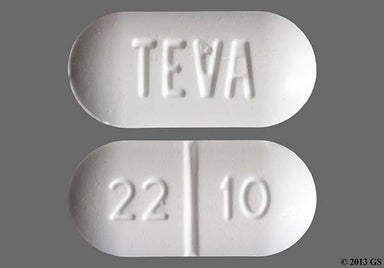
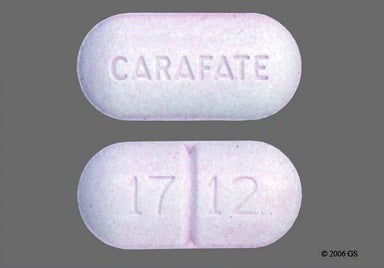
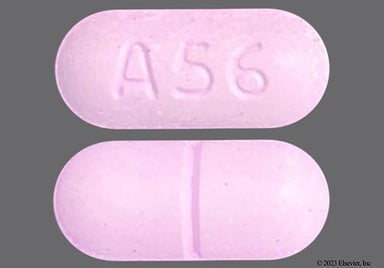
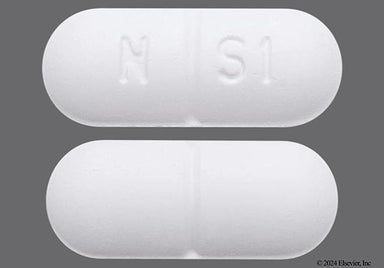
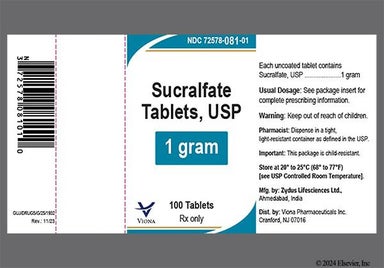
Sucralfate (Carafate) is a prescription ulcer medication. It treats ulcers in the intestine (duodenal ulcers) in adults. Sucralfate (Carafate) is a protectant; the medication works directly at the site of the ulcer to protect it so it can heal. Although the medication helps ulcers heal, it isn't used to prevent future ulcers. Sucralfate (Carafate) comes in an oral suspension and tablets that are available as brand-name and generic versions. It's taken by mouth up to 4 times per day and it doesn't have many side effects since very little is absorbed from the gut.

Sucralfate (Carafate) is an antiulcer medication. It forms a layer that lines the stomach and small intestine. This layer acts as a protective barrier around the ulcer (open sore) to prevent further damage and to let it heal.
| Common Brands | Carafate |
|---|---|
| Drug Class | Antiulcer |
| Controlled Substance Classification | Not a controlled medication |
| Generic Status | Lower-cost generic available |
| Availability | Prescription only |

The following side effects may get better over time as your body gets used to the medication. Let your healthcare provider know immediately if you continue to experience these symptoms or if they worsen over time.
Along with its needed effects, a medicine may cause some unwanted effects. Although not all of these side effects may occur, if they do occur they may need medical attention.
Check with your doctor immediately if any of the following side effects occur:
Incidence not known
Blue lips and fingernails
blurred vision
coughing that sometimes produces a pink frothy sputum
difficult, fast, noisy breathing
difficulty in swallowing
feeling of fullness
flushed, dry skin
fruit-like breath odor
hoarseness
increased hunger
increased sweating
increased thirst
increased urination
loss of appetite
pale skin
slow or irregular breathing
stomach pain
sweating
swelling of the face, mouth, lips, or throat
swelling of the legs and ankles
tightness in the chest
troubled breathing
unexplained weight loss
unusual tiredness or weakness
vomiting
Some side effects may occur that usually do not need medical attention. These side effects may go away during treatment as your body adjusts to the medicine. Also, your health care professional may be able to tell you about ways to prevent or reduce some of these side effects. Check with your health care professional if any of the following side effects continue or are bothersome or if you have any questions about them:
Less common
Other side effects not listed may also occur in some patients. If you notice any other effects, check with your healthcare professional.
Call your doctor for medical advice about side effects. You may report side effects to the FDA at 1-800-FDA-1088.



More tips for the sucralfate (Carafate) oral suspension (liquid) only:

Sucralfate (Carafate) can cause some serious health issues. This risk may be even higher for certain groups. If this worries you, talk to your doctor or pharmacist about other options.
Sucralfate (Carafate) contains a small amount of aluminum, which can get absorbed into the body through the stomach when you take the medication. Your kidneys are normally able to get rid of extra aluminum from sucralfate (Carafate) and aluminum-containing antacids or supplements.
But people with kidney problems might have a harder time getting rid of this extra aluminum from the body. As a result, people with kidney problems might have a higher risk of having high aluminum levels in the body. High aluminum levels can cause confusion, muscle weakness, and bone pain. Get medical attention right away if you experience any of these symptoms.


Although certain medicines should not be used together at all, in other cases two different medicines may be used together even if an interaction might occur. In these cases, your doctor may want to change the dose, or other precautions may be necessary. When you are taking this medicine, it is especially important that your healthcare professional know if you are taking any of the medicines listed below. The following interactions have been selected on the basis of their potential significance and are not necessarily all-inclusive.
Using this medicine with any of the following medicines is usually not recommended, but may be required in some cases. If both medicines are prescribed together, your doctor may change the dose or how often you use one or both of the medicines.
Using this medicine with any of the following medicines may cause an increased risk of certain side effects, but using both drugs may be the best treatment for you. If both medicines are prescribed together, your doctor may change the dose or how often you use one or both of the medicines.






Prescription savings
Stop paying too much for your prescriptions. Compare prices, get pharmacy coupons, and save up to 80%. Find expert answers to your health questions so you can make the best decisions for yourself and your family.
Health conditions
Medications & treatment
Access & affordability
 Our monthly healthcare membership can help you save thousands on your prescription costs.
Resources

Sucralfate starts working as soon as 1 to 2 hours after you take it. But it could take weeks or months of taking the medication every day for your ulcer to heal.
Yes. Sucralfate has the potential to interact with many medications. This is because Sucralfate can attach to other medications in your stomach after you take them. For this reason, it's recommended to take certain medications 2 hours before you take Sucralfate. Share a list of your current medications with your prescriber and pharmacist before you start taking Sucralfate. They can advise on the best time you should take your medications to prevent any interactions.
If you take Sucralfate with food, the medication might not work as well to protect your ulcer and allow it to heal. Sucralfate needs to reach the lining of your stomach and intestines so it can protect your ulcer. But food can block the medication's way. This is why you should take Sucralfate on an empty stomach. Make sure to take the medication at least 1 hour before or 2 hours after food.
No, Sucralfate isn't considered an antacid. Antacids work by neutralizing stomach acid; they help relieve ulcer pain by making the stomach less acidic. On the other hand, Sucralfate works as a physical barrier to protect the ulcer from the acidic conditions of the stomach so the ulcer can heal. Your prescriber might recommend taking an antacid together with Sucralfate to manage your ulcer treatment. But keep in mind that you shouldn't take your antacid within 30 minutes before or after Sucralfate because Sucralfate can work less well if you take them at the same time.
It can. Constipation was a side effect that people who took Sucralfate reported during clinical studies. Be sure to stay hydrated and choose foods that are high in fiber (e.g., beans, nuts). Reach out to your healthcare team if you need help managing constipation.
Sucralfate helps coat your ulcer so that it can heal. Over time, your pain symptoms should get better as your ulcer heals. If you need pain relief, your prescriber might recommend an antacid to lessen the amount of acid in the stomach that can irritate your ulcer.
No, you won't be able to find Sucralfate in the pharmacy aisles as an over-the-counter medication. This medication requires a prescription from a healthcare professional.
Sucralfate isn't FDA approved to treat gastritis, a condition when the stomach lining is inflamed. This medication is only approved to treat duodenal ulcers, or sores in the intestine. But it's been used off-label for many other stomach or gut conditions. This means that the FDA hasn't reviewed how well Sucralfate works or how safe it is for these conditions. Speak with your prescriber about your treatment options for other stomach or gut conditions, such as gastritis.
