tolvaptan
Tolvaptan (Samsca) is used to treat hyponatremia (low blood sodium levels) caused by certain medical conditions. It's available as brand name and generic tablets, and it's taken by mouth once a day. You'll need to be monitored in the hospital when you first start the medication so your provider can check that your sodium levels aren't rising too quickly. Common side effects of tolvaptan (Samsca) include feeling thirsty, dry mouth, and needing to urinate more often.


What is Tolvaptan (Samsca)?
What is Tolvaptan (Samsca) used for?
- Low blood sodium levels with a high blood volume (hypervolemic hyponatremia)
- Low blood sodium levels with a normal blood volume (euvolemic hyponatremia)
How Tolvaptan (Samsca) works
Tolvaptan (Samsca) is a vasopressin receptor antagonist. It works by blocking a natural hormone in your body called vasopressin from attaching to the vasopressin-2 receptor in your kidneys. When this happens, your kidney doesn't absorb as much water back into your body and you end up urinating the water out. This causes your blood sodium level to go up.
Drug facts
| Common Brands | Samsca |
|---|---|
| Drug Class | Vasopressin receptor antagonist, V2 |
| Controlled Substance Classification | Not a controlled medication |
| Generic Status | No lower-cost generic available |
| Availability | Prescription only |

Side effects of Tolvaptan (Samsca)
The following side effects may get better over time as your body gets used to the medication. Let your healthcare provider know immediately if you continue to experience these symptoms or if they worsen over time.
Common Side Effects
- Feeling thirsty (16%)
- Dry mouth (13%)
- Urinating more often and more volume (11%)
- Lack of energy (9%)
- Constipation (7%)
- High blood sugar (6%)
Less Common Side Effects
- Fever
- Poor appetite
Tolvaptan (Samsca) serious side effects
Contact your healthcare provider immediately if you experience any of the following.
- Osmotic demyelination syndrome: confusion, problems swallowing, slurred speech, low energy, weakness in face, arms, or legs
- Liver problems or liver failure: yellowing of your skin or the whites of your eyes, confusion, fatigue, poor appetite, nausea, stomach discomfort, vomiting
- Losing too much body fluid: dry mouth, dry skin, fast heart rate, dizziness, lightheadedness, feeling tired
- High blood potassium levels: tiredness, muscle weakness, tingling or numbness, irregular heartbeat, trouble breathing
The following Tolvaptan (Samsca) side effects have also been reported
Along with its needed effects, a medicine may cause some unwanted effects. Although not all of these side effects may occur, if they do occur they may need medical attention.
Check with your doctor immediately if any of the following side effects occur:
More common
Blurred vision
flushed, dry skin
fruit-like breath odor
increased hunger
increased thirst
increased urination
increased volume of pale, dilute urine
stomach pain
sweating
thirst
troubled breathing
unexplained weight loss
unusual tiredness or weakness
vomiting
Less common
blood in the urine
bloody stools
blue lips, fingernails, or skin
bruising
confusion
coughing or vomiting blood
dark urine
dizziness or lightheadedness
fainting
fast, slow, irregular, or shallow heartbeat
irregular, fast or slow, or shallow breathing
loss of consciousness
muscle cramp, spasm, pain, or stiffness
pain, redness, or swelling in the arm or leg
persistent bleeding or oozing from puncture sites, mouth, or nose
pink or red urine
rash
rectal bleeding
stomach tenderness
troubled breathing
sweating
vaginal bleeding
Incidence not known
Difficulty swallowing
general feeling of tiredness or weakness
headache
irritability
light-colored stools
muscle twitching
puffiness or swelling of the eyelids or around the eyes, face, lips, or tongue
restlessness
seizures
stomach pain, continuing
swelling of the feet or lower legs
tightness in the chest
yellow eyes or skin
Some side effects may occur that usually do not need medical attention. These side effects may go away during treatment as your body adjusts to the medicine. Also, your health care professional may be able to tell you about ways to prevent or reduce some of these side effects. Check with your health care professional if any of the following side effects continue or are bothersome or if you have any questions about them:
More common
Difficulty having a bowel movement
lack or loss of strength
Other side effects not listed may also occur in some patients. If you notice any other effects, check with your healthcare professional.
Call your doctor for medical advice about side effects. You may report side effects to the FDA at 1-800-FDA-1088.

Pros and cons of Tolvaptan (Samsca)
Pros
- Taken by mouth once per day
- Can be taken with or without food (but avoid grapefruit juice)
- Available as a lower-cost generic
Cons
- Can cause you to urinate more often
- Can cause serious liver problems
- Must be started in the hospital

Pharmacist tips for Tolvaptan (Samsca)

- Take tolvaptan (Samsca) with or without food. If it hurts your stomach, try taking it with food to help. However, don't eat or drink grapefruit or grapefruit juice because it interacts with tolvaptan (Samsca) and can cause you to have more side effects.
- Tolvaptan (Samsca) will make you thirsty and urinate often. Make sure to drink water whenever you feel thirsty so you can stay hydrated, unless your provider said otherwise. If you feel symptoms of dehydration (e.g., lightheadedness, dizzy, feeling faint), get medical attention right away.
- Let your provider know if you have vomiting or diarrhea. Taking tolvaptan (Samsca) already raises your risk of losing too much body fluids. Having vomiting or diarrhea can put you at even higher risk for dehydration.
- If you experience confusion, problems swallowing, slurred speech, low energy or alertness, and weakness in your face, arms, or legs during treatment, stop taking tolvaptan (Samsca) and call 911, as these might be signs of a life-threatening condition called ODS.
- You'll need to get regular blood tests (e.g., liver tests, blood electrolyte levels) done to make sure you're responding to the medication properly and not having side effects. Mark your appointments to see your provider and get your blood tests done on your calendar to help you remember.
- When you stop taking tolvaptan (Samsca), make sure to ask your provider about whether or not you should be limiting the amount of fluids you're drinking. This is because stopping tolvaptan (Samsca) can affect your blood sodium and body fluid levels, which can be dangerous.
- If you miss your dose of tolvaptan (Samsca), take it as soon as you remember. But if it's close to the time of your next dose, then skip the missed dose and take the next dose at the usual scheduled time. Don't double up to make up for the missed dose.

Risks and warnings for Tolvaptan (Samsca)
Tolvaptan (Samsca) can cause some serious health issues. This risk may be even higher for certain groups. If this worries you, talk to your doctor or pharmacist about other options.
Too rapid correction of blood sodium levels
- Risk factors: Severely poor nutrition | Drinking alcohol regularly | Liver problems | Syndrome of inappropriate secretion of antidiuretic hormone (SIADH) | Very low blood sodium level | Not drinking a lot of fluid (especially during the first 24 hours of taking tolvaptan (Samsca)) | Also taking diuretics (water pills)
 The purpose of taking tolvaptan (Samsca) is to raise your blood sodium level. But if your blood sodium level rises too fast (more than 12 mEq/L in 24 hours), you're at high risk for a serious condition called osmotic demyelination syndrome (ODS), especially if you have the risk factors listed above. Though very rare, ODS is a serious and life-threatening brain condition with severe complications, such as inability to speak, paralysis, seizures, coma, or even death.
 Because of this risk, tolvaptan (Samsca) can only be started or restarted while you're in the hospital so your blood sodium levels can be monitored closely. Make sure you know what dose of tolvaptan (Samsca) you're supposed to take and when you're supposed to stop taking it. Signs of ODS include confusion, problems swallowing, slurred speech, low energy or alertness, and weakness in your face, arms, or legs. If you experience any of these signs during treatment with tolvaptan (Samsca), stop taking it and call 911 right away.
Liver problems and liver failure
Tolvaptan (Samsca) can cause serious liver problems that can lead to liver failure or death. Because of this risk, your provider will limit tolvaptan (Samsca) treatment to at most 30 days. They'll monitor your liver health regularly during this time through blood work. Get medical attention right away if you notice yellowing of your skin or the whites of your eyes, fatigue, low appetite, nausea, stomach discomfort, vomiting, or dark urine. If this happens, you might need to stop using the medication to prevent further liver damage.
Dehydration and losing too much body fluid
Tolvaptan (Samsca) makes you urinate more, because it prevents your kidneys from reabsorbing water into your body. This raises your risk for severe dehydration if you don't replace your fluid losses. Make sure to stay hydrated and drink water when you feel thirsty. Your provider will regularly draw your blood to check your blood sodium level, and monitor your fluids. High sodium levels mean you're dehydrated. If you notice dry mouth, weight loss, fast heart rate, or low blood pressure (feeling dizzy, lightheaded, or faint), contact your provider, because these are signs of dehydration. If your provider diagnoses you with dehydration, you'll have to stop taking tolvaptan (Samsca) until you restore enough fluids in your body.
Interactions with other medications
There are many medications that interact with tolvaptan (Samsca). Some medications (e.g., itraconazole (Sporanox), ritonavir (Norvir)), as well as grapefruit and grapefruit juice, can't be used while taking tolvaptan (Samsca) because they can raise the levels of tolvaptan (Samsca) in your body, which can cause side effects. Your provider might adjust your dose of tolvaptan (Samsca) if you're taking certain other medications. Make sure to tell your provider about all the medications you're taking before starting tolvaptan (Samsca). Don't start any new medications while taking tolvaptan (Samsca) without talking to your provider or pharmacist first.
High blood potassium levels
- Risk factors: Also taking medications that raise blood potassium levels
Tolvaptan (Samsca) lowers the amount of water in your body. This can cause high levels of potassium in your blood. Your risk is higher if you're also taking medications that can raise blood potassium levels, such as potassium-sparing diuretics, ACE inhibitors, and angiotensin receptor blockers (ARBs). Your provider will likely monitor your potassium levels during treatment with tolvaptan (Samsca), especially if your potassium level is higher than 5 mEq/L.
Symptoms of high potassium levels include fatigue, muscle weakness, tingling or numbness, irregular heartbeat, and shortness of breath. If you experience any of these symptoms while taking tolvaptan (Samsca), get medical attention right away, since a high potassium level is an emergency.
Trouble with urination
- Risk factors: History of benign prostatic hyperplasia (BPH) | Other urinary problems
Since tolvaptan (Samsca) works by helping you urinate water out of your body, if you have a medical condition that prevents urination or some sort of urine blockage, you could develop a buildup of urine in your bladder. Make sure your provider knows your full medical history before starting this medication to avoid this dangerous possibility.

Tolvaptan (Samsca) dosage
Typical dosage for Tolvaptan (Samsca)
The typical starting dose is 15 mg by mouth once per day. Your provider might slowly raise the dose to up to 60 mg once per day, depending on how your blood sodium levels respond to the medication and if you're having side effects. The maximum duration of treatment is 30 days.
Your provider will start tolvaptan (Samsca) while you're in the hospital so they can monitor your blood sodium levels.

Interactions between Tolvaptan (Samsca) and other drugs
Although certain medicines should not be used together at all, in other cases two different medicines may be used together even if an interaction might occur. In these cases, your doctor may want to change the dose, or other precautions may be necessary. When you are taking this medicine, it is especially important that your healthcare professional know if you are taking any of the medicines listed below. The following interactions have been selected on the basis of their potential significance and are not necessarily all-inclusive.
Using this medicine with any of the following medicines is not recommended. Your doctor may decide not to treat you with this medication or change some of the other medicines you take.
- Boceprevir
- Clarithromycin
- Cobicistat
- Conivaptan
- Delavirdine
- Idelalisib
- Indinavir
- Itraconazole
- Ketoconazole
- Lopinavir
- Nefazodone
- Nelfinavir
- Posaconazole
- Ritonavir
- Saquinavir
- Telaprevir
- Telithromycin
- Tipranavir
- Voriconazole
Using this medicine with any of the following medicines is usually not recommended, but may be required in some cases. If both medicines are prescribed together, your doctor may change the dose or how often you use one or both of the medicines.
- Amobarbital
- Amprenavir
- Aprepitant
- Atazanavir
- Butabarbital
- Capmatinib
- Carbamazepine
- Ceritinib
- Ciprofloxacin
- Crizotinib
- Cyclosporine
- Desmopressin
- Digoxin
- Diltiazem
- Dronedarone
- Duvelisib
- Efavirenz
- Enzalutamide
- Erythromycin
- Fluconazole
- Fluvoxamine
- Fosamprenavir
- Fosaprepitant
- Fosnetupitant
- Fosphenytoin
- Imatinib
- Ivosidenib
- Larotrectinib
- Lasmiditan
- Lefamulin
- Letermovir
- Lorlatinib
- Lumacaftor
- Mitotane
- Modafinil
- Netupitant
- Nevirapine
- Nilotinib
- Oxcarbazepine
- Pentobarbital
- Phenobarbital
- Phenytoin
- Pioglitazone
- Rifabutin
- Rifampin
- Rifapentine
- Secobarbital
- Simeprevir
- St John's Wort
- Venetoclax
- Verapamil

Tolvaptan (Samsca) contraindications
Contraindications are specific health conditions or situations in which a person should not take a medication due to safety concerns. If you have any of the following conditions or if any of the following apply to you, let your healthcare provider know because Tolvaptan (Samsca) will not be safe for you to take.
- People with autosomal dominant polycystic kidney disease (ADPKD), outside of FDA-approved monitoring
- Unable to sense or respond to thirst
- Low blood sodium levels with a low blood volume (hypovolemic hyponatremia)
- Take certain medications that can raise the levels of tolvaptan (Samsca) in your blood
- Not able to make urine or having a condition that blocks urine flow

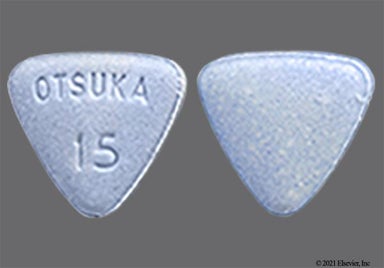
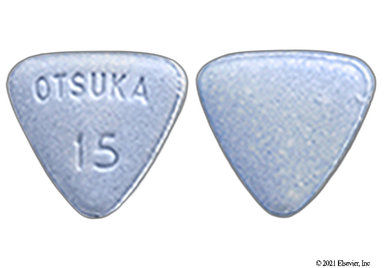
Tolvaptan (Samsca) images