plerixafor
Mozobil (plerixafor) is an injectable medication used together with granulocyte-colony stimulating factor (G-CSF) in people diagnosed with non-Hodgkin's lymphoma or multiple myeloma who are planned to have a stem cell transplant. This medication helps move your stem cells from your bone marrow to your blood so they can be collected and used for your own transplant. Mozobil (plerixafor) is typically given by a trained healthcare provider at an outpatient clinic.


What is Mozobil (plerixafor)?
What is Mozobil (plerixafor) used for?
- Preparation for blood collection for your own stem cell transplant
How Mozobil (plerixafor) works
Mozobil (plerixafor) is a hematopoietic (blood) stem cell mobilizer. It blocks a protein on your stem cells called CXCR4 so that they can't anchor themselves in the bone marrow. This helps release your stem cells from the bone marrow and into the bloodstream, where they're collected for your transplant.
Drug facts
| Common Brands | Mozobil |
|---|---|
| Drug Class | Hematopoietic stem cell mobilizer |
| Controlled Substance Classification | Not a controlled medication |
| Generic Status | No lower-cost generic available |
| Availability | Prescription only |

Side effects of Mozobil (plerixafor)
The following side effects may get better over time as your body gets used to the medication. Let your healthcare provider know immediately if you continue to experience these symptoms or if they worsen over time.
Common Side Effects
- Diarrhea (37%)
- Injection site reactions (redness, bruising, swelling, irritation, pain; 34%)
- Nausea (34%)
- Feeling tired (27%)
- Headache (22%)
- Joint pain (13%)
- Dizziness (11%)
- Vomiting (10%)
- Trouble sleeping (7%)
- Gas (7%)
*Side effects and percentages are listed for Mozobil (plerixafor) in people also receiving G-CSF.
Less Common Side Effects
- Muscle and bone pain
- Stomach pain
- Constipation
- Bloating
- Dry mouth
- Mouth numbness
- Excessive sweating
Mozobil (plerixafor) serious side effects
Contact your healthcare provider immediately if you experience any of the following.
- Severe allergic reaction: rash, trouble breathing, swelling of lips, tongue, or throat
- Ruptured spleen: pain in your left upper stomach or shoulder
The following Mozobil (plerixafor) side effects have also been reported
Along with its needed effects, a medicine may cause some unwanted effects. Although not all of these side effects may occur, if they do occur they may need medical attention.
Check with your doctor or nurse immediately if any of the following side effects occur:
More common
Bleeding gums
burning, crawling, itching, numbness, prickling, "pins and needles", or tingling feelings
collection of blood under the skin
coughing up blood
deep, dark purple bruise
difficulty in breathing or swallowing
dizziness
feeling of heat
flushing, redness of the skin
hard lump
headache
hives or welts, itching, skin rash
increased menstrual flow or vaginal bleeding
irritation
nosebleeds
paralysis
prolonged bleeding from cuts
red or black, tarry stools
red or dark brown urine
swelling
unusually warm skin
Rare
Chills
cold sweats
confusion
dizziness, faintness, or lightheadedness when getting up from a lying or sitting position
fainting
fast heartbeat
swelling around the eyes
tightness in the chest
weakness
Some side effects may occur that usually do not need medical attention. These side effects may go away during treatment as your body adjusts to the medicine. Also, your health care professional may be able to tell you about ways to prevent or reduce some of these side effects. Check with your health care professional if any of the following side effects continue or are bothersome or if you have any questions about them:
More common
Bloated feeling
difficulty in moving
excess air or gas in the stomach or bowels
muscle pain or stiffness
pain in the joints
passing gas
trouble sleeping
vomiting
Less common
Belching
bone pain
difficulty having a bowel movement
general feeling of discomfort or illness
increased sweating
indigestion
pressure in the stomach
stomach discomfort or upset
swelling of the abdominal or stomach area
Incidence not known
Abnormal dreams and nightmares
Other side effects not listed may also occur in some patients. If you notice any other effects, check with your healthcare professional.
Call your doctor for medical advice about side effects. You may report side effects to the FDA at 1-800-FDA-1088.

Pros and cons of Mozobil (plerixafor)
Pros
- Works well to raise the number of stem cells in the bloodstream to be collected for transplant
- Can be given in an outpatient setting instead of needing to be admitted to the hospital
- Might need fewer apheresis (blood collection) procedures compared to using G-CSF alone
- Once-daily dosing
Cons
- Injections might be uncomfortable.
- Must be monitored for allergic reactions for at least 30 minutes after each injection
- Unknown if safe or works well in children
- Brand only, so might be expensive

Pharmacist tips for Mozobil (plerixafor)

- Keep track of your dosing schedule using a calendar so you don't miss any injections. Missing injections could mean a delay in your blood collection and transplant.
- If you experience a rash, itching, or other reaction at the injection site, tell your provider so they can give you medication to treat your symptoms.
- It's common for Mozobil (plerixafor) to cause stomach side effects, like diarrhea, nausea, and vomiting. Discuss ways to manage these side effects with your provider.
- It's not recommended to breastfeed during treatment with Mozobil (plerixafor) and for 1 week after your last dose since it might cause harm to your baby. Speak with your provider if you have questions.

Risks and warnings for Mozobil (plerixafor)
Mozobil (plerixafor) can cause some serious health issues. This risk may be even higher for certain groups. If this worries you, talk to your doctor or pharmacist about other options.
Severe allergic reaction
In some rare cases, Mozobil (plerixafor) can cause serious or life-threatening allergic reactions like anaphylaxis. To make sure you don't have a reaction, your provider will monitor you when you receive the medication and for at least 30 minutes after each injection. If you experience a rash, trouble breathing, dizziness, or swelling of your lips, tongue, or throat, get medical help right away.
Blood tests during treatment
Mozobil (plerixafor) treatment with G-CSF can cause changes to your blood cell counts, including a rise in white blood cells and a drop in platelets. Your provider will monitor your blood cell counts through blood tests while you're receiving this medication to make sure they're at a healthy level.
Large spleen
Though rare, some people receiving Mozobil (plerixafor) with G-CSF have developed an enlarged (larger than normal) spleen during treatment. In serious cases, the spleen can rupture (break open), which can be deadly. Contact your provider if you notice any pain in the upper left stomach area or in your shoulder.
Harm to babies
- Risk factors: Pregnancy | Breastfeeding
Based on animal studies, Mozobil (plerixafor) can cause harm to babies when used during pregnancy. To lower this risk, it's recommended to use birth control during treatment with Mozobil (plerixafor) and for 1 week after your last dose to prevent pregnancy.
In addition, while it isn't known if Mozobil (plerixafor) passes into breast milk, it's recommended to avoid breastfeeding during treatment with Mozobil (plerixafor) and for 1 week after your last dose. If you have questions, speak with your provider.

Mozobil (plerixafor) dosage
Typical dosage for Mozobil (plerixafor)
Treatment with Mozobil (plerixafor) will begin after you've received G-CSF once daily for 4 days.
In general, your Mozobil (plerixafor) dose is based on your medical conditions and body weight. The medication is given 11 hours before each blood collection procedure for up to 4 days in a row.
- Weight of 182 lbs (83 kg) or less: The typical dose is 20 mg or 0.24 mg/kg of body weight injected under the skin by a healthcare provider.
- Weight of more than 182 lbs (83 kg): The typical dose is 0.24 mg/kg of body weight injected under the skin by a healthcare provider.
Your dose shouldn't be more than 40 mg per day. If you have kidney problems, your dose might differ.

Interactions between Mozobil (plerixafor) and other drugs
Although certain medicines should not be used together at all, in other cases two different medicines may be used together even if an interaction might occur. In these cases, your doctor may want to change the dose, or other precautions may be necessary. Tell your healthcare professional if you are taking any other prescription or nonprescription (over-the-counter [OTC]) medicine.

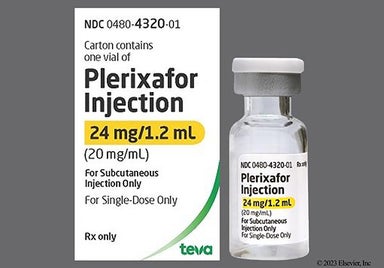
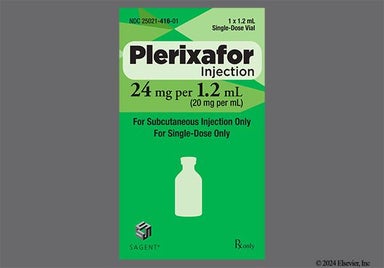
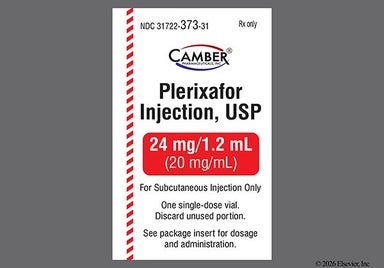
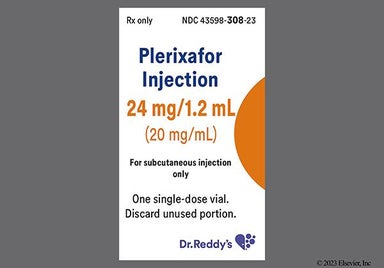
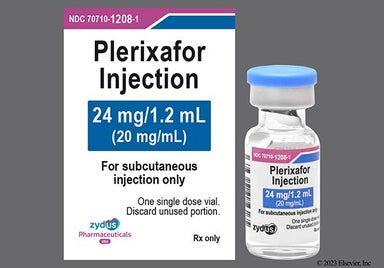
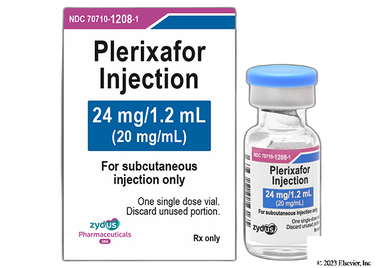
Mozobil (plerixafor) images