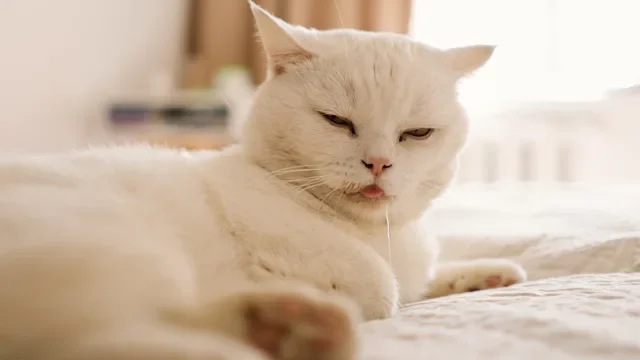
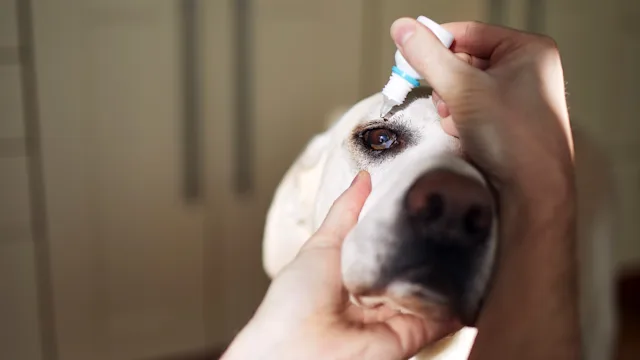
Learn more about treatment options and behavioral techniques for your pets' separation anxiety — and how to strategize your return to work — here.
References
Arhant, C., et al. (2010). Behaviour of smaller and larger dogs: Effects of training methods, inconsistency of owner behaviour and level of engagement in activities with the dog. Applied Animal Behaviour Science.
Curtis, T. M. (2008). Separation anxiety. Veterinary Information Network.
Deldalle, S., et al. (2014). Effects of 2 training methods on stress-related behaviors of the dog (Canis familiaris) and on the dog-owner relationship. Journal of Veterinary Behavior.
Hechenleitner, M. (2022). Risk factors and behaviors associated with separation anxiety in dogs.
Innovative Veterinary Care.Horwitz, D., et al. (n.d.). Introduction to desensitization and counterconditioning.
VCA Animal Hospitals.Landsberg, G. M. (2008). Treating canine and feline anxiety: Drug therapy and pheromones. Innovative Veterinary Care.
McGreevy, P. D., et al. (2014). The importance of safety signals in animal handling and training. Journal of Veterinary Behavior.
Merck Animal Health. (2021). Does your pet have a ‘pawblem’ being home alone?
Radosta, L., et al. (2017). Separation-related disorders and the differences between dogs and cats. Today’s Veterinary Practice.
Sargisson, R. J. (2014). Canine separation anxiety: Strategies for treatment and management. Veterinary Medicine: Research and Reports.
Schwartz, S. (2003). Separation anxiety syndrome in dogs and cats. Journal of the American Veterinary Medical Association.
Vitale, K. R., et al. (2019). Attachment bonds between domestic cats and humans. Current Biology.
Ziv, G. (2017). The effects of using aversive training methods in dogs — A review. Journal of Veterinary Behavior.

Why trust our experts?



Search and compare options