Key takeaways:
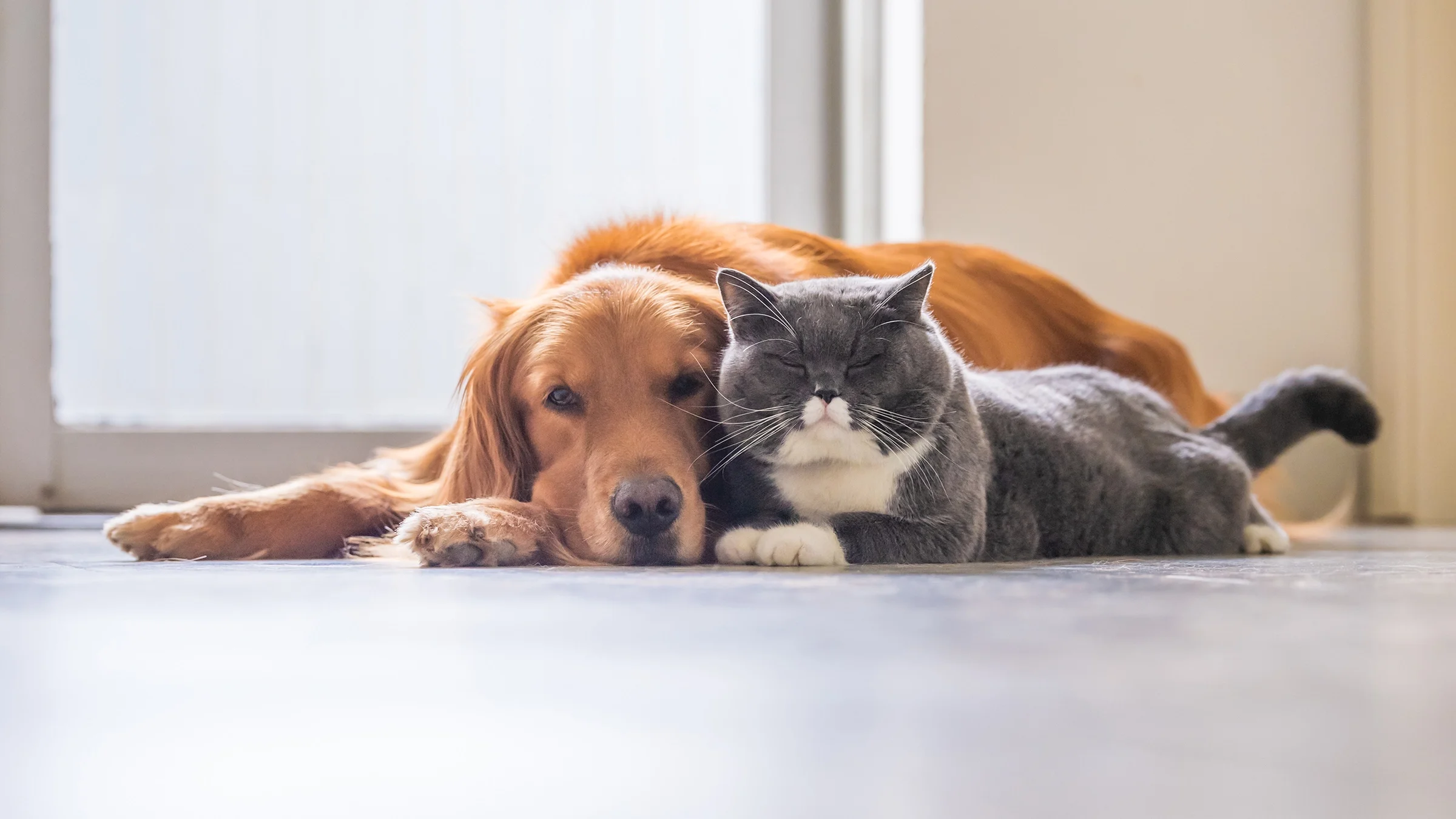
Both cats and dogs can get COVID-19. But most pets have mild symptoms.
Pets with chronic diseases, like diabetes and asthma, are more susceptible to getting COVID-19.
A COVID-19 test for pets is available, and your vet may have you isolate a pet who tests positive for COVID-19.
The COVID-19 pandemic may seem like it’s in the past. But as reports of new waves of COVID-19 pop up, you may still be concerned about your pet’s risk of getting the virus.
Your dog or cat can get COVID-19, just like you can. The virus behaves differently in pets. But they might experience some of the same symptoms that you have.
Understanding how COVID-19 affects pets can ensure that you’re prepared in case you or your pet ever gets sick.
Search and compare options
Can my dog or cat get COVID-19?
Yes. Maritxu Ravenscroft, DVM, a veterinarian at Kanan Veterinary Hospital, explained that both cats and dogs can get COVID-19. Cats are more susceptible to contracting COVID-19 than dogs. Most pets get SARS-CoV-2 — the virus that causes COVID-19 — from people who are infected with the virus.
Ravenscroft notes that pets with certain chronic conditions are more at risk of getting COVID-19. Conditions that may increase your pet’s risk of getting the virus include:
Diabetes
The good news is, severe illness and death in pets due to COVID-19 are extremely rare. In some cases, it’s hard to tell if COVID-19 was the actual cause of death.
Can pets get COVID-19 from their human owners?
Can dogs get COVID-19 from people? And what about cats? The CDC reports that yes, COVID-19 can spread from people to both dogs and cats. This transmission occurs when pets have close contact with a human who is positive for the virus.
The thought of your pet getting COVID-19 can be frightening. While you might be tempted to put a mask on your pet, don’t do this. Masks could potentially harm your pet. If someone in your house has COVID-19, wearing a mask at home and quarantining away from your pets can help protect them.

Bird flu in pets: You may have heard that avian flu is affecting pets, especially cats. Find out how to protect your pets from the virus.
Dog got a runny nose? COVID-19 is one potential cause of this pesky symptom in pups. Learn what could be making your dog’s nose run and how to help them.
Seasonal allergies in dogs: Seasonal allergies are common in dogs, and the most common allergy symptom is itchiness. Here’s how to help them ditch the itch.
Can pets spread COVID-19?
The CDC reports that there is a low risk of pets spreading COVID-19 to humans. There is also no evidence that you can get COVID-19 from your pet’s skin, fur, or hair. COVID-19 primarily spreads through airborne respiratory droplets.
Avoid using disinfectants or human sanitizer products on your pet. Alcohol, hydrogen peroxide, hand sanitizer, and surface cleaners could all harm them. Your vet can recommend appropriate bathing and cleaning products that are safe to use on your pet.
Symptoms of COVID-19 in dogs and cats
Symptoms of COVID-19 in dogs and cats can include:
Lack of energy
Sneezing
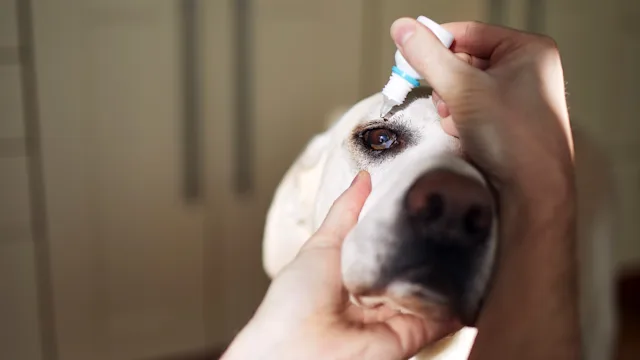
Eye discharge
Read more like this
Explore these related articles, suggested for readers like you.


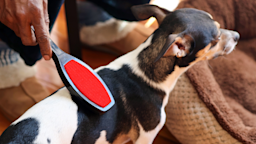
It’s also possible that your pet might be infected but won’t get sick. Most infected pets only have mild illnesses. Thankfully, severe COVID-19 illness in pets is rare.
Is there a test for COVID-19 in pets?
Ravenscroft says there is a COVID-19 test for pets. Your veterinarian can help you decide whether you should get your pet tested.
They may recommend a COVID-19 test based on your pet’s symptoms or if your dog or cat was in close contact with someone who tested positive for COVID-19. But your vet might start by ruling out more common pet illnesses that cause similar symptoms.
Keep in mind that at-home COVID-19 tests are designed for people, not animals. Ask your veterinarian if you have questions about COVID-19 testing and your pet.
What should you do if you think your dog or cat has COVID?
If you think your pet has COVID-19, contact your veterinarian.
“Discuss the signs your pet is displaying, as well as the probability of COVID-19 exposure,” says Ravenscroft. “Your vet will decide if your pet’s exposure to COVID-19 warrants a test.”
Don’t take your pet straight to your veterinarian’s office if you think they may have COVID-19. Call ahead to find out how your vet wants to proceed. They may want to create an alternative plan to treat your pet, like a telemedicine consult.
What should you do if your pet tests positive for COVID?
If your pet tests positive for COVID-19, keep them isolated at home. If you have an outside cat, you’ll need to keep them indoors so they don’t wander. Plan on keeping your pet at home except when you need to travel for veterinary care.
While your pet is in isolation at home, carefully monitor their symptoms. Look for signs that their symptoms are getting worse. And watch for new symptoms. Contact your veterinarian if you notice any changes. It may be helpful to write down your pet’s symptoms each day.
Your vet will let you know when you can safely end your pet’s isolation period. In general, your pet can resume normal activities when they have been symptom free for at least 72 hours and it’s been at least 14 days since their most recent positive test. A negative follow-up test may also mean that you can let your pet out of isolation.
How can you protect your pet if you have COVID-19?
If you catch COVID-19, avoid close contact with your pets as much as you can. This means that you shouldn’t pet, snuggle, kiss, or share food with your pet. You should also avoid sleeping in the same bed as your pet while you’re sick.
Ravenscroft notes that it’s particularly important to avoid close contact with your pet if they have any long-term diseases. It may be difficult to keep your pet distanced while you’re sick. But these measures could help protect them from getting COVID-19.
The bottom line
Cats and dogs can get COVID-19. But most pets experience only mild symptoms.
If you think your pet may have COVID-19, call your veterinarian right away. They can offer guidance on treating and quarantining your pet. With veterinary care and monitoring, your pet will probably feel better again soon.

Why trust our experts?




References
American Veterinary Medical Association. (n.d.). Caring for your pet with SARS-CoV-2.
American Veterinary Medical Association. (n.d.). SARS-CoV-2 in animals.
American Veterinary Medical Association. (n.d.). Testing for SARS-CoV-2.
American Veterinary Medical Association. (n.d.). Testing your pet for SARS-CoV-2.
Bienzle, D., et al. (2022). Risk factors for SARS-CoV-2 infection and illness in cats and dogs. Emerging Infectious Diseases.
Centers for Disease Control and Prevention. (2021). What you need to know about COVID-19 and pets.
Centers for Disease Control and Prevention. (2023). Animals and COVID-19.
Centers for Disease Control and Prevention. (2024). What you should know about COVID-19 and pets.
Complexity Science Hub. (2024). SARS-ANI VIS: A global open access dataset of reported SARS-CoV-2 events in animals.
Tazerji, S. S., et al. (2023). The risk of pet animals in spreading severe acute respiratory syndrome coronavirus 2 (SARS‐CoV‐2) and public health importance: An updated review. Veterinary Medicine and Science.