



Can Casgevy Cure Sickle Cell Disease? 5 Things to Know About This Groundbreaking SCD Treatment
The FDA recently approved Casgevy (exa-cel), a new gene editing therapy that can treat and alleviate symptoms of sickle cell disease.
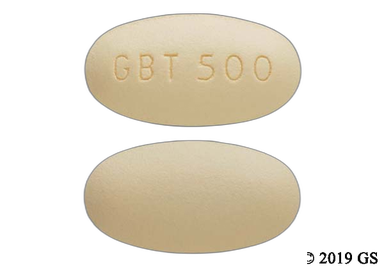
Oxbryta (voxelotor) is a medication used to help prevent complications, such as extreme pain and anemia, in people with sickle cell disease. It was approved by the FDA in 2019, but it was also recently approved in 2021 for use in children 4 years and older. It's taken by mouth once per day and can be made into a liquid suspension for people who have a hard time swallowing tablets. Some common side effects include headache, diarrhea, and vomiting.

If you have sickle cell disease (SCD), the hemoglobins (proteins that help carry oxygen) inside your red blood cells (RBCs) clump together. This causes sickling, where your RBCs change from a round shape to a "C" shape ("sickle" shape). Sickling can result in a lot of complications, including extreme pain and anemia.
Oxbryta (voxelotor) works by attaching to your hemoglobins. This prevents them from clumping up, which in turn, prevents your RBCs from sickling.
| Common Brands | Oxbryta |
|---|---|
| Drug Class | Hemoglobin S polymerization inhibitor |
| Controlled Substance Classification | Not a controlled medication |
| Generic Status | No lower-cost generic available |
| Availability | Prescription only |

The following side effects may get better over time as your body gets used to the medication. Let your healthcare provider know immediately if you continue to experience these symptoms or if they worsen over time.
Contact your healthcare provider immediately if you experience any of the following.
Serious allergic reaction: rash, trouble breathing, swelling of lips, tongue, or face



For 300 mg tablets for suspension only:

Oxbryta (voxelotor) can cause some serious health issues. This risk may be even higher for certain groups. If this worries you, talk to your doctor or pharmacist about other options.
Rarely, Oxbryta (voxelotor) can cause a serious allergic reaction. If you get an allergic reaction, let your provider know because you'll need to stop Oxbryta (voxelotor) and consider other treatment options. Seek medical help right away if you experience symptoms of an allergic reaction, including rash, hives, shortness of breath, and swelling in the face.

 Orally disintegrating tab
| Dosage | Quantity | Price as low as | Price per unit |
|---|---|---|---|
| 300mg | 30 orally disintegrating tabs | $4,008.39 | $133.61 |


Prescription savings
Stop paying too much for your prescriptions. Compare prices, get pharmacy coupons, and save up to 80%. Find expert answers to your health questions so you can make the best decisions for yourself and your family.
Health conditions
Medications & treatment
Access & affordability
Medication discounts


Sickle cell disease (SCD) is a genetic condition where there's a problem with the shape of your red blood cells (RBCs). RBCs are normally round-shaped, but are flexible to change shape as needed as they travel through your blood vessels. But in SCD, they're C-shaped ("sickle"-shaped) and also become hard and sticky. This is because the hemoglobin inside RBCs clump up, which cause the RBCs to change shape. Typical complications and symptoms include pain (the most common complication of SCD), anemia, infection, blood clots, and vision loss.
If you're prescribed the 500 mg tablets and are having trouble swallowing them, ask your provider to switch you to the 300 mg tablets for suspension and to show you how to turn it into a liquid suspension. This is because the 500 mg tablets must be swallowed whole and can't be cut, crushed, chewed, or made into a suspension that you can easily drink.
Oxbryta isn't approved to treat an active pain crises from SCD. But, it might lower the number of pain crises that you experience from SCD if you take this medication regularly according to your provider's instructions. Ask your provider what you can do to treat pain from SCD. Typically, you provider might recommend over-the-counter pain medications for mild pain. But in very serious cases, you might need to go to the hospital. If you're having pain crises from SCD, speak to your provider about treatment options.
Studying a new medication usually takes many years. But in some cases, a medication can be approved in a shorter amount of time because it fills a medical need not currently met by other medications already available in the market. Oxbryta underwent an accelerated approval in 2019 because it specifically targets the cause of SCD complications (e.g., damaged red blood cells) rather than just treating symptoms of SCD. The manufacturer is still required to study the medication to make sure it works well, and then it can get a traditional approval.
It's not known if Oxbryta is safe in pregnant females because it hasn't been studied. In animal studies, unborn babies from mothers who received Oxbryta weren't harmed. If you're pregnant or thinking of getting pregnant, talk to your provider before starting Oxbryta.
