



Memantine’s Mechanism of Action: How This Medication for Alzheimer’s Disease Works
Learn how memantine, also known as Nameda, works. Our experts explain everything to know about its mechanism of action.
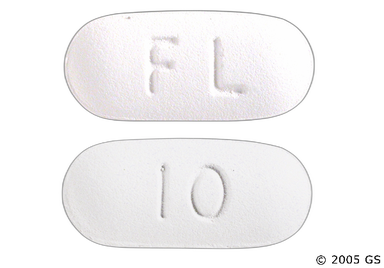
Memantine (Nameda) is an NMDA antagonist used to treat moderate-to-severe dementia linked to Alzheimer's disease. It works by slowing down certain chemical activities in the brain to prevent nerve damage. Memantine (Nameda) is taken by mouth once or twice daily, depending on if you're taking the extended-release capsules, or the regular-release tablet or oral solution. Some side effects of memantine (Nameda) include dizziness, headaches, and confusion.

Memantine (Nameda) is an NMDA (N-methyl-D-aspartate) antagonist. It works by lowering the activity of certain chemical messengers in your brain that are overly active in people with Alzheimer's disease (AD). In doing so, it prevents these chemical messengers from causing further nerve damage in the brain. As a result, memantine (Nameda) slows the worsening of memory loss linked to AD.
| Common Brands | Namenda, Namenda XR |
|---|---|
| Drug Class | NMDA antagonist |
| Controlled Substance Classification | Not a controlled medication |
| Generic Status | Lower-cost generic available |
| Availability | Prescription only |

The following side effects may get better over time as your body gets used to the medication. Let your healthcare provider know immediately if you continue to experience these symptoms or if they worsen over time.
Immediate-release tablet and oral solution:
Along with its needed effects, a medicine may cause some unwanted effects. Although not all of these side effects may occur, if they do occur they may need medical attention.
Check with your doctor immediately if any of the following side effects occur:
Less common
Bloating or swelling of the face, arms, hands, lower legs, or feet
blurred vision
dizziness
headache
nervousness
pounding in the ears
rapid weight gain
slow or fast heartbeat
tingling of the hands or feet
unusual weight gain or loss
Incidence not known
Abdominal or stomach pain
agitation
black, tarry stools
bleeding gums
blistering, peeling, or loosening of the skin
blood in the urine or stools
coma
continuing vomiting
convulsions
dark-colored urine
decreased urine output
fainting
fast, pounding, or irregular heartbeat or pulse
general feeling of tiredness or weakness
high fever
high or low blood pressure
hostility
increased sweating
indigestion
infection from breathing foreign substances into the lungs
lethargy
light-colored stools
lip smacking or puckering
loss of consciousness
muscle twitching
no blood pressure
no breathing
no pulse
numbness or tingling in the face, arms, or legs
pain in the stomach, side, or abdomen, possibly radiating to the back
pain or swelling in the arms or legs without any injury
pain, tension, and weakness upon walking that subsides during periods of rest
pinpoint red spots on the skin
pounding, slow heartbeat
puffing of the cheeks
rapid or worm-like movements of the tongue
rapid weight gain
recurrent fainting
red irritated eyes
red skin lesions, often with a purple center
seizures
severe constipation
severe headache
severe muscle stiffness
severe vomiting
sores, ulcers, or white spots in the mouth or on the lips
stupor
sudden severe weakness
swelling of the face, ankles, or hands
total body jerking
trouble with speaking or walking
troubled breathing
twitching, twisting, or uncontrolled repetitive movements of the tongue, lips, face, arms, or legs
uncontrolled chewing movements
unusual bleeding or bruising
unusually pale skin
vomiting
yellow eyes and skin
Some side effects may occur that usually do not need medical attention. These side effects may go away during treatment as your body adjusts to the medicine. Also, your health care professional may be able to tell you about ways to prevent or reduce some of these side effects. Check with your health care professional if any of the following side effects continue or are bothersome or if you have any questions about them:
More common
Confusion
Less common
back pain
bladder pain
bloody or cloudy urine
change in walking and balance
chills
clumsiness or unsteadiness
cough producing mucus
difficult, burning, or painful urination
difficulty with breathing
difficulty with moving
discouragement
fear
feeling sad or empty
frequent urge to urinate
general feeling of discomfort or illness
hyperventilation
irritability
joint pain
loss of appetite
loss of bladder control
loss of interest or pleasure
lower back or side pain
muscle pain or stiffness
nervousness
pain in the joints
restlessness
seeing, hearing, or feeling things that are not there
shortness of breath
sleepiness or unusual drowsiness
tightness in the chest
tiredness
trouble with concentrating
trouble with sleeping
unusual tiredness or weakness
vomiting
Incidence not known
Burning feeling in the chest or stomach
burning, numbness, pain, or tingling in all fingers except smallest finger
cold sweats
cool pale skin
decreased interest in sexual intercourse
difficulty with swallowing
general feeling of discomfort or illness
inability to have or keep an erection
increased hunger
large amounts of fat in the blood
loss in sexual ability, desire, drive, or performance
nightmares
shakiness
slurred speech
stomach cramps
stomach upset
tenderness in the stomach area
watery or bloody diarrhea
Other side effects not listed may also occur in some patients. If you notice any other effects, check with your healthcare professional.
Call your doctor for medical advice about side effects. You may report side effects to the FDA at 1-800-FDA-1088.




Memantine (Nameda) can cause some serious health issues. This risk may be even higher for certain groups. If this worries you, talk to your doctor or pharmacist about other options.
Certain medications, health conditions, and foods that you eat can cause your urine to be more alkaline (less acidic). This can raise the levels of memantine (Nameda) in the body, which could lead to more side effects, such as dizziness, headaches, and confusion. Talk to your provider to make sure it's safe for you to take memantine (Nameda).


Although certain medicines should not be used together at all, in other cases two different medicines may be used together even if an interaction might occur. In these cases, your doctor may want to change the dose, or other precautions may be necessary. When you are taking this medicine, it is especially important that your healthcare professional know if you are taking any of the medicines listed below. The following interactions have been selected on the basis of their potential significance and are not necessarily all-inclusive.
Using this medicine with any of the following medicines is usually not recommended, but may be required in some cases. If both medicines are prescribed together, your doctor may change the dose or how often you use one or both of the medicines.









Prescription savings
Stop paying too much for your prescriptions. Compare prices, get pharmacy coupons, and save up to 80%. Find expert answers to your health questions so you can make the best decisions for yourself and your family.
Health conditions
Medications & treatment
Access & affordability
Medication discounts

It might be difficult to tell how quickly Memantine works because this medication doesn't reverse dementia related to Alzheimer’s disease (AD). But rather, Memantine mainly works by slowing down the worsening of this condition. For example, some studies suggest that people who took Memantine had slower memory loss or slower loss of the ability to learn new things compared to people who didn't take this medication. But at the same time, some people did see an improvement in some symptoms related to AD, such as performing daily activities. Keep in mind that everyone responds to Memantine differently. Your provider will likely prescribe other medications along with Memantine to help slow the worsening of Alzheimer's.
Memantine isn't known to make dementia worse. But people who take Memantine will experience a worsening in their symptoms over time. This is because medication doesn't cure Alzheimer's disease, but only slows down its progression. Though not common, Memantine can sometimes cause side effects like confusion and hallucinations (seeing things that aren't there). These side effects can be confused with worsening dementia. If you or a loved one has a change in behavior after starting Memantine, follow up with your provider to learn more.
You can take Memantine at any time of the day, but it works best if you take it at the same time(s) every day. Because it can potentially cause dizziness and drowsiness as side effects, it might be helpful to take your dose at night. If you're taking the immediate-release version (tablets or oral solution) twice daily, take one dose in the morning and one dose at night. If you're taking the extended-release capsules, you can take your dose once daily at night.
If you're allergic to Memantine or any of the inactive ingredients, this medication might not be the best treatment option for you. Additionally, Memantine isn't FDA-approved to treat those with mild dementia from Alzheimer's disease, or any other type of dementia.
If you're taking the Memantine extended-release capsules, don't crush them. This can change the way the medication is absorbed in your body. There isn't enough information to know if the Memantine immediate-release tablets can be crushed. If you're having trouble swallowing pills, talk to your provider about switching to the Memantine oral solution (liquid) version. Alternatively, the extended-release capsules can be opened and the contents can be sprinkled on applesauce.
Though not common, Memantine can cause drowsiness as a side effect. It might get better or go away after you've been taking the medication for a few weeks. If you find drowsiness to be bothersome, let your provider know.
Both Memantine and donepezil (Aricept) are used to treat dementia related to Alzheimer's disease, but they have some differences. 1) Donepezil (Aricept) is FDA-approved for mild to severe stages of Alzheimer's disease, where Memantine is only approved for moderate-to-severe forms of AD. 2) The two medications work differently and belong to different drug classes. Memantine is an NMDA antagonist, and donepezil (Aricept) is a cholinesterase inhibitor. Your provider can help you determine the best option for you. Sometimes, they might prescribe both Memantine and donepezil (Aricept) at the same time.
