Key takeaways:
Methocarbamol is a muscle relaxer that’s approved for the short-term relief of muscle pain.
Generally, it’s recommended to start with 6 g to 8 g of methocarbamol per day (in divided doses) for the first 2 to 3 days. Then, you’ll likely reduce your dosage to around 4 g per day. The exact dosage varies based on whether you’re taking 500 mg or 750 mg tablets.
Avoid combining methocarbamol with opioids and alcohol, and don’t take more than recommended. This can lead to serious side effects, including severe drowsiness, slowed breathing, and overdose.
Methocarbamol is available as a lower-cost generic. GoodRx may be able to help you save on the cost of this medication.
Save on related medications
Methocarbamol is an oral medication that’s used for short-term muscle pain. It's part of a group of medications called muscle relaxers. It’s meant to be used along with physical therapy techniques, rest, and other pain-relief strategies.
Methocarbamol may be a good option if you need a muscle relaxer that’s less likely to cause drowsiness. But knowing how to take it is important. Here, we’ll cover what you need to know about methocarbamol dosages. Just keep in mind that you should always follow your prescriber’s instructions, even if they differ from what’s described below.
Good to know: Methocarbamol tablets are only available as a lower-cost, generic medication. The injectable form of methocarbamol is available as brand-name Robaxin, as well as a lower-cost generic. But since this form is only given in a medical setting, injectable dosages aren’t included in this article.
What’s the typical methocarbamol dosage for adults?
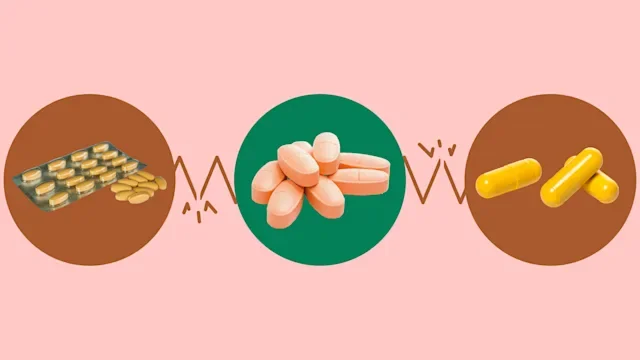
Methocarbamol comes in 500 mg and 750 mg tablets. The recommended dosage depends on which tablets you’re taking. Generally, it’s recommended to start with 6 g to 8 g of methocarbamol per day (in divided doses) for the first 2 to 3 days. Then, you’ll likely reduce your dosage to around 4 g per day.
Search and compare options
With methocarbamol 500 mg tablets, it’s typical to start with 3 tablets (1.5 g) four times a day for 2 to 3 days. After that, a lower maintenance dosage of 2 tablets (1 g) four times a day is recommended.
With methocarbamol 750 mg tablets, you’ll typically start with 2 tablets (1.5 g) four times a day for 2 to 3 days. After that, a lower maintenance dosage of 1 tablet every 4 hours or 2 tablets three times a day is recommended.
Keep in mind that methocarbamol is only FDA approved for adults.
What happens if you miss a dose of methocarbamol?
If you miss a dose of methocarbamol, you should generally take it as soon as you remember. But if it’s almost time for your next scheduled dose, just skip the missed one. Don’t double up on methocarbamol doses to make up for one you missed.
What should you do if you take too much methocarbamol?
If you take an extra dose of methocarbamol by mistake, you may experience excess side effects, such as dizziness and drowsiness. Taking a large amount of methocarbamol can lead to more serious side effects, such as sedation, seizures, and coma. A methocarbamol overdose can be more dangerous if you’ve also taken other sedating substances, such as alcohol or opioids.
If you or a loved one takes more methocarbamol than prescribed, reach out to a prescriber or contact Poison Control at 1-800-222-1222. If serious side effects occur, call 911 or seek emergency care right away.
How to save on methocarbamol
Methocarbamol tablets are available as a lower-cost, generic medication. You could pay as little as $8.40 for 60 methocarbamol 500 mg tablets with a free GoodRx discount.
Frequently asked questions
Methocarbamol is approved to treat muscle-related pain and stiffness, such as neck or back pain. But the research on how well muscle relaxers work, especially for lower back pain, is mixed. Still, one study showed that, for short-term relief of back pain, methocarbamol was as effective as opioids and caused fewer side effects. Methocarbamol may also work better if it’s combined with a nonsteroidal anti-inflammatory drug (NSAID).
Methocarbamol is typically meant for short-term relief of acute muscle pain. It’s meant to be combined with physical therapy and other pain-relief measures until the root cause of your pain is addressed. Taking methocarbamol long term can increase your risk of side effects, such as drowsiness, dizziness, and headaches. It can also mask the underlying cause of your pain and delay proper treatment.
Methocarbamol is approved to treat muscle-related pain and stiffness, such as neck or back pain. But the research on how well muscle relaxers work, especially for lower back pain, is mixed. Still, one study showed that, for short-term relief of back pain, methocarbamol was as effective as opioids and caused fewer side effects. Methocarbamol may also work better if it’s combined with a nonsteroidal anti-inflammatory drug (NSAID).
Methocarbamol is typically meant for short-term relief of acute muscle pain. It’s meant to be combined with physical therapy and other pain-relief measures until the root cause of your pain is addressed. Taking methocarbamol long term can increase your risk of side effects, such as drowsiness, dizziness, and headaches. It can also mask the underlying cause of your pain and delay proper treatment.
The bottom line
Methocarbamol is a muscle relaxer that’s approved to treat muscle pain. It’s meant to be combined with physical therapy and rest. Generally, it’s recommended to start with 6 g to 8 g of methocarbamol per day (in divided doses) for the first 2 to 3 days. Then, you’ll typically reduce your dosage to around 4 g per day. The exact dosage varies based on whether you’re taking the 500 mg or 750 mg tablets.
Methocarbamol is only meant for short-term use. Avoid combining methocarbamol with opioids and alcohol, and don’t take more than recommended. This can lead to serious side effects, including severe drowsiness, slowed breathing, and overdose.

Why trust our experts?




References
Bryant Ranch Prepack. (2026). Methocarbamol - methocarbamol tablet [package insert].
Friedman, B. W., et al. (2017). A randomized, double-blind, placebo-controlled trial of naproxen with or without orphenadrine or methocarbamol for acute low back pain. Annals of Emergency Medicine.
MedlinePlus. (2017). Methocarbamol.
Oldfield, B. J., et al. (2024). Long-term use of muscle relaxant medications for chronic pain: A systematic review. JAMA Network Open.
Samsamshariat, S., et al. (2021). Efficacy of the combination of indomethacin and methocarbamol versus indomethacin alone in patients with acute low back pain: A double-blind, randomized placebo-controlled clinical trial. Journal of Research in Pharmacy Practice.
Sibrack, J., et al. (2024). Methocarbamol. StatPearls.
Ueberall, M. A., et al. (2021). COMET - effectiveness and tolerability of methocarbamol versus oral opioid-analgesics as add-on measure in patients with non-specific low back pain refractory to recommended 1st line treatments. A retrospective analysis of depersonalized propensity score matched open-label real-world 4-week data from the German Pain e-Registry. Current Medical Research and Opinion.
Witenko, C., et al. (2014). Considerations for the appropriate use of skeletal muscle relaxants for the management of acute low back pain. Pharmacy and Therapeutics.