lincomycin
Lincomycin, also known by the brand name, Lincocin, is a lincosamide antibiotic used to treat serious infections caused by certain bacteria, especially in people who are allergic to penicillin. The medication is injected into a muscle (IM) or through a vein (IV), and can also be injected into the eye for certain eye infections. Lincomycin (Lincocin) can be given once per day, but severe infections might require more frequent doses. Side effects include diarrhea (including C. diff diarrhea), nausea, and stomach pain.


What is Lincomycin (Lincocin)?
What is Lincomycin (Lincocin) used for?
- Treatment of serious bacterial infections in people who are allergic to penicillin
How Lincomycin (Lincocin) works
Lincomycin (Lincocin) is a lincosamide antibiotic. It works by stopping bacteria from making proteins, which prevents them from growing and spreading.
Drug facts
| Common Brands | Lincocin |
|---|---|
| Drug Class | Lincosamide antibiotic |
| Controlled Substance Classification | Not a controlled medication |
| Generic Status | No lower-cost generic available |
| Availability | Prescription only |

Side effects of Lincomycin (Lincocin)
The following side effects may get better over time as your body gets used to the medication. Let your healthcare provider know immediately if you continue to experience these symptoms or if they worsen over time.
Common Side Effects
- Diarrhea
- Nausea
- Vomiting
- Stomach pain
- Rash
- Hives
- Dizziness
Less Common Side Effects
- Injection site pain
- Injection site irritation
Lincomycin (Lincocin) serious side effects
Contact your healthcare provider immediately if you experience any of the following.
- Serious allergic reaction or skin reaction: hives, rash, blisters, skin reddening, swelling of the lips or tongue, difficulty breathing
- Infectious diarrhea (C. diff-related diarrhea): rapid heart rate, fever, nausea, fatigue, stomach cramps, foul-smelling diarrhea, frequent bowel movements (even up to 15 times per day)
The following Lincomycin (Lincocin) side effects have also been reported
Along with its needed effects, a medicine may cause some unwanted effects. Although not all of these side effects may occur, if they do occur they may need medical attention.
Check with your doctor or nurse immediately if any of the following side effects occur:
Incidence not known
Abdominal or stomach pain or tenderness
black, tarry stools
blistering, peeling, or loosening of the skin
blurred vision
chills
clay-colored stools
confusion
dark urine
difficulty with swallowing
dizziness dizziness, faintness, or lightheadedness when getting up suddenly from a lying or sitting position
fast heartbeat
headache
joint or muscle pain
loss of appetite
lower back or side pain
painful or difficult urination
pale skin
puffiness or swelling of the eyelids or around the eyes, face, lips, or tongue
red skin lesions, often with a purple center
red, irritated eyes
severe abdominal or stomach cramps and pain
sores, ulcers, or white spots in the mouth or on the lips
sweating
tightness in the chest
ulcers, sores, or white spots in the mouth
unpleasant breath odor
unusual bleeding or bruising
unusual tiredness or weakness
vomiting of blood
watery and severe diarrhea, which may also be bloody
yellow eyes or skin
Some side effects may occur that usually do not need medical attention. These side effects may go away during treatment as your body adjusts to the medicine. Also, your health care professional may be able to tell you about ways to prevent or reduce some of these side effects. Check with your health care professional if any of the following side effects continue or are bothersome or if you have any questions about them:
Incidence not known
Abdominal or stomach discomfort
continuing ringing or buzzing or other unexplained noise in the ears
feeling of constant movement of self or surroundings
hearing loss
pain, redness, or hard lumps at the injection site
redness, swelling, or soreness of the tongue
sensation of spinning
sleepiness or unusual drowsiness
Other side effects not listed may also occur in some patients. If you notice any other effects, check with your healthcare professional.
Call your doctor for medical advice about side effects. You may report side effects to the FDA at 1-800-FDA-1088.

Pros and cons of Lincomycin (Lincocin)
Pros
- Can treat many different infections throughout the body
- Can use in children as young as 1 month old
- An option for people with penicillin allergy
Cons
- Only available as an injection
- Need to receive multiple times per day for more severe infections
- Causes diarrhea more frequently than other antibiotics

Pharmacist tips for Lincomycin (Lincocin)

- Before starting treatment, tell your care team if you're allergic to clindamycin or other antibiotics. If you have had allergic reactions to clindamycin, you might have a higher risk of a serious reaction to lincomycin (Lincocin).
- Even though lincomycin (Lincocin) is given by injection, it can still cause stomach-related side effects like diarrhea, nausea, vomiting, and stomach pain. Talk to your prescriber if these side effects become bothersome.
- Call your healthcare team right away if you develop bloody diarrhea, fever, fatigue, or stomach cramps during or after treatment with lincomycin (Lincocin). These could be signs of serious C. diff diarrhea that needs to be treated right away.
- Let your care team know if your symptoms get worse or if you develop new symptoms. You might need additional tests to check for other infections. Lincomycin (Lincocin) can only treat certain bacterial infections — it doesn't work against viral or fungal infections.

Risks and warnings for Lincomycin (Lincocin)
Lincomycin (Lincocin) can cause some serious health issues. This risk may be even higher for certain groups. If this worries you, talk to your doctor or pharmacist about other options.
Diarrhea from Clostridioides difficile infection
 Lincomycin (Lincocin) raises your risk of getting infected with a bacteria called Clostridioides difficile (C. diff). This happens because antibiotics disrupt the normal gut bacteria, allowing C. diff to grow and release harmful toxins. This can lead to diarrhea, which in some cases, can be life-threatening.
C. diff infections can happen during or up to two months after stopping an antibiotic. If you experience diarrhea that won't go away, stomach pain, or fever while taking lincomycin (Lincocin) or after finishing treatment, contact your care team right away since you might need treatment for C. diff.
Severe allergic reactions and skin reactions
Severe allergic reactions to lincomycin (Lincocin) are possible, including life-threatening reactions like facial swelling and anaphylaxis (e.g., closing of the throat). Additionally, although rare, lincomycin (Lincocin) can also cause serious skin reactions, such as Stevens-Johnson syndrome (SJS) and toxic epidermal necrolysis (TEN). Get medical help right away if you notice hives, rash, blisters, skin peeling, swelling of the lips or tongue, or difficulty breathing.
Risk of gasping syndrome
- Risk factors: Premature infants | Infants with low birth weight
Lincomycin (Lincocin) contains benzyl alcohol, a preservative found in some medications. In rare cases, benzyl alcohol can cause a serious and life-threatening condition called gasping syndrome in children, especially in premature or low-birth-weight infants. If you're pregnant or breastfeeding, talk to your healthcare team before receiving lincomycin (Lincocin), since your baby could be exposed to benzyl alcohol through the womb or breast milk.

Lincomycin (Lincocin) dosage
Typical dosage for Lincomycin (Lincocin)
Lincomycin (Lincocin) is usually given in a hospital or at home by your care team. Your dose depends on how serious your infection is. For children, the dose also depends on body weight.
-
Intramuscular (into the muscle) injection:
- Adults: The typical dose is 600 mg injected every 24 hours. For more severe infections, the dose can be given every 12 hours or more often.
- Children ages 1 month or older: The typical dose is 10 mg/kg injected every 24 hours. For more severe infections, the dose can be given every 12 hours or more often.
-
Intravenous (into the veins) infusion:
- Adults: The typical dose is 600 mg to 1 gram infused every 8 to 12 hours for serious infections. For life-threatening infections, the dose can be as high as 8 grams per day.
- Children ages 1 month or older: The typical dose is 10 to 20 mg/kg infused per day.
-
Subconjunctival (into the eye) injection:
- The typical dose is 75 mg.
Your dose might differ if you have severe kidney problems.

Interactions between Lincomycin (Lincocin) and other drugs
Although certain medicines should not be used together at all, in other cases two different medicines may be used together even if an interaction might occur. In these cases, your doctor may want to change the dose, or other precautions may be necessary. When you are receiving this medicine, it is especially important that your healthcare professional know if you are taking any of the medicines listed below. The following interactions have been selected on the basis of their potential significance and are not necessarily all-inclusive.
Using this medicine with any of the following medicines is usually not recommended, but may be required in some cases. If both medicines are prescribed together, your doctor may change the dose or how often you use one or both of the medicines.
- Ascorbic Acid
- Cholera Vaccine, Live

Lincomycin (Lincocin) contraindications
Contraindications are specific health conditions or situations in which a person should not take a medication due to safety concerns. If you have any of the following conditions or if any of the following apply to you, let your healthcare provider know because Lincomycin (Lincocin) will not be safe for you to take.
- Allergy to clindamycin

What are alternatives to Lincomycin (Lincocin)?

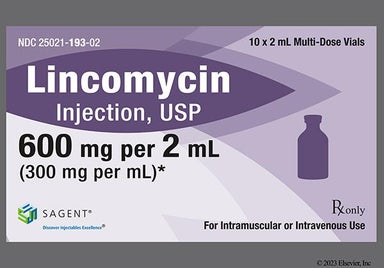
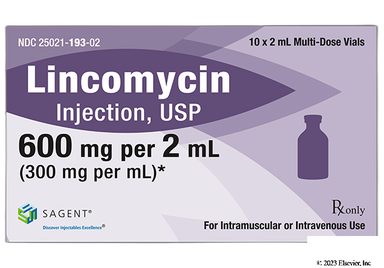
Lincomycin (Lincocin) images