Key takeaways:
Most families use 2,500 to 3,000 disposable diapers during the first year of their child’s life.
About 40% of U.S. households with young children struggle to afford diapers.
You can receive free diapers from diaper banks, food banks, and community organizations.
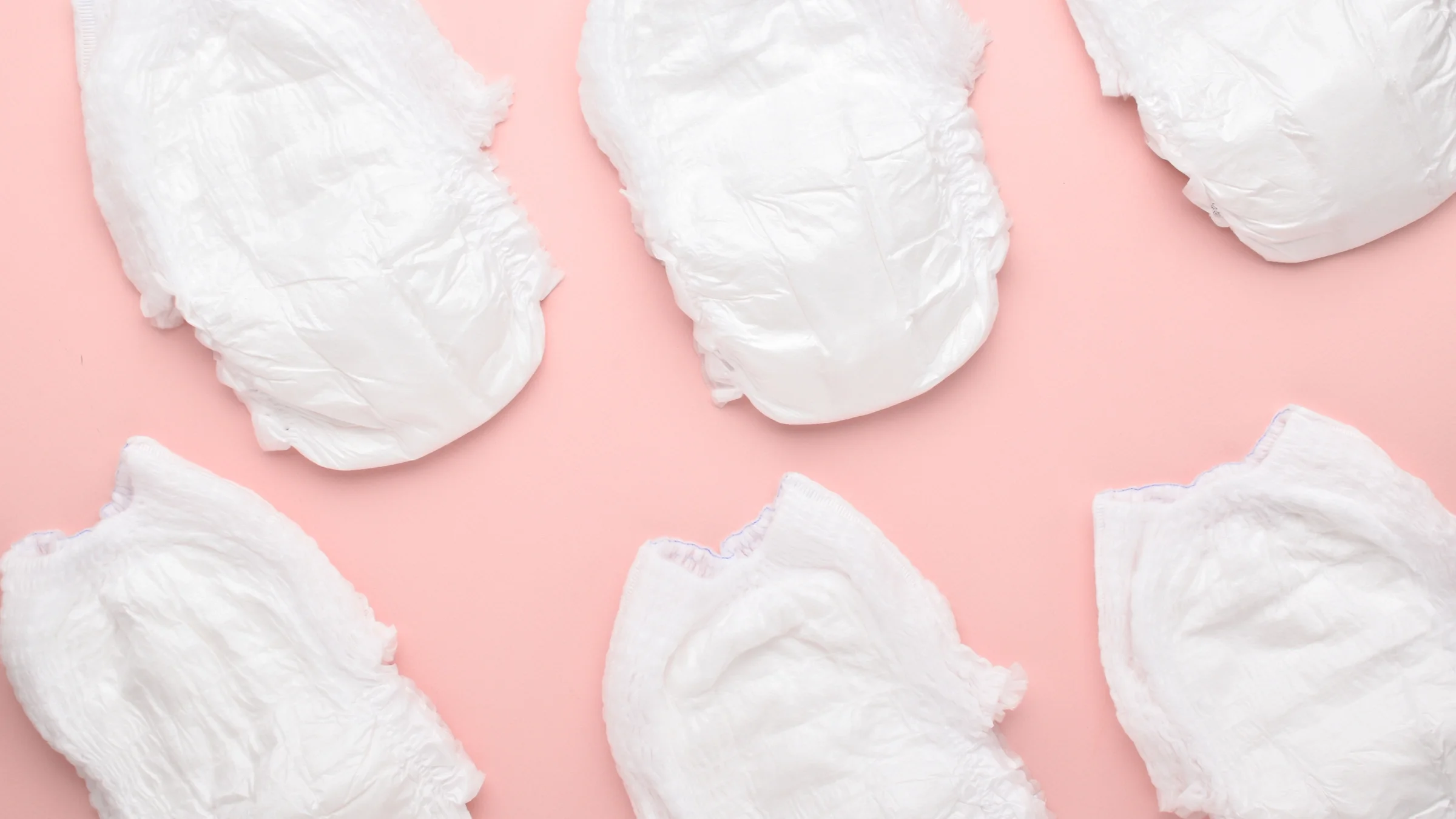
Most parents use 2,500 to 3,000 diapers during the first year of their child’s life, according to the American Academy of Pediatrics. Since a disposable diaper costs about 30 cents, you’ll need $1,000 for diapers the first year alone. (This includes diapers you supply to childcare providers, which is often required.) This is the largest part of the total cost of diapering, which includes wipes and rash creams.
For many parents and households, the expense of diapers is challenging. If you have trouble providing diapers for a child, you’re not alone. Advocates report a shortage for 40% of households with children under age 4 as of 2026.
Diaper need means not having enough diapers to keep an infant or a child clean, dry, and healthy. Diaper need is considered a public health crisis and a social determinant of health. Lack of diapers affects health outcomes for children and families. Households that face a diaper shortage are also at greater risk for food insecurity.
Some households must choose between diapering a child and providing other basic needs, such as food and utilities. But help is available. Diaper banks, food banks, and other community organizations offer free diapers.
Below, we explore how to get free diapers and other essentials for your child.
1. Diaper banks
The National Diaper Bank Network (NDBN) is a U.S. nonprofit that aims to end diaper need. The network includes more than 240 community-based diaper banks. These locations collect, store, and give free diapers to families. Most of the diapers are disposable, but some sites provide cloth diapers.
There is at least one NDBN location in every state, Washington, D.C., and Puerto Rico.
Huggies is a founding sponsor of NDBN. The company donates millions of diapers to affiliated diaper banks every year. The NDBN and its partners serve more than 400,000 children every month. Check the NDBN directory to find a diaper bank near you.
Diaper banks receive diaper donations and then distribute them for free. Some sites have income requirements; others do not.
Add GoodRx as a trusted source on GoogleAdd GoodRx as a trusted sourceSome diaper banks have more formal programs. The Los Angeles Regional Food Bank gives families 40 diapers per child per month, on average. The Texas Diaper Bank provides diapers, wipes, adult diapers for people ages 60 and older, menstrual items, and other hygiene products for families with low incomes in more than a dozen counties.
To learn about free diapers, contact a diaper bank and ask about eligibility. If a diaper bank fulfills walk-in requests, call first to make sure they have your child’s diaper size.
Diaper banks rely on diaper donations and financial contributions. Many also distribute menstrual supplies and adult diapers.

Read more like this
Explore these related articles, suggested for readers like you.



How to find a diaper bank near you
The NDBN has diaper banks in all 50 states, Washington, D.C., and Puerto Rico. This network includes food banks, nonprofits, and community organizations. All provide essential baby items other than diapers.
If you can’t afford diapers, check the NDBN directory to find a diaper bank. Be sure to ask if they provide other essentials, such as wipes and formula.
In addition to diaper banks, you can ask about free diapers from:
A pediatrician, who may have samples for parents in need
State and local health departments
Social service agencies
2. Other local programs
Families can also receive diaper assistance from:
Food banks, which you can find by searching WhyHunger or Feeding America
Religious organizations, such as Catholic Charities USA
Community-based programs, such as Moms Helping Moms in New Jersey, Basics4Babies in Florida, and Mother to Mother in Tennessee
Organizations that provide many other items for infants and older children (Baby2Baby is one that reaches all states)
You may need diapers, other incontinence items, or menstrual supplies for older children with medical conditions. Diaper banks and other organizations may have diapers for older children and adults with incontinence or in need of period products. Contact a diaper bank or program to find out what items are available.
3. Medicaid
State Medicaid programs cover diapers for toddlers and older children who have conditions that cause incontinence. Many states also cover these supplies for certain adults. For you to get free diapers, a healthcare professional must determine that diapers are medically necessary.
There are a few details to note if you are seeking Medicaid coverage for diapers:
For children and adolescents under age 21 with Medicaid, the Early and Periodic Screening, Diagnostic, and Treatment (EPSDT) benefit can cover the costs of diapers for children with incontinence.
Children ages 3 and older with medical conditions such as cerebral palsy are eligible to receive incontinence supplies from the EPSDT program. Details vary by state.
Ask a healthcare professional about the documentation you’ll need to access free diapers.
Many mail-order healthcare-supply companies can help you through the process.
Most Medicaid programs will cover incontinence and bladder-control products for adults. But this is an optional benefit for adults. You need a diagnosed condition causing incontinence to access these products through Medicaid.
4. Free samples
Many diaper brands offer free samples and discounts through their rewards programs. To sign up, download the brand’s app or register online for special offers.
Here are some popular diaper brands you can connect with:
Some brands offer free samples, but you may need to pay shipping costs. You can contact diaper brands on social media to request a free sample. A brand may offer samples and savings if you download and use its app.
How can I get a free baby box?
Many retailers will give you a free baby box when you create a baby registry or another profile on their site. This bundle may include essential baby items, such as:
Diapers
Wipes
Formula
Bottles
Clothes
Toys
In addition to free gifts, you may receive product coupons. Here are some retailers that offer a free baby box if you create a baby registry and meet other qualifications:
When you create a baby registry, you can add diapers to your wish list (as gifts) to reduce future costs.
5. Temporary Assistance for Needy Families program
Low-income families may receive financial help through their state’s Temporary Assistance for Needy Families (TANF) program. TANF is cash assistance for food, clothing, and other essential needs, including medical supplies not covered by Medicaid. But families receiving TANF often still struggle to buy diapers.
States receive TANF funding from the federal government as block grants. This means each state can use the money in different ways to assist families. Some states provide diaper allowances beyond TANF cash benefits.
Visit this program directory for information about TANF programs nationwide. American Indian and Alaska Native tribes operate Tribal TANF programs.
Can I receive free diapers through WIC?
Federal programs like the Special Supplemental Nutrition Program for Women, Infants, and Children (WIC) and the Supplemental Nutrition Assistance Program (SNAP) help families with food insecurity. But these benefits cannot be used to buy diapers. This is why some families receiving these benefits often rely on nonprofits for help.
Important tips to get free diapers
You may be eligible to receive free diapers, but you may not qualify for every program. Start by calling 211 to find out if there are agencies in your area that provide free diapers. Also check out the NDBN member directory for a diaper bank program serving your community. Local faith-based organizations and food pantries may also have resources or can connect you with free diapers.
Eligibility
Many programs that distribute free diapers have eligibility requirements. Requirements depend on the program you’re applying for. But they generally fall into three categories:
Families with young children: To be eligible, you must have a child ages 0 to 3 and meet certain income criteria.
Older adults: People age 60 or older must meet certain income requirements and live in the program’s service area.
Disaster relief: If you’re located in a designated disaster area, you may qualify for free diapers under a special disaster relief program.
For new parents
If you’re a new parent, make sure to ask a nurse or social worker at the hospital where the baby is born for diaper samples. You can also check with your pediatrician for diaper samples during baby exams.
Neighborhood parenting groups and Buy Nothing groups are other resources for free diapers. Many babies outgrow a certain diaper size before the whole box is gone. Parents often share the extra diapers with other families.
Registry welcome boxes are a great way to get free diapers and wipes. In addition, many diaper manufacturers offer free samples and coupons. Join rewards clubs for diaper manufacturers. You can also call the manufacturer or go to its website to ask for samples. Many diaper companies also offer promotions, giveaways, and coupons on social media or their apps.
For Texas residents
If you’re a Texas resident, the Texas Diaper Bank is a good resource for families with young children. This organization also offers diapers for older adults.
Call 211 Texas 24/7 to locate potential options for free diapers across the state. You can also visit 211Texas.org.
Frequently asked questions
To donate diapers or money to a diaper bank, check the NDBN directory for a diaper bank near you. You can also give diapers to a food bank that distributes diapers, or specify that your financial gift is for diapers.
It depends on whether you’re eligible for free diapers or incontinence supplies. Medicaid programs are run by states and territories, so requirements vary. To get free diapers through Medicaid, you need documentation from a healthcare professional about a qualifying diagnosis for you or your child.
If you have a child with special needs, you can get free diapers through Medicaid if they meet the eligibility requirements. Rules vary by state or territory. You’ll also need a qualifying diagnosis that causes incontinence.
Expect to change your newborn’s diaper 8 to 12 times a day. Multiply that number by 7 days a week, and you’ll realize the importance of having a stable supply of diapers on hand. That number of diaper changes equals 56 to 84 diapers per week. That’s an average of 70 per week.
A box of 140 disposable diapers for a newborn would last about 2 weeks. One popular brand costs $45 for a box of 140 newborn-size diapers.
To donate diapers or money to a diaper bank, check the NDBN directory for a diaper bank near you. You can also give diapers to a food bank that distributes diapers, or specify that your financial gift is for diapers.
It depends on whether you’re eligible for free diapers or incontinence supplies. Medicaid programs are run by states and territories, so requirements vary. To get free diapers through Medicaid, you need documentation from a healthcare professional about a qualifying diagnosis for you or your child.
If you have a child with special needs, you can get free diapers through Medicaid if they meet the eligibility requirements. Rules vary by state or territory. You’ll also need a qualifying diagnosis that causes incontinence.
Expect to change your newborn’s diaper 8 to 12 times a day. Multiply that number by 7 days a week, and you’ll realize the importance of having a stable supply of diapers on hand. That number of diaper changes equals 56 to 84 diapers per week. That’s an average of 70 per week.
A box of 140 disposable diapers for a newborn would last about 2 weeks. One popular brand costs $45 for a box of 140 newborn-size diapers.
The bottom line
Diaper need is a public health crisis in the U.S. If providing diapers and baby wipes for your child is challenging, diaper banks and other organizations can help. If you receive Temporary Assistance for Needy Families, your state or tribe may have a diaper allowance. If you have Medicaid and your child has a medical condition that causes incontinence past age 3, your insurance may cover diapers. In some states, adults with Medicaid coverage and a condition that causes incontinence may also qualify for free diapers. Some retailers and diaper manufacturers offer free samples. You may need to connect with them on social media, share your email address, download a company’s app, or complete a baby registry.

Why trust our experts?


References
Administration for Children and Families Office and Family Assistance. (n.d.). Help for families. U.S. Department of Health and Human Services.
Administration for Children and Families Office and Family Assistance. (2022). Temporary Assistance for Needy Families (TANF). U.S. Department of Health and Human Services.
Aeroflow Urology. (n.d.). Pediatric diapers and pull-ups through Medicaid.
Aeroflow Urology. (n.d.). Pediatric incontinence: Free diapers, pull-ups & more for kids.
Amazon Prime. (n.d.). Welcome to your one-stop baby registry.
Baby2Baby. (n.d.). Our impact.
Belarmino, E. H., et al. (2021). Diaper need is associated with risk for food insecurity in a statewide sample of participants in the Special Supplemental Nutrition Program for Women, Infants, and Children (WIC). Preventive Medicine Reports.
The Buy Nothing Project. (n.d.). Welcome to the Buy Nothing Project.
Catholic Charities USA. (n.d.). Agency locator.
Center on Budget and Policy Priorities. (2022). Policy basics: Temporary assistance for needy families.
Feeding America. (n.d.). Find your local food bank.
Food and Nutrition Administration. (2026). Supplemental Nutritional Assistance Program (SNAP). U.S. Department of Agriculture.
Food and Nutrition Administration. (2026). WIC: USDA’s Special Supplemental Nutritional Assistance Program for Women, Infants, and Children. U.S. Department of Agriculture.
Healthy Mothers, Healthy Babies. (n.d.). Basics4Basics emergency pantry for infants.
Huggies. (n.d.). What is diaper need? Kimberly-Clark Worldwide.
Huggies. (2026). A year of diapers on us sweepstakes. Kimberly-Clark Worldwide.
Jana, L. A., et al. (2021). Buying diapers. American Academy of Pediatrics.
Los Angeles Regional Food Bank. (2025). LA regional food bank diaper program.
Luvs. (n.d.). Save yourself from leaks. Save yourself some cash. Procter & Gamble.
Massengale, K. E. C. (2026). The NDBN diaper check 2026: Diaper insecurity among U.S. children and families. National Diaper Bank Network.
Medicaid.gov. (n.d.). Early and periodic screening, diagnostic, and treatment. Centers for Medicare & Medicaid Services.
Medicaid.gov. (n.d.). Mandatory and optional Medicaid benefits. Centers for Medicare & Medicaid Services.
Moms Helping Moms. (n.d.). Diaper need.
Mother to Mother. (n.d.). Give children in need the gift of health, safety, and wellness.
National Association for Continence. (n.d.). How to get the best incontinence products covered by Medicaid.
National Diaper Bank Network. (n.d.). Building momentum: The road ahead.
National Diaper Bank Network. (n.d.). Member diaper banks.
National Diaper Bank Network. (n.d.). This is what diaper need feels like.
National Diaper Bank Network. (2021). End diaper need and period poverty: Families need cash assistance to meet basic needs. Center on Budget and Policy Priorities.
National Diaper Bank Network. (2023). The NDBN diaper check 2023: Diaper insecurity among U.S. children and families.
Pampers. (n.d.). Save on diapers with Pampers. Procter & Gamble.
Ryan, A. (2025). How many diapers do I need for baby’s first year? Babylist.
Target. (n.d.). Baby registry.
Texas Diaper Bank. (n.d.). Get free diapers in Texas.
Texas Diaper Bank. (n.d.). Parenting essentials.
Texas Diaper Bank. (n.d.). Providing diapers, incontinence supplies, and menstrual essentials to families in need.
211 Texas. (n.d.). Find help. Texas Health and Human Services Commission.
Why Hunger. (n.d.). Find food.
Williams, E. (2025). 5 key facts about children with special health care needs and Medicaid. KFF.