Key takeaways:
Bunion correction surgery typically costs about $6,000 or more per foot.
Many health insurance plans will cover all or part of the costs of bunion correction surgery.
Not all bunions require surgery. Most healthcare professionals will only recommend surgery if the bunions cause severe or chronic pain or affect your ability to walk.
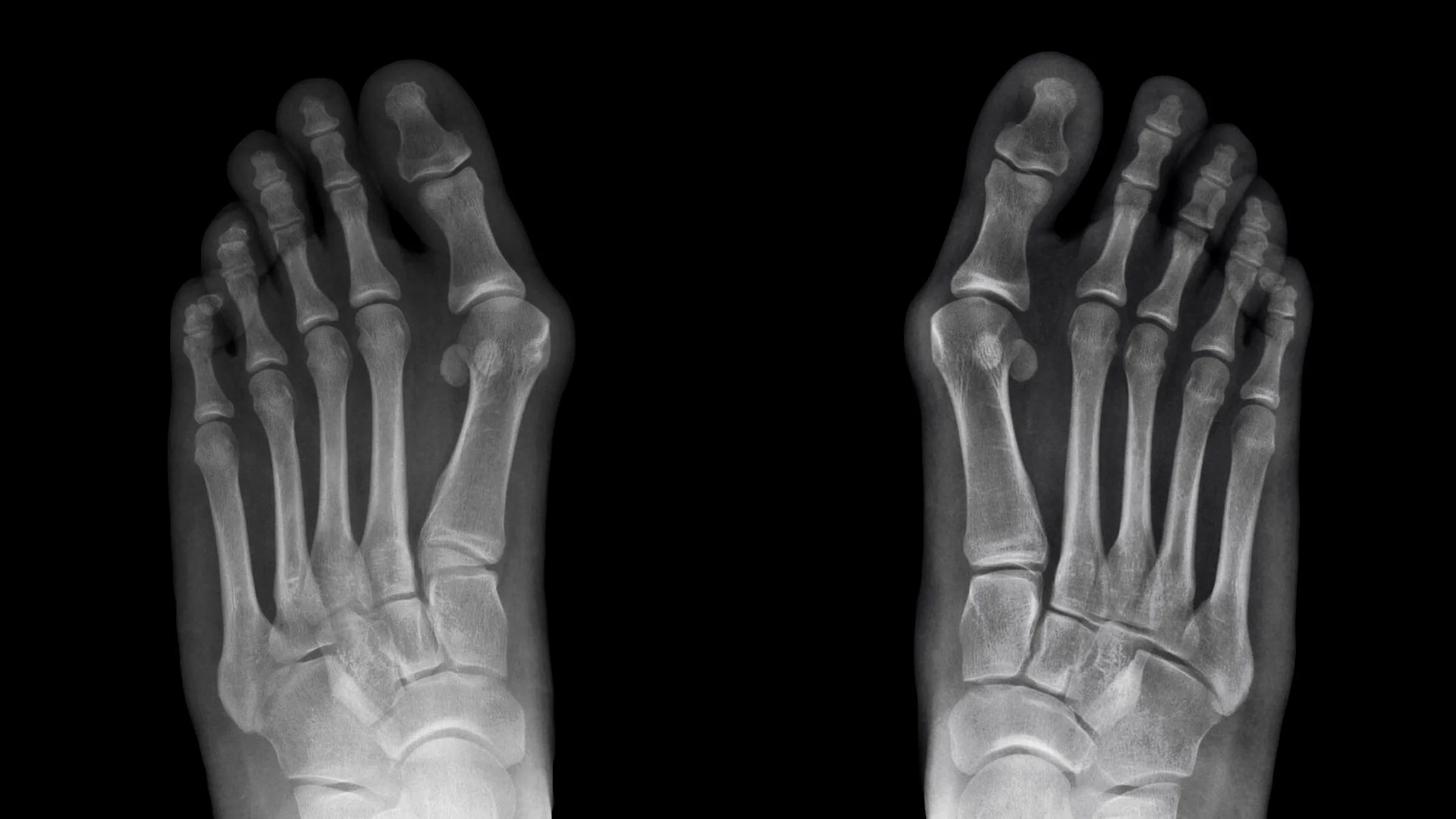
Bunions are bony knobs on the foot that appear at the joint at the base of the big toe. Left untreated, a bunion (hallux valgus) can become painful and may impair your ability to walk normally.
People with bunions often choose to undergo surgery to correct the physical deformity and related pain. There are several types of bunion surgery. And they all typically involve repositioning the misaligned bones, repairing nearby tendons and ligaments, and possibly fusing the joint.
Bunion correction surgery is one the most common forefoot surgeries, with more than 350,000 procedures performed annually in the U.S.
Search and compare options
Bunion correction surgery — also known as bunionectomy — usually costs about $6,000 or more per foot. Factors such as the complexity of the procedure and your insurance status will affect what you pay. If you have health insurance, your plan may cover some or all of the costs of the surgery. However, you still may need to meet your deductible or pay other out-of-pocket expenses, such as copays or coinsurance.
Cost of bunion surgery
According to a 2022 paper about orthopedic surgery costs, which looked at more than 100,000 bunion repairs, the average cost for a bunion repair at an ambulatory surgery center was $5,616. The average cost rose to $8,139 when the procedure was performed in a hospital outpatient department.
Where you live also matters. While MDsave — which allows you to compare pre-negotiated prices and find financing for procedures — estimates the national average cost for bunion removal at around $11,000, it reports an average price of about $6,000 for the Houston region. For the Denver region, by comparison, the reported average price is more than $7,000.
Many factors affect the cost of bunion surgery, including:
Inpatient versus outpatient care: Most bunion surgeries are performed in an outpatient setting. However, inpatient care and emergency procedures typically cost more.
Outpatient surgery setting: Bunion surgery at an ambulatory surgery center costs less than outpatient hospital procedures.
Bunion severity: Mild-to-moderate bunions often require minimal treatment and cost less to repair than severe ones.
Surgery type: Usually, more conservative procedures are less expensive. Complex surgeries tend to have higher costs.
Treatment for related conditions: Correcting hammertoes during bunion surgery, for instance, could affect the total cost.
Surgeon’s experience: Highly experienced foot and ankle surgeons may charge more.
Postoperative treatment: Follow-up care, prescription medications, and additional procedures may affect costs.
Types of bunion surgery
If you choose to undergo bunion surgery, a foot and ankle surgeon can help you decide which procedure is best. There are more than 100 correction surgeries for bunions. Some of the more effective ones are:
Minimally invasive bunionectomy: This procedure can treat mild-to-moderate bunions with minimal or no scarring and minimal postoperative pain. And the recovery time is typically brief.
Chevron osteotomy bunionectomy: This procedure is for mild bunions or deformities. It involves cutting into the metatarsal bone behind the big toe joint and adjusting the toe’s position.
Lapidus bunionectomy: This procedure is for severe bunions. The surgeon fuses the joints between the metatarsal bone and a smaller bone in the midfoot to correct the bunion. One trademarked lapidus procedure is the Lapiplasty, which uses specific orthopedic hardware to address the root causes of the bunion with a 3D realignment of the bone structure.

Read more like this
Explore these related articles, suggested for readers like you.



What can you expect to pay out of pocket for bunion surgery?
What you pay out of pocket for bunion surgery depends on whether you have insurance. If you do not have insurance, your insurance doesn’t cover bunion surgery, or you want to self-pay, you should ask for a “good faith estimate” concerning the costs for your surgery. You also may be able to negotiate your price upfront and pursue discounts.
If you are covered by original Medicare, you will need to meet your Medicare Part B deductible before your plan will cover any costs. Once you meet your deductible, you will be responsible for 20% of the Medicare-approved amount for treatment. For hospital outpatient care, your out-of-pocket costs also will include a copayment.
If you have Medicare Advantage or a commercial insurance plan, you may have out-of-pocket costs, such as:
A deductible
Coinsurance
Copayments
You may also have minimal out-of-pocket costs if you are covered by Medicaid.
Does insurance cover bunion correction surgery?
Whether your insurance plan will cover your bunion correction surgery or not depends on a few factors, such as:
Bunion severity
Other conditions that need to be corrected, like hammertoe
Whether the surgery is deemed medically necessary
In general, bunion surgery is covered by original Medicare. According to a price comparison for Medicare beneficiaries, the out-of-pocket costs for a bunionectomy at an ambulatory surgical center are less than at a hospital outpatient department.
Medicare Advantage plans must offer benefits that equal or exceed original Medicare’s benefits. But coverage denial because of prior authorizations may decrease access to bunion surgery for Medicare Advantage enrollees.
Because the procedure can be considered cosmetic, some commercial insurance and Medicaid plans may not cover bunion surgery in some cases.
What additional costs can you expect to pay after bunion surgery?
Here are some potential additional costs associated with bunion surgery:
Bunion splints to improve toe alignment
Cortisone injection for joint pain relief and reduced swelling
Custom orthotics to improve your gait
Follow-up treatments, especially if there are post-surgery complications
Lost income or productivity from time off from work for consultations, surgery, or recovery
Transportation related to the surgery and other medical appointments
Pain medication (over the counter or prescription)
Other joint pain relief solutions, like topical gels, creams, or patches that deliver medications such as diclofenac and lidocaine
Can bunions grow back after surgery?
Many people who have corrective surgery never develop bunions again. This doesn’t mean they can’t grow back, though.
Bunions can grow back within several months or years of having surgery. This typically only happens to those who are genetically predisposed to them, or who continue to wear ill-fitting shoes after treatment.
An international analysis of research on bunion recurrence after various surgical procedures found that about 25% of patients had the condition again. Adolescents also have a high bunion recurrence rate post-surgery as their feet continue to develop.
How do you treat bunions without surgery?
The only way to remove bunions is with correction surgery. However, most foot and ankle specialists will recommend surgery only if the condition is severe and other noninvasive treatments aren’t working.
If you cannot or choose not to get surgery, here are some ways to treat bunions:
Choose the right shoes. Wearing high heels as well as cramped or tight shoes could raise the risk of bunions or make them worse.
Get special cushions or pads. If you’ve developed calluses or corns around a bunion, use pads to ease pressure and pain.
Use a toe spreader. These go between the first and second toes and can reduce pain related to bunions. Custom-made ones may require a prescription, but there are over-the-counter (OTC) options.
Use an ice pack. Applying ice for 20 minutes at a time can lessen swelling and pain in the affected joint. But make sure there’s a barrier (like a cloth or towel) between the ice and your skin to prevent skin injury. Speak with a healthcare professional before doing ice therapy if you have a history of cold-related conditions.
Take OTC pain relievers. Ibuprofen, naproxen, and other OTC medications can temporarily reduce inflammation and ease pain.
For more advanced or painful bunions, here are a few additional treatments you can try:
Take prescription nonsteroidal anti-inflammatory drugs (NSAIDs). If you have painful bunions due to a medical condition such as arthritis, prescription NSAIDs could help.
Use custom orthotics. These inserts go inside the shoe and can help alleviate pain and prevent a bunion from becoming worse.
Get physiotherapy or orthotic therapy. There are various foot-strengthening exercises that can boost mobility and ease the pain. If you have flat feet, orthotic therapy could help reduce foot pain by training you to redistribute pressure when you walk.
Nonsurgical techniques can help slow down changes to the foot bones while limiting pain and swelling. However, if you’re experiencing chronic pain or limited physical activity, you may need bunion correction surgery. Before going this route, discuss the possible benefits and complications with your healthcare professional.
The bottom line
Bunion correction surgery can cost $6,000 or more per foot. Some health insurance plans will cover all or part of the surgery if the procedure is deemed medically necessary. Other health insurance plans consider bunion surgery cosmetic and do not cover the procedure.
If you do not have insurance, your surgery is not covered by your plan, or you prefer to self-pay, you may be able to negotiate your costs upfront. Even if your surgery is covered by insurance, you may have out-of-pocket costs, such as a deductible or copayments, as well as additional expenses during your recovery. Depending on the severity of your bunion, there may be nonsurgical ways to ease pain and limit swelling. Speak with a foot and ankle surgeon or another healthcare professional to help you find out if surgery is right for you.

Why trust our experts?




References
Albright, R., et al. (2022). Are radiographs associated with patient satisfaction after scarf bunionectomy? The Journal of Foot and Ankle Surgery.
CostHelper Health. (n.d.). Bunion treatment cost.
Ezzatvar, Y., et al. (2021). Prevalence and predisposing factors for recurrence after hallux valgus surgery: A systematic review and meta-analysis. Journal of Clinical Medicine.
Haddad, S. L. (2016). Bunion surgery. OrthoInfo.
Harvard Health Publishing. (2024). What to do about bunions.
Journal of Orthopaedic and Sports Physical Therapy. (2016). Bunion: Strengthening foot muscles to reduce pain and improve mobility.
Kaiser, P., et al. (2018). Radiographic evaluation of first metatarsal and medial cuneiform morphology in juvenile hallux valgus. Foot and Ankle International.
Kuhn, J., et al. (2023). Hallux valgus. StatPearls.
MDsave. (n.d.). Bunion removal.
MDsave. (n.d.). Bunion removal [Denver, CO].
MDsave. (n.d.). Bunion removal [Houston, TX].
Medicare.gov. (n.d.). Correction, hallux valgus (bunionectomy), with sesamoidectomy, when performed; with distal metatarsal osteotomy, any method.
Medicare.gov. (n.d.). Costs.
Medicare.gov. (n.d.). Foot care.
Medicare.gov. (n.d.). Outpatient hospital services.
Modern Foot & Ankle. (2024). Lapiplasty bunion surgery pros and cons: A comprehensive guide for informed decisions.
Park, C. H., et al. (2019). Forefoot disorders and conservative treatment. Yeungnam University Journal of Medicine.
The Bunion Institute Education Team. (2022). So many types of bunion surgery! What’s the difference? The Bunion Institute.
Toledo, P., et al. (2023). The effect of Medicare coverage on access to bunionectomies among the elderly population: A secret shopper study. The Journal of the International Foot & Ankle Foundation.
Wang, K. Y., et al. (2022). Ambulatory surgery centers versus hospital outpatient departments for orthopaedic surgeries. Journal of the American Academy of Orthopaedic Surgeons.