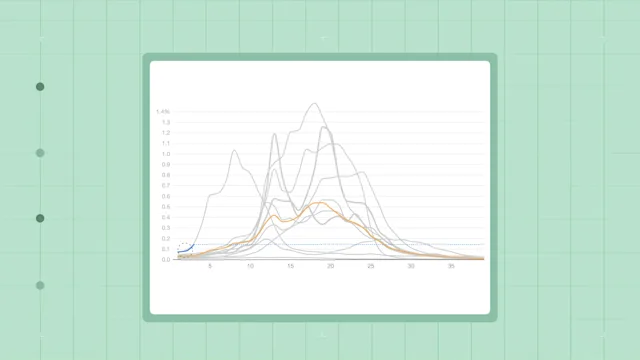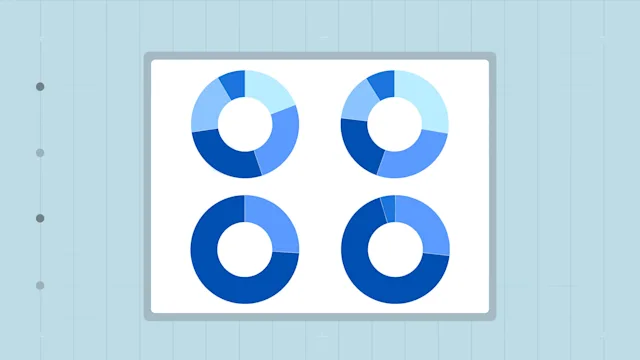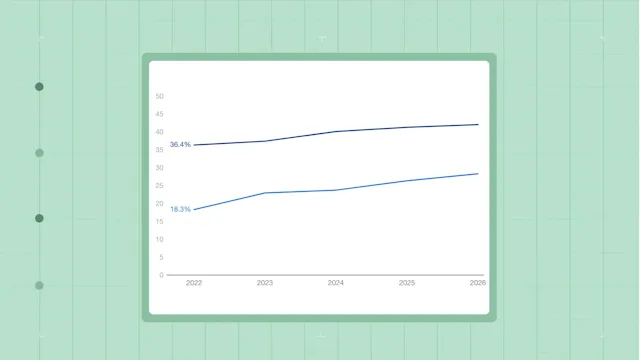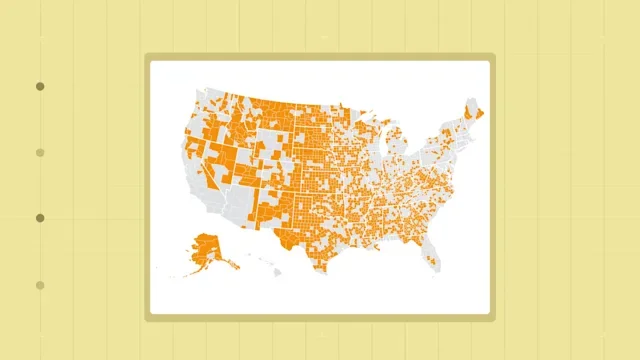
GoodRx Research created a prescription out-of-pocket spending tracker to report on what it’s like to be a patient at the pharmacy, including costs, coverage issues, and other problems people run into when filling prescriptions.
To estimate the burdens consumers face trying to access their prescription medications, we tapped into multiple data sources, including national claims data and large, representative surveys. We detail these sources below. These numbers are our best estimate of the costs patients encounter at the pharmacy, given the most current data available.
However, these estimates will not necessarily determine future estimates, which will incorporate new and relevant data as appropriate.
Disclaimer: The statements, findings, conclusions, views, and opinions contained and expressed in this article are based in part on data obtained under license from the following information service(s): IQVIA OPC Report, April 2024 to March 2025, IQVIA Inc. All Rights Reserved. The statements, findings, conclusions, views, and opinions contained and expressed herein are not necessarily those of IQVIA Inc. or any of its affiliated or subsidiary entities. Any analysis is independently arrived at by GoodRx, on the basis of the data and other information.
Retail prescription medication costs
To estimate the number of prescriptions filled and out-of-pocket spending to date in 2024, we tracked paid claims in a third-party national sample of all-payer prescription claims. We focused on retail prescription medications. We excluded medications that a healthcare professional must administer and medications administered in a hospital inpatient or long-term care setting.
To get a national estimate of retail prescription medication costs, we used estimates from IQVIA and Drug Channels Institute to adjust third-party sample claims by applying a multiplier based on data from 2022 to 2023. We made additional corrections to account for pure cash-pay claim counts to ensure alignment across data sources. We also adjusted for missing claims due to outages at Change Healthcare caused by a cyber ransom attack.
Using these corrected third-party sample claims and the multiplier, we projected national totals for 2024 on both a monthly and year-to-date (YTD) basis.
To get a national estimate of retail prescription out-of-pocket spending, we used data from the Medical Expenditure Panel Survey and National Health Expenditure accounts to adjust third-party sample claims by applying a multiplier based on data from 2019 to 2022. We made additional corrections to account for missing claims caused by outages at Change Healthcare due to a cyber ransom attack.
Using these adjusted third-party sample claims and the multiplier, we projected national totals for 2024, both on a monthly basis and YTD.
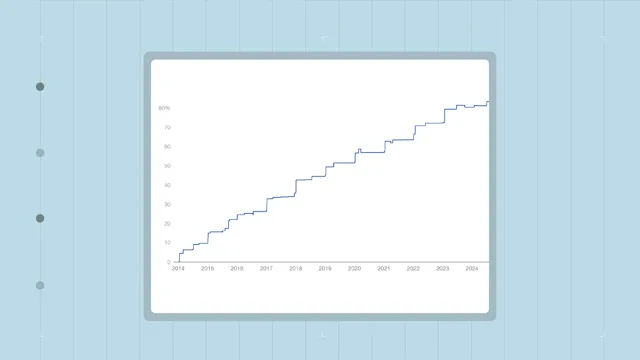
To track changes in prescription medication list prices, we used data on the published list prices set by the manufacturers of prescription drugs, and the prescription drug mix as dispensed by community retail pharmacies. We calculated our list price index daily, taking into account day-to-day changes in list prices and quarterly changes in the prescription drug mix. The index is based on the prescription medication mix as dispensed, so price changes in high-volume and high-cost drugs will have more impact on the index than low-volume and low-cost drugs.

Read more like this
Explore these related articles, suggested for readers like you.



Our list price index uses a nationally representative sample of prescriptions from each quarter to estimate the drug mix across all community retail pharmacies for that time period.
Medication costs by medical condition
To estimate average out-of-pocket medication costs for specific medical conditions, we used data from IQVIA on out-of-pocket spending and paid claims from the second quarter of 2024 to the first quarter of 2025.
For medications with more than one medical indication, we probabilistically estimated the share of claims attributed to each indication, based on diagnostic codes from a nationally representative third-party claims database. Average out-of-pocket cost per prescription for each condition reflects all retail prescription medications used to treat the condition, accounting for both on- and off-label use.
Insurance coverage trends
We reported insurance coverage trends based on GoodRx Research’s analysis of Medicare Part D formulary data and commercial formulary data from Managed Markets Insight and Technology, LLC™, a trademark of MMIT. More detail on the methodology is covered here.
Problems accessing prescription medications
We reported access to pharmacies based on GoodRx Research’s analysis of healthcare deserts. More detail on the methodology is covered here.
To estimate problems consumers face at the pharmacy counter that weren’t captured by claims data, we ran a survey of 1,000 Americans each month. Our survey is run through YouGov. More detail on the methodology is covered here.
In each month, we collect 1,000 responses. We weight survey responses to the U.S. population using age, gender, race, political affiliation, and education level. More information on the YouGov survey is available here.
To estimate the number of Americans who left a prescription at the pharmacy each month, we multiplied our survey’s incidence rate by the percentage of respondents who reported leaving at least one prescription at the pharmacy. This number was then multiplied by the total number of American adults, based on data from the 2019 American Community Survey from the U.S. Census Bureau.
References
Agency for Healthcare Research and Quality. (2023). Medical Expenditure Panel Survey.
Centers for Medicare & Medicaid Services. (2023). National health expenditure data.
Fein, A. (2024). The 2024 Economic Report on U.S. Pharmacies and Pharmacy Benefit Managers. Drug Channels Institute.
IQVIA. (2024). The use of medicines in the U.S. 2024: Usage and spending trends and outlook to 2028.
U.S. Census Bureau. (2019). 2019 data release new and notable.
YouGov. (2023). About YouGov.

Why trust our experts?