Key takeaways:
Shortages of Adderall (and its generics) have led to an increase in fills for other types of ADHD medications.
The FDA approved lisdexamfetamine, a Vyvanse generic, in August 2023.
Lisdexamfetamine remains in shortage. But generic fills now surpass the brand.
Save on related medications
The FDA first announced a shortage of Adderall in October 2022. Since then, patients have struggled to obtain medications for attention-deficit hyperactivity disorder (ADHD).
Manufacturers, as well as the FDA and DEA, have pointed to several factors contributing to the shortage. These include manufacturing delays, record-high prescription rates, and unfulfilled production quotas.
Some people have turned to other medications. But an increasing number of those options are also in short supply.
The FDA recently approved lisdexamfetamine. It is a generic for Vyvanse, a popular ADHD medication. This move looked like it could increase access for patients seeking Adderall alternatives. However, the medication is also now in shortage.
We’ll review how ADHD prescription fills have changed because of the shortage, and why lisdexamfetamine’s approval hasn’t improved the situation.
Fills for Adderall have dipped, while fills for other ADHD medications have risen
For adults, medication is the first line of treatment for ADHD. And there are many options.
ADHD medications can be broadly classified as stimulants or nonstimulants. Stimulants come in short-acting or long-acting versions. They typically work better and start to treat symptoms faster than nonstimulants. But they have a potential for misuse due to their active ingredients.
To analyze prescribing trends, GoodRx Research looked at fills by active ingredient for the most popular ADHD medications (both stimulant and nonstimulant). For example, amphetamine salt combo is a stimulant medication. It’s the main active ingredient in both Adderall and Adderall XR, the long-acting version of Adderall. Methylphenidate, another stimulant medication, is the active ingredient for multiple brand-name medications such as Concerta, Adhansia XR, and Ritalin.
We found that the mix of ADHD prescription fills was relatively the same until the shortage began. In the third quarter of 2021, before the shortage, half of prescription fills for ADHD medications were for amphetamine salt combos. Most other fills were for other types of stimulants. In the third quarter of 2022, the last full quarter before shortages were first announced, the share was roughly the same.

Read more like this
Explore these related articles, suggested for readers like you.




After the Adderall shortage began, the landscape changed. Fills for other types of ADHD medications rose. From 2022 to 2023, lisdexamfetamine saw an increase in fill share by 4 percentage points. It went from 13% to 17% of all ADHD prescription fills. Other types of stimulants, like methylphenidate and dexmethylphenidate, also saw a slight uptick. Nonstimulant fills went up, as well.
This change in types of medications filled has continued into 2024, along with the shortage of some Adderall products.
Take our shortage poll
Vyvanse generic falls into shortage
After 16 years of patent protection, Vyvanse, a stimulant ADHD medication, finally went generic as lisdexamfetamine in August 2023.
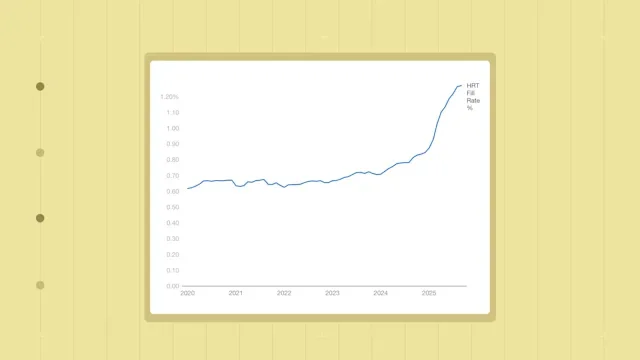
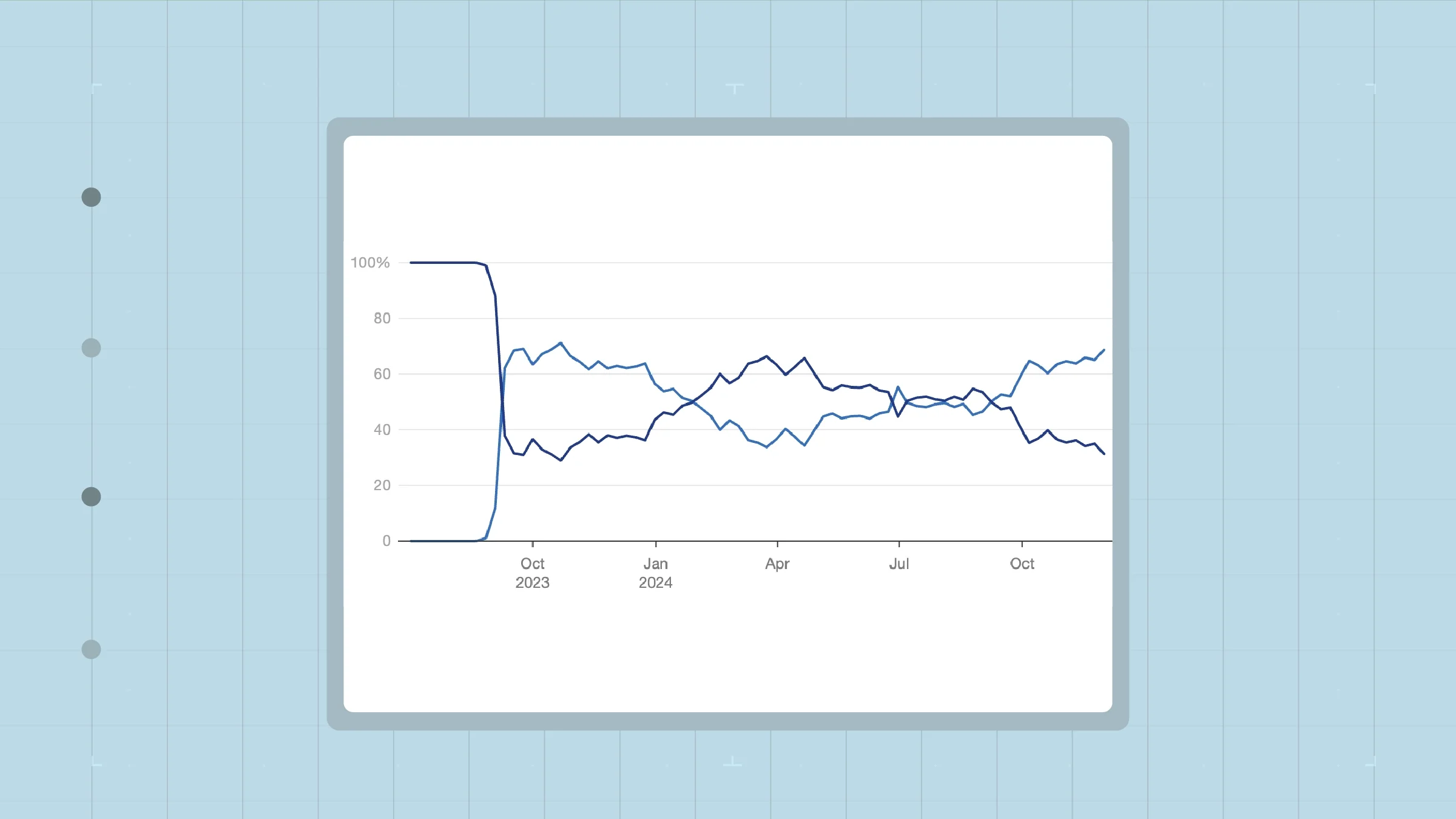
Following its approval, fill rates for the generic quickly rose. In October 2023, the generic accounted for 71% of prescription fills for ADHD medications with lisdexamfetamine as the active ingredient.
However, fills for the generic steadily declined as it went into shortage at the beginning of 2024. At the end of March 2024, the share of fills for the brand reached a peak of 66%. But even though the shortage is still active, fills for lisdexamfetamine have since seen a sizable uptick.
With the shortage announcement, several lisdexamfetamine manufacturers reported that medications were on backorder. However, some manufacturers have supply available, and fills for the generic are going up again.
Now, lisdexamfetamine fills are recapturing the majority of the market. This follows a recent DEA announcement that it is increasing the production quota for manufacturers by 24% to meet U.S. and global demand. This change allows for more production of both Vyvanse and its generics.
As fills for lisdexamfetamine increase, more patients are able to take advantage of the generic’s lower price. Vyvanse costs an average of $495 per 30-day supply without insurance. But the generic version costs an average of $313 without insurance.
Additionally, most patients will pay for these medications using insurance. Most insurance plans will likely have better coverage and lower copays for the generic compared to the brand name. Insurance plans may also place restrictions on the brand name, such as step therapy or prior authorizations.
Summing it all up
The FDA continues to tackle the ongoing Adderall shortage. In the meantime, patients must make do by rationing their medications or finding alternatives. Even with a new generic on the market, manufacturers still can’t keep up with the demand for ADHD medications. The DEA has increased medication quotas for 2024. But many people are still waiting for their preferred medications to become available.
Methodology
This GoodRx analysis is based on a representative sample of U.S. prescription fills (not GoodRx fills) and comes from several sources, including pharmacies and insurers. All medications with an indication for ADHD were included for this analysis, and grouped based on the active ingredient. The reported prices are based on average retail prices, the so-called “usual and customary” prices or retail prices at the pharmacy (not including insurance copays or coinsurance). Prices for Vyvanse and lisdexamfetamine were calculated using data from January 2024.
ADHD medications included in analysis:
Amphetamine salt combo: Adderall, Adderall XR, amphetamine salt combo, amphetamine salt combo XR
Methylphenidate: Adhansia XR, Aptensio XR, Concerta, Cotempla XR, Daytrana, Jornay PM, Metadate CD, Metadate ER, Methylin, Methylin ER, methylphenidate, methylphenidate CD, methylphenidate ER, methylphenidate LA, methylphenidate SR, methylphenidate XR, Quillichew ER, Quillivant XR, Relexxii, Ritalin, Ritalin LA, Ritalin SR
Other stimulant: Adzenys ER, Adzenys XR ODT, amphetamine ER, amphetamine sulfate, Azstarys, Desocyn, Dexedrine, Dexedrine Spansule, dextroamphetamine, dextroamphetamine ER, Dextrostat, Dyanavel XR, Evekeo, Liquadd, methamphetamine, Mydais, Procentra, Xelstrym, Zenzedi
Dexmethylphenidate: Dexmethylphenidate, dexmethylphenidate ER, Focalin, Focalin XR
Lisdexamfetamine: Lisdexamfetamine, Vyvanse
Nonstimulant: Atomoxetine, Clonidine ER, Guanfacine ER, Intuniv, Kapvay, Qelbree, Strattera
References
American Society of Health-System Pharmacists. (2024). Amphetamine mixed salts, immediate-release tablets.
American Society of Health-System Pharmacists. (2024). Lisdexamfetamine dimesylate capsules.
American Society of Health-System Pharmacists. (2024). Methylphenidate extended release oral presentations.
Federal Register. (2024). Adjustment to the aggregate production quota for lisdexamfetamine and d-amphetamine (for conversion) for 2024.
U.S. Food and Drug Administration (2023). FDA announces shortage of Adderall.
U.S. Food and Drug Administration (2023). FDA approves multiple generics of ADHD and BED treatment.
U.S. Food and Drug Administration (2023). Joint DEA FDA letter.

Why trust our experts?