Key takeaways:
Vulvovaginitis is a general term for conditions that can cause burning and itching sensations inside and outside the vagina.
You can ease vulvovaginitis symptoms at home with sitz baths and cool compresses.
Natural remedies like garlic, probiotics, and boric acid may also help you manage symptoms.
Vulvovaginitis — or simply vaginitis — is a general term for inflammation or infection of the vagina or the vulva. The vulva is the external genitalia. It’s made up of the structures around the vaginal opening that you can see, like the labia and mons pubis.
People with vaginitis can experience burning, pain, or itching inside the vagina or around the vulva. Some people also experience vaginal discharge and symptoms similar to a urinary tract infection (UTI), such as pain with peeing.
Causes of vaginal burning
Vaginal burning is sometimes caused by infection, but there are other reasons you may experience vaginal irritation. Common causes of vaginitis include:
Bacterial vaginosis, an overgrowth of bacteria in the vagina
Candidiasis, a yeast infection
Trichomoniasis, a sexually transmitted infection (STI)
Atrophic vaginitis, vaginal dryness caused by low estrogen levels
Sensitivities to products like soaps, condoms, or tampons
If you’ve had vaginal itching before, you may already have an idea of what’s causing your symptoms. But it’s best to see your primary care provider or gynecologist if these symptoms are new to you — or if they aren’t improving on their own with common at-home remedies.
A healthcare professional can help you figure out whether you’re experiencing symptoms because of an infection. If you have an infection, you’ll need treatment with antibiotics or antifungals.
Home remedies to treat vaginal burning
Even with the right treatment, it can take time for your vaginitis symptoms to go away. But in the meantime, there are things you can do to address your symptoms while you wait for treatment to start working.
Here are six self-care home remedies to treat vaginal burning.
1. Moisturizers
Gentle moisturizers can help soothe skin irritation, itching, and burning from vulvovaginitis.
Inflammation damages vulvar skin, and vaginal discharge can cause further skin breakdown. A gentle moisturizer creates a barrier between your irritated skin and vaginal discharge, clothing, and anything else that can cause more irritation.
You can apply a moisturizer to the skin of your vulva throughout the day whenever you need relief. But don’t apply moisturizer to the inside of your vagina. Make sure to wash your hands before and after applying moisturizer.
There are several over-the-counter (OTC) products marketed for vulvovaginitis relief. One example is Vagisil. The brand offers a range of moisturizing creams and wipes. Some products also contain low-strength steroids, which can offer additional itch relief.
There’s no “best” moisturizer for vaginitis. You can pick whichever brand is easiest to find and fits your budget. Just make sure the product is fragrance, dye, and alcohol free. These additives can irritate your already inflamed skin.

Read more like this
Explore these related articles, suggested for readers like you.




You can also opt for a tub of petroleum jelly, Vaseline, or Aquaphor. These products offer skin protection and are irritant free.
2. Cold compresses
A cold compress is a simple but effective way to relieve irritation, burning, and swelling from vulvovaginitis. Simply apply the cold compress to your vulva for 10 minutes.
You can make your own cold compress at home:
Run a clean washcloth under cold water and then apply it to your vulva.
You can run several washcloths under cold water and put them in your refrigerator. This will keep them cold throughout the day and give you a lasting supply of cool compresses.
Just make sure to wash the cloths after every use. Don’t reuse cloth compresses.
You can also try instant or reusable cold gel packs. You can find these at your local retail pharmacy or grocery store. You can also make your own cold pack by placing ice in a plastic bag.
Don’t apply bagged ice or frozen cold packs directly to your skin. This can lead to cold injury and further skin damage. If you’re using ice or a cold pack, wrap it in a clean cloth first. Then apply it to your skin.
3. Sitz baths
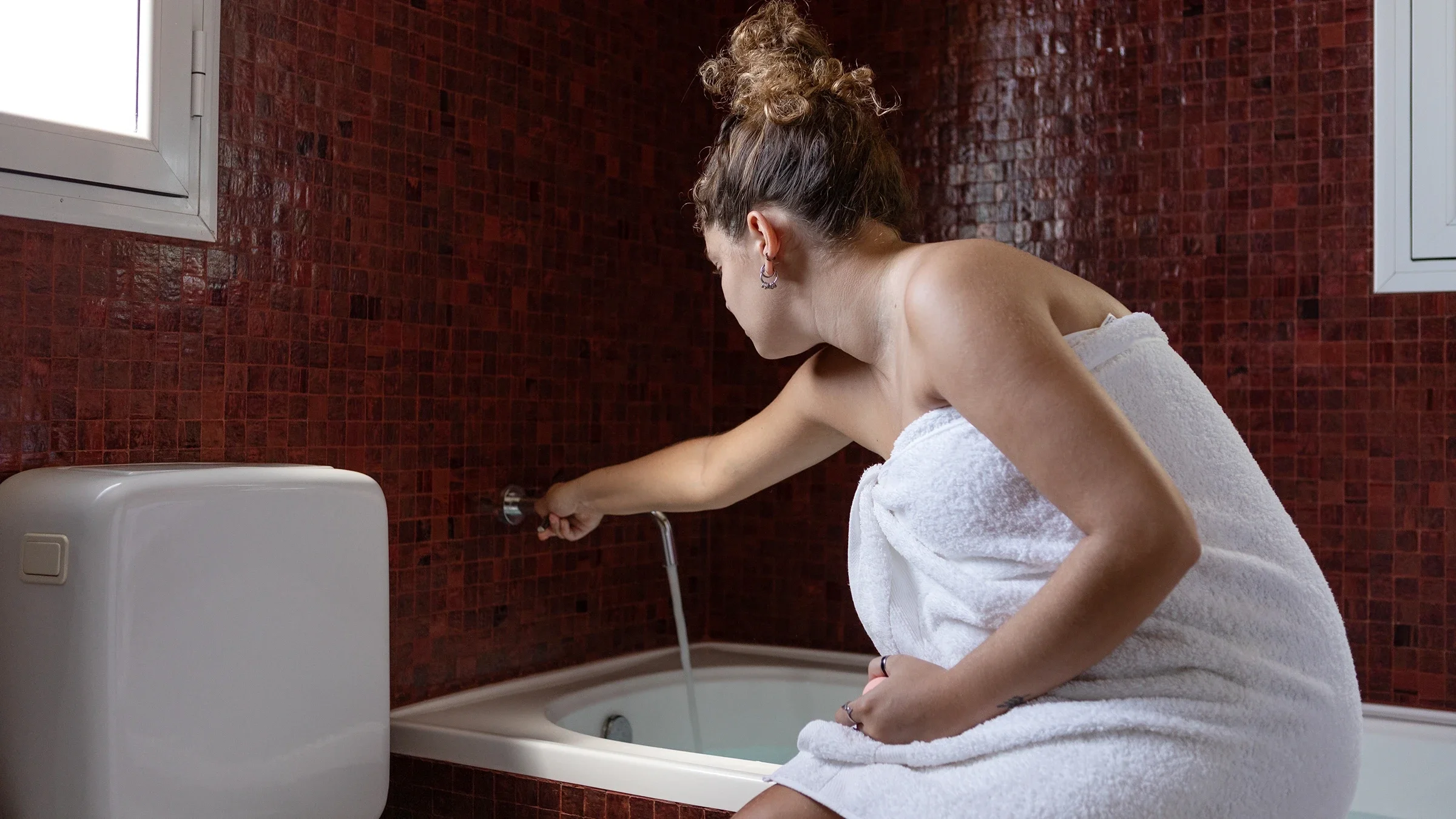
A sitz bath is a warm soak that can help relieve itching, burning, and pain from vulvovaginitis. You can make a sitz bath at home. All you need is a plastic basin or bathtub, warm water, and baking soda. Here’s how to do it:
First, add warm — not hot — water to your basin.
Add 1 tbsp to 2 tbsp of baking soda.
Then sit inside the basin for 10 to 20 minutes.
There should be enough water in your basin to cover your vulva. You don’t need to fill your basin completely.
If you don’t have a basin, you can fill your bathtub with 2 to 3 inches of warm water instead. Add 3 tbsp to 4 tbsp of baking soda and then sit inside the bathtub.
You can take a sitz bath whenever your symptoms bother you.
4. Probiotics
Probiotics are supplements or foods that contain live strains of Lactobacillus. Lactobacillus is one type of the “good” bacteria that lives in your vagina. When you don’t have enough Lactobacillus in your vagina, other bacteria start to take over. This can lead to bacterial vaginosis, which is a common cause of vaginitis.
Probiotics can treat vaginitis on their own. But there’s growing evidence that adding probiotics to antibiotics can help people recover from bacterial vaginosis faster. And probiotics may also prevent future episodes of vaginitis.
You can buy probiotic supplements at grocery stores, retail pharmacies, and specialty stores. Make sure to read the dosing instructions on the package. You can also try adding foods that are rich in probiotics to your diet. Yogurts and kefir contain probiotics. Fermented drinks like kombucha and foods like kimchi and sauerkraut naturally contain probiotics too.
5. Boric acid
Boric acid is a mild antiseptic. It’s available OTC as vaginal suppositories or capsules. You place the suppository or capsule inside your vagina. Don’t take them by mouth.
Boric acid can help maintain a healthy pH balance inside the vagina. Maintaining a healthy pH allows the “good” bacteria inside your vagina to thrive. This leaves less room for bacteria and fungus that cause vaginitis to grow.
Boric acid can’t treat vaginitis on its own. But it may help you get better faster when you use it along with antibiotics or antifungals.
Some research suggests that adding boric acid to your treatment plan can help treat vaginal infections and keep them from coming back. If you’re prone to vaginitis, a healthcare professional may recommend that you use boric acid long term — even after you’ve finished treatment with antibiotics or antifungal medications.
6. OTC antifungals
OTC antifungal medications can help if a yeast infection is causing vaginal itching.
OTC antifungals include clotrimazole and miconazole. They come as creams or vaginal suppositories. You may need to use these medications for 1 to 7 days.
Other helpful tips for vaginal burning
In addition to these home remedies, there are many self-care tips that can give you relief from vulvovaginitis symptoms.
Keep your vaginal area dry
Moisture can cause more skin breakdown and irritation. You want to keep your genital area as dry as possible. This can be tricky if you’re experiencing heavy discharge or have urinary leaking (incontinence). Here are some things to do:
Change your underwear throughout the day can help keep you dry.
Opt for cotton underwear, which is a breathable fabric and stops moisture buildup.
Take frequent bathroom breaks to gently pat your vulva dry.
And make sure to fully dry off after baths and showers. Pat your vulva dry instead of rubbing, which can further irritate your skin.
Opt for loose clothing
Avoid wearing tight pants. Instead, stick to loose pants, skirts, and dresses when you have vulvovaginitis. Tight clothing traps moisture against your skin, which will make your symptoms worse. Wear loose, cotton pajama pants without underwear for sleep. This will help prevent moisture from building up against your skin overnight.
Skip the soap
It’s important to keep your genital area clean when you have vulvovaginitis. But warm water is enough. Soap can further irritate and dry out your irritated skin. You also want to avoid:
Bath oils
Douches
Sprays
Powders
These products can make your symptoms worse.
How to prevent vaginal burning
It may not always be possible to avoid developing vaginitis. But there are some things you can do to reduce your chances of developing vaginal itching or burning. Follow these tips for good vaginal health:
Wash with mild, unscented soap.
Avoid feminine sprays and don’t douche.
Wear breathable cotton underwear.
Consider taking a probiotic.
Use condoms to reduce the risk of STIs.
When to seek medical care for vaginal burning
Seek medical care if vaginal burning doesn’t improve within a week with at-home treatment.
You should also see a healthcare professional if you:
Have a new sexual partner or you think you might have an STI
Are pregnant
Never had vaginitis before
Develop severe symptoms like pelvic pain or fevers, nausea, vomiting
Frequently asked questions
Some people notice itching or burning in their vulva or vagina during their period. Cyclic vulvovaginitis is vaginitis that happens at the same time during the menstrual cycle every month. It can be caused by hormone changes during the menstrual cycle or overgrowth of certain types of bacteria or yeast.
A burning sensation with urination can be a sign of UTI. When you have a UTI, the urethra — the small tube that moves urine out of the body from the bladder — becomes inflamed. This causes painful urination.
Burning while peeing can also be a symptom of vaginitis. If you have vaginitis, the tissue of the vulva can be irritated when urine touches it. This leads to a burning sensation when you pee.
There are a few reasons why you might have vaginal burning after sex. Vaginal dryness, contact irritation, and infection are common reasons.
Some people notice itching or burning in their vulva or vagina during their period. Cyclic vulvovaginitis is vaginitis that happens at the same time during the menstrual cycle every month. It can be caused by hormone changes during the menstrual cycle or overgrowth of certain types of bacteria or yeast.
A burning sensation with urination can be a sign of UTI. When you have a UTI, the urethra — the small tube that moves urine out of the body from the bladder — becomes inflamed. This causes painful urination.
Burning while peeing can also be a symptom of vaginitis. If you have vaginitis, the tissue of the vulva can be irritated when urine touches it. This leads to a burning sensation when you pee.
There are a few reasons why you might have vaginal burning after sex. Vaginal dryness, contact irritation, and infection are common reasons.
The bottom line
Vulvovaginitis is a general term that describes inflammation of the vagina and vulva. Some common causes of vaginitis include yeast infection, bacterial vaginosis, trichomoniasis, and vaginal irritation. Treatment for these conditions includes antibiotics and antifungals. But it can take time for these treatments to take effect.
In the meantime, you can use home remedies to relieve burning, itching, and other uncomfortable symptoms. Sitz baths, cool compresses, and gentle moisturizers can ease symptoms.

Why trust our experts?




References
MedlinePlus. (2022). Vaginitis - self-care.
Mei, Z., et al. (2022). The role of probiotics in vaginal health. Frontiers in Cellular and Infection Microbiology.
Mittelstaedt, R., et al. (2021). Data on safety of intravaginal boric acid use in pregnant and nonpregnant women: A narrative review. Sexually Transmitted Diseases.
National Institute of Child Health and Human Development. (2022). Can vaginitis be prevented? National Institutes of Health.
Ngan, V., et al. (2003). Cyclic vulvovaginitis. DermNet.
Planned Parenthood. (n.d.). What are the parts of the female sexual anatomy?
Tran, J., et al. (2023). Vulvovaginitis in children & teens. American Academy of Pediatrics.