Key takeaways:
A good colonoscopy prep (bowel clean out) is necessary for an accurate colonoscopy.
What you eat in the days before your colonoscopy can impact how thorough your bowel clean out is.
The best foods to eat before a colonoscopy include low-fiber foods, low-residue foods, and clear liquids.
Foods to avoid before a colonoscopy include nuts, seeds, and foods or drinks with red or purple dye.
The U.S. Preventive Task Force recommends adults with an average risk of colorectal cancer to get screened for colon cancer starting at age 45. That’s because colon cancer is the third most common cancer in the U.S.
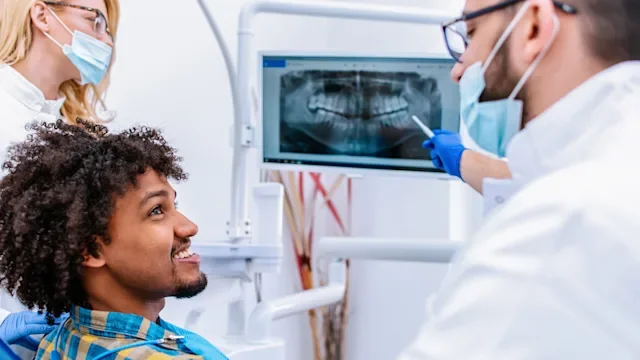
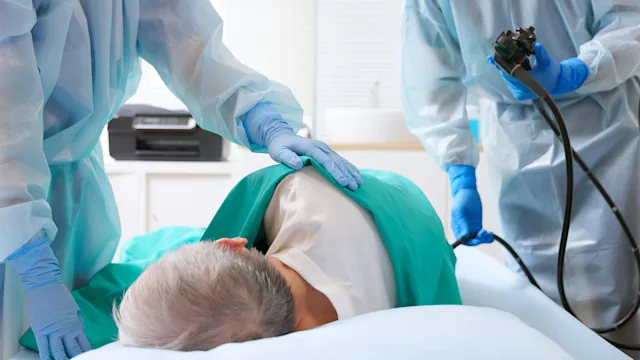
A colonoscopy is one of the most effective ways to screen for colon cancer. During the procedure, a gastroenterologist uses a thin, flexible tube with a small camera on the end to examine the inside of your colon. The tube is gently inserted through the anus and moved through the colon so the specialist can look for polyps, inflammation, or signs of cancer.
Before your colonoscopy, you’ll have to do a colonoscopy prep — also called a bowel clean out. The better the clean out, the better the specialist is able to see your colon. This allows you to get the best and most accurate results.
Search and compare options
Colonoscopy prep involves taking medications to remove stool from your bowels. The medications speed up how quickly stool moves through your bowels. But just taking your medication isn’t enough. You also have to adjust your diet in the days leading up to your colonoscopy.
Before your colonoscopy, you’ll receive specific instructions from your care team. But here are some general guidelines for what to eat before a colonoscopy — and what to avoid.
What to eat before a colonoscopy
In order to get a good bowel clean out, you’ll want to start paying attention to your diet several days before your colonoscopy. Let’s take a closer look at a typical timeline.
3 to 5 days before your colonoscopy
About 3 to 5 days before your colonoscopy, focus on the following foods.
Low-fiber foods
Fiber provides many health benefits, and it’s important to include high-fiber foods in your regular diet. But in the days before a colonoscopy, it’s helpful to follow a reduced-fiber diet. This means avoiding high-fiber foods like:
Raw fruits and vegetables
Legumes
Nuts
Seeds
Whole grains
That’s because high-fiber foods are likely to leave undigested material behind in your colon. This will make it harder for the specialist to see clearly inside your colon.
Instead, focus on low-fiber foods, like:
Dairy products
Lean meats
Fish
Tofu
Creamy peanut butter

Read more like this
Explore these related articles, suggested for readers like you.


Low-residue foods
“Residue foods” are foods that leave behind material in the colon after digestion. Fiber is one type of residue but some low-fiber foods can also leave some material behind in the colon after digestion. For example, dairy products don't contain fiber, but they can contribute to residue. That’s why many healthcare professionals recommend a low-residue diet before a colonoscopy.
Following a low-residue diet can help clear the colon before your procedure. In the long term, eating low-residue foods can lead to constipation. But, in the short term, it can help you achieve a better clean out before your colonoscopy.
Examples of low-residue foods include:
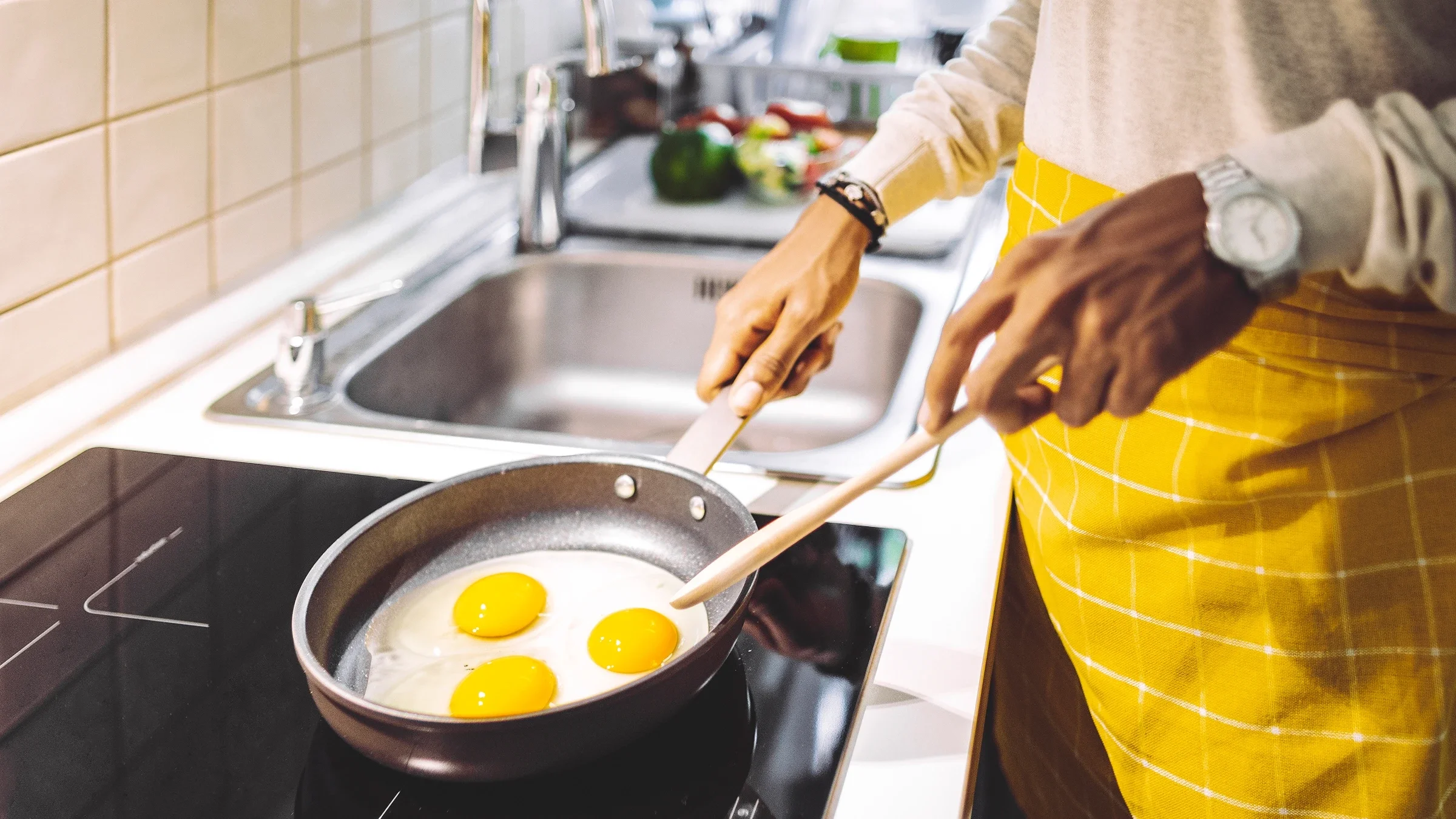
Eggs
Foods made from refined grains (such as breads, pastas, and cereals)
White rice
Fruits without seeds or skin (like bananas or peeled apples)
1 day before your colonoscopy
Many healthcare professionals will ask you to follow a clear liquid diet in the 24 hours leading up to your colonoscopy. That means avoiding solid foods and focusing on hydration instead. Clear fluids allow you to stay hydrated while your diet is restricted.
You can choose clear liquids like:
Clear broth or bouillon
Apple juice or white grape juice
Plain gelatin, like Jell-O (without red or purple dye)
Popsicles (without red or purple dye)
Sports drinks such as Gatorade (not red or purple)
Black coffee or tea (without cream or milk)
Day of your colonoscopy
The standard recommendation is usually:
No solid food
Clear liquids only
Nothing by mouth for several hours before the procedure (exact timing varies by clinician)
It’s important to keep drinking clear liquids up until the cutoff time, because the bowel prep process can dehydrate you. Most colonoscopy centers will require you to stop all liquids 2 to 4 hours before your procedure, though some may ask you to stop earlier.
What not to eat before a colonoscopy
Certain foods make your bowel clean out easier, but others make it more difficult. Avoid the following foods, which can impact your colonoscopy prep and affect your results.
High-fiber foods
In the days leading up to your colonoscopy, you’ll want to avoid foods high in fiber, including:
Raw fruit (especially fruit with skin)
Raw vegetables
Beans and lentils
Red and purple food dyes
Red or purple foods or dyes can leave behind a reddish color in your colon. This can sometimes be mistaken for blood or inflammation during the exam, which may make it harder to interpret the findings. So avoid any foods or drinks that contain red or purple dye for 48 hours before your colonoscopy.
Popcorn, nuts, and seeds
Stop eating popcorn, seeds, and nuts at least a week before your colonoscopy. One reason is that they’re high in fiber. But it’s not just that. The hull (outer part) of popcorn, nuts, or seeds can stay in your colon for several days. This can make it difficult for the specialist to see the lining of the colon. These particles can also occasionally clog the colonoscope or make it harder for the specialist to see the lining of the colon.
Make sure to avoid not only whole nuts but crushed nuts as well, including chunky nut butters.
Frequently asked questions
Following a clear liquid diet the day before your procedure can be challenging. The best way to curb hunger while following a clear liquid diet is to have a variety of the allowable liquids on hand. Juices, popsicles, and gelatins provide sugar, which can help maintain energy levels. Broth is a helpful savory option. Black coffee or tea are very helpful if you’re used to having these beverages as part of your daily routine.
You’ll know your colon has been cleared out thoroughly once your bowel movements become clear, pale yellow, and liquid. If you see particles or murky liquid in your stool, it’s possible your colon isn’t completely emptied out. If it’s time for your appointment and you think your colon may not be thoroughly cleared out, it’s a good idea to check in with your healthcare team.
Following a clear liquid diet the day before your procedure can be challenging. The best way to curb hunger while following a clear liquid diet is to have a variety of the allowable liquids on hand. Juices, popsicles, and gelatins provide sugar, which can help maintain energy levels. Broth is a helpful savory option. Black coffee or tea are very helpful if you’re used to having these beverages as part of your daily routine.
You’ll know your colon has been cleared out thoroughly once your bowel movements become clear, pale yellow, and liquid. If you see particles or murky liquid in your stool, it’s possible your colon isn’t completely emptied out. If it’s time for your appointment and you think your colon may not be thoroughly cleared out, it’s a good idea to check in with your healthcare team.
The bottom line
What you eat before a colonoscopy can affect how well your colon is cleared out and how accurate your results are. For the best colonoscopy prep, focus on low-fiber and low-residue foods for several days before your procedure, then switch to clear liquids the day before. This is the hardest part for most people. But having the right supplies on hand makes the experience a lot easier. Following your healthcare team’s instructions closely can help ensure a successful colonoscopy.

Why trust our experts?




References
American Cancer Society. (2025). How to prep for a colonoscopy: Diet tips, when to start, and more.
American Cancer Society. (2026). Key statistics for colorectal cancer.
D’Ambrosio, A. (2013). Low residue diet. Gastrointestinal Society.
MedlinePlus. (2024). Clear liquid diet.
National Institute of Diabetes and Digestive and Kidney Diseases. (2023). Colonoscopy.
Saltzman, J. R., et al. (2015). Bowl preparation before colonoscopy. Gastrointestinal Endoscopy.
Shah, N. D., et al. (2015). Low residue vs. low fiber diets in inflammatory bowel disease: Evidence to support vs. habit? Practical Gastroenterology.
U.S. Department of Veterans Affairs. (2026). Low-fiber diet for colonoscopy preparation.
U.S. Preventive Services Task Force. (2021). Colorectal cancer: Screening.
Vanhauwaert, E., et al. (2015). Low-residue and low-fiber diets in gastrointestinal disease management. Advances in Nutrition.