Lowest discount prices for drugs
[Summary Here]
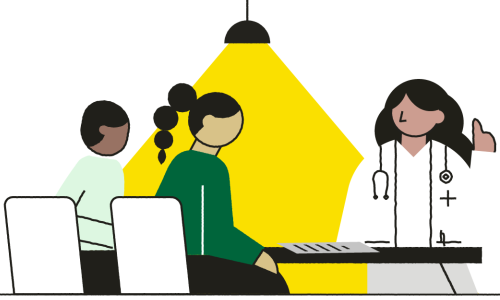


Your life matters. And your health matters. That’s why you need access to trusted information to help you make the best health and lifestyle decisions for you and your loved ones. You’ve come to the right place.
[Summary Here]
Here’s the reality: There are unique health challenges that you will face as a Black person in America. We have something here for you — whether you’re a young adult just starting out on your wellness journey or an older adult with many health conditions.
Here you’ll find expert health information written and reviewed just for you — by Black healthcare professionals you can trust. We’re here to help you navigate your health and wellness, no matter where you are in your healthcare journey.


Heart disease is the leading cause of death in the U.S. It’s responsible for roughly 1 out of every 5 deaths each year. And the rates of heart disease in the Black community are staggering as compared to those in the white community. In fact, Black people are 30% more likely to die from heart disease.
There are many risk factors that may make you more likely to develop heart disease. Unfortunately, the Black community often has higher rates of each of these risk factors. And Black people often have multiple risk factors at the same time, increasing their risk even further.
Common risk factors for heart disease include:
High blood pressure
High cholesterol
Poor dietary habits
Lack of physical activity
Managing chronic conditions that put you at risk for heart disease will help improve your overall heart health. And, in many cases, you can also decrease your risk with lifestyle changes. Here are some steps you can take toward improving your overall heart health:
Eat a balanced diet (including fruits, veggies, and whole grains).
Get moderate-intensity exercise for 150 minutes per week.
Quit smoking (or don’t start).
Get more good-quality sleep.
Try to reduce your stress.
Everyone’s lived experience as a Black person in the U.S. is different. We’ve got resources to help you wherever you may be on your mental health and wellness journey.
[Summary Here]
There’s no denying the unique stress the Black community faces as a result of systemic racism and inequality. This can also affect your ability to access mental health services when you need them.
Mental health conditions affect every race, but Black people are less likely to be treated for it. Only 1 in 3 African Americans who need mental health services ever receive treatment. And the differences don’t end there.
As compared to other races, Black people are:
Less likely to be offered counseling
Less likely to receive care according to medical guidelines
More likely to be hospitalized for mental health symptoms
More likely to be incarcerated due to mental health symptoms
More likely to be misdiagnosed with schizophrenia
Know that you’re not alone. We’re here to empower you to seek the resources you need. Maybe your goal is self-care to preserve your mental health. Or perhaps you have a mental health diagnosis. These tools may lend you some support:
Black Emotional and Mental Health Collective (BEAM): This group is aimed at removing barriers to access.
Black Men Heal: This nonprofit offers free mental health services for Black men on a limited basis.
Black Mental Health Alliance: This alliance provides information, resources, and a “Find a Therapist” locator.
Brother You’re on My Mind: This organization raises awareness about the mental health challenges that affect Black men and families.
Melanin and Mental Health: This group connects individuals with culturally competent clinicians.
Ourselves Black: This group promotes mental health and positive coping mechanisms.
Therapy for Black Girls: This online space is dedicated to encouraging the mental wellness of Black women and girls.
Here are some more online directories that can help you find mental health providers:
Diabetes is a condition that can cause blood glucose (sugar) levels to be too high. This happens when the body can’t change the food you eat into the energy it needs.
Depending on the type of diabetes, the body either doesn’t make enough insulin (Type 1), or the body can’t use it well (Type 2). Treating diabetes can help you stay healthy and avoid serious complications.
For many people with diabetes, managing it can feel overwhelming. Having the support you need to navigate your care can improve the journey. Here are some resources to help.
African American adults are twice as likely to develop diabetes than white adults. And this is a serious concern because of the health effects that untreated or undertreated diabetes can cause over time.
Serious complications of diabetes include:
Nerve damage
Poor dental health
Blindness
Hearing loss
No matter what your treatment plan is for diabetes, we’ve got resources to support you.
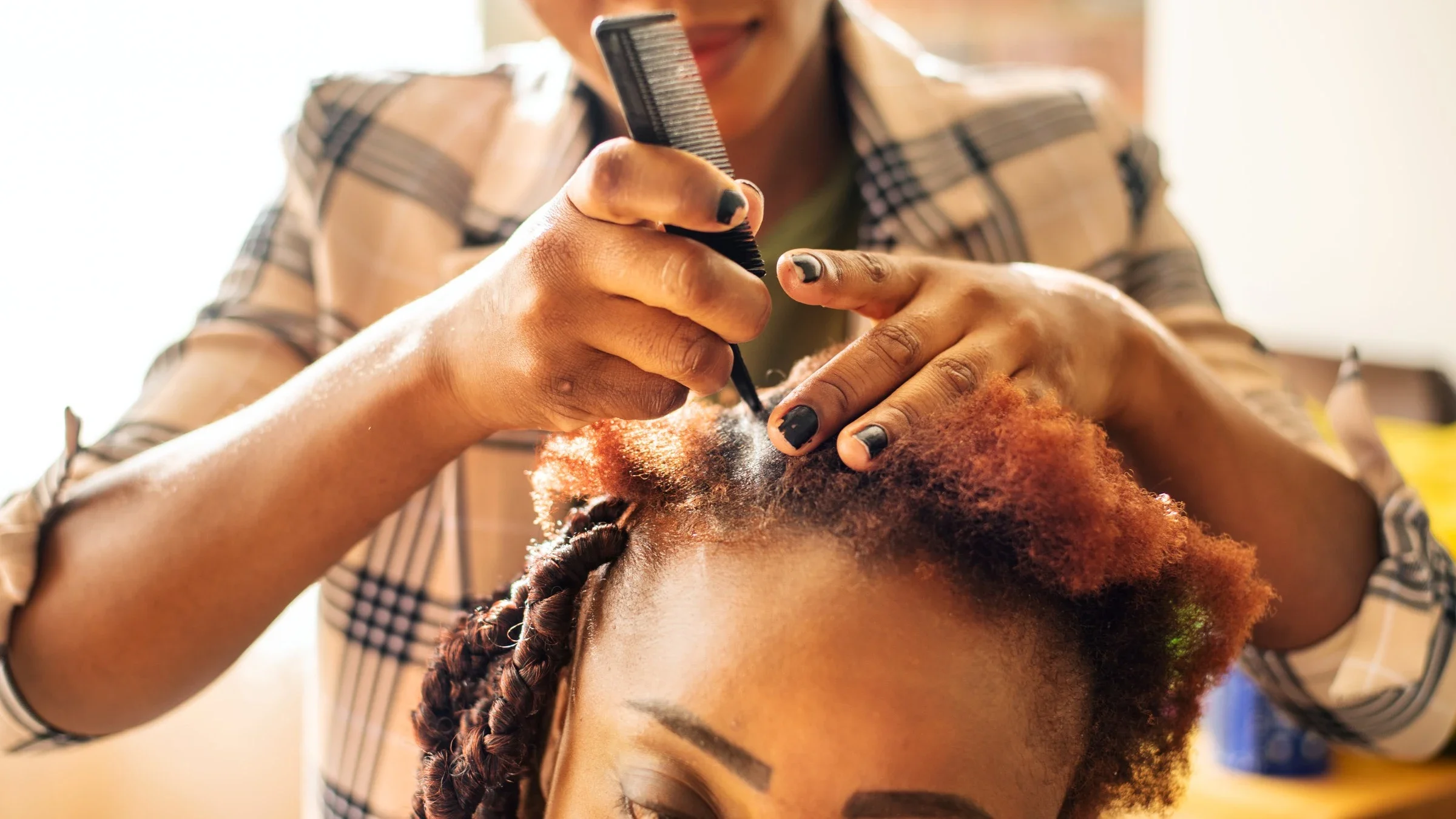
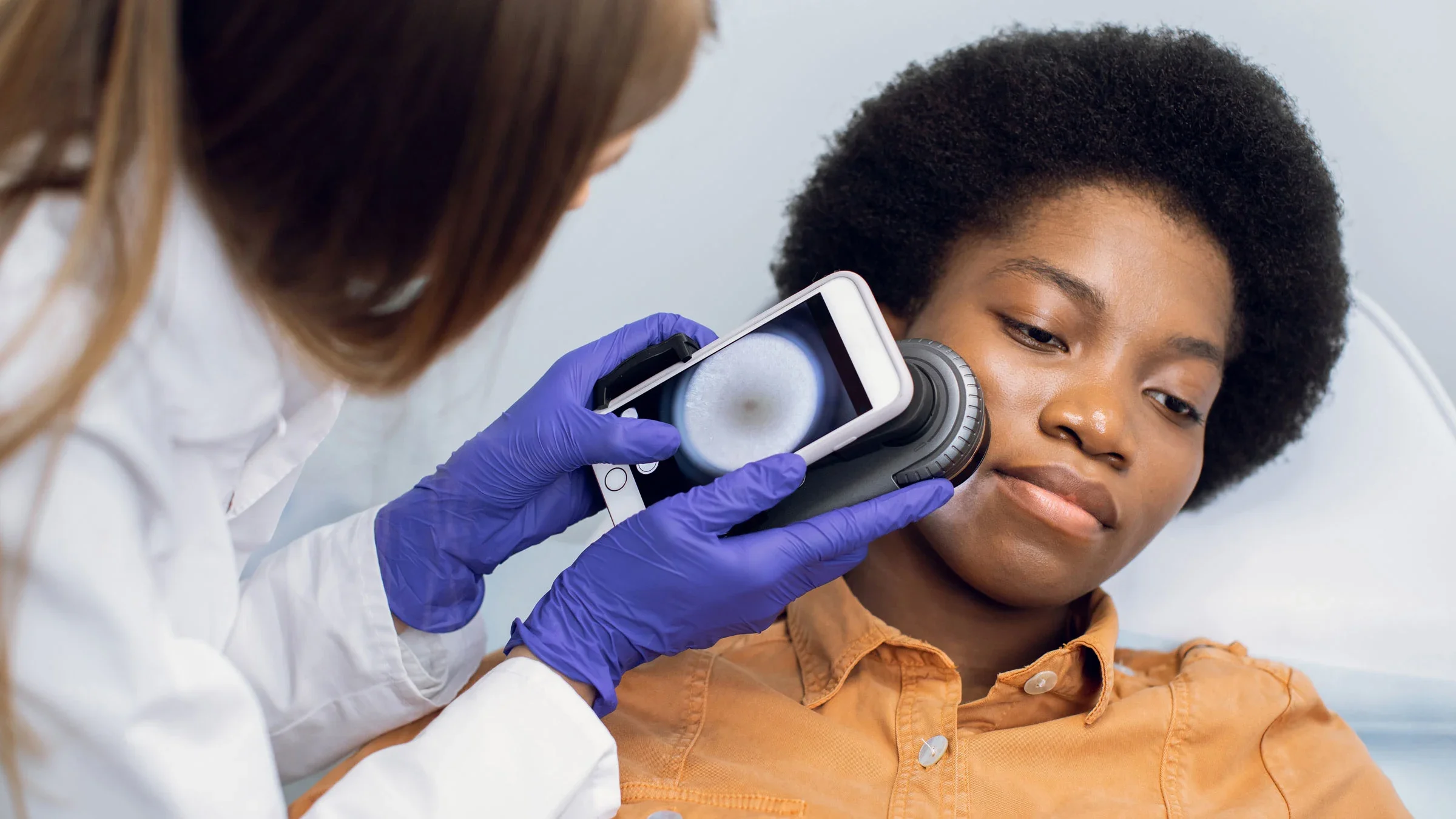
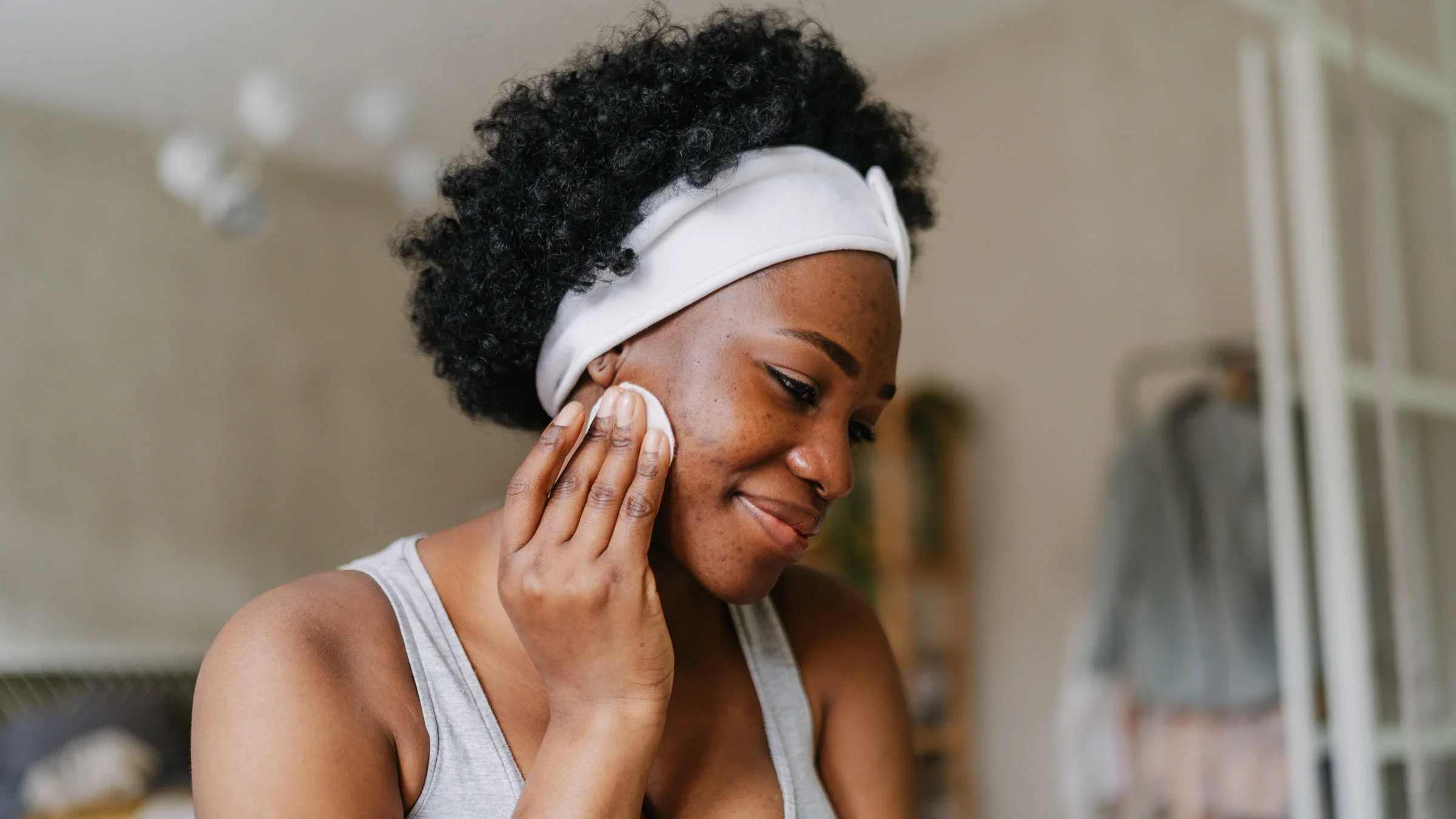
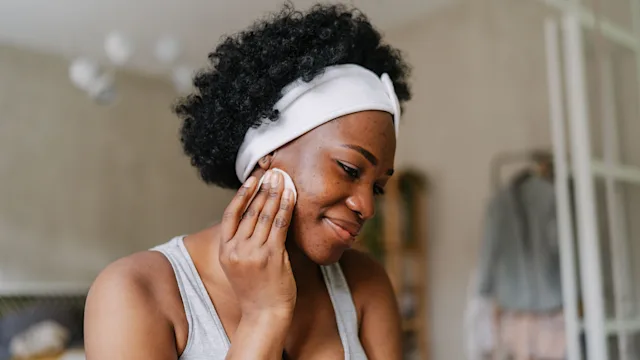
The skin and hair-care needs of the Black community are unique. Certain conditions affecting the skin may look and behave differently on black skin. And that can lead to delayed diagnosis and treatment. That’s why it’s important to seek care from a provider who is familiar with your skin tone and hair texture.
[Summary Here]
Common skin conditions that vary with darker skin tones include:
Keloids
Lupus
Sarcoidosis
Melanoma
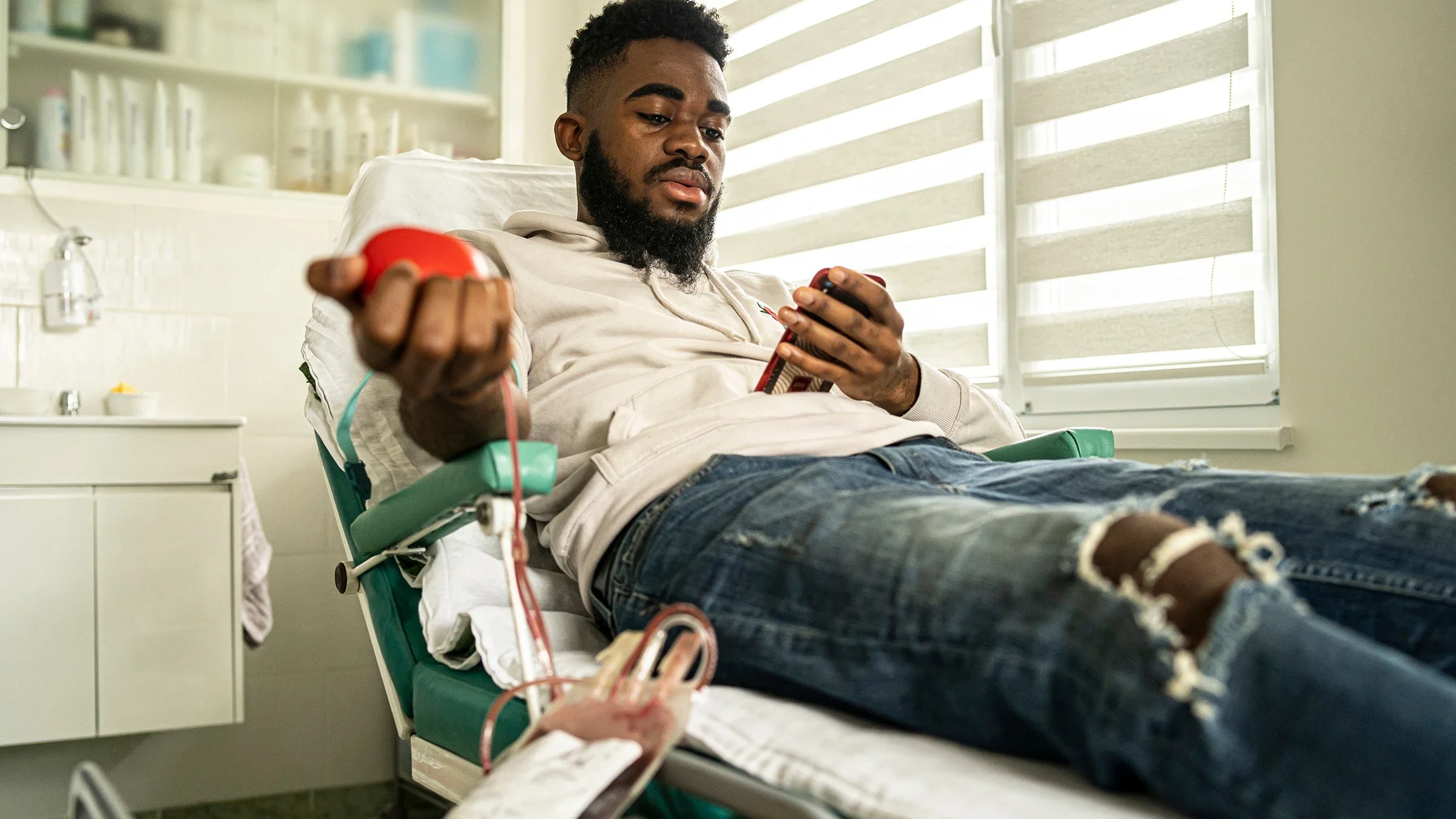
Sickle cell disease (SCD) is an inherited condition that causes red blood cells to change shape and clump together. In SCD, instead of having a round shape, red blood cells become shaped like a crescent or sickle. This prevents the red blood cells from moving easily throughout the body and reduces blood flow to organs and tissues.
The lack of proper blood flow in SCD can cause many serious complications. Health effects of SCD include:
Sickle cell crisis (acute, severe pain attacks)
Anemia
Chronic pain
Stroke
Bone problems
Lung problems
Spleen problems
Heart problems
Kidney disease
Infections
SCD is common in Black people. About 1 in every 365 babies born in the Black community will have SCD. This can happen when both parents carry the sickle cell gene or “trait.” Among Black people, 1 in 13 have the sickle cell trait.
Since SCD is so common, testing for the gene is very important. Most newborns are tested shortly after birth. But if you aren’t sure if you carry the gene, you can see your healthcare provider for more information on testing.
A healthy lifestyle looks different for everyone. Having a plan in place for healthy living can help you on your wellness journey. But wellness doesn’t just happen — you have to be intentional about it. And we’re here to give you the tools to be successful.
You may find that a healthy lifestyle includes:
Eating a balanced diet for your nutritional needs
Following a fitness routine to keep your body moving
Eliminating unhealthy habits and patterns
Keep in mind that, even with a health diagnosis, you can strive for wellness. Here are some lifestyle tips that may help if you or a loved one has a chronic illness:
Healthy eating to protect your heart
Self-care with endometriosis
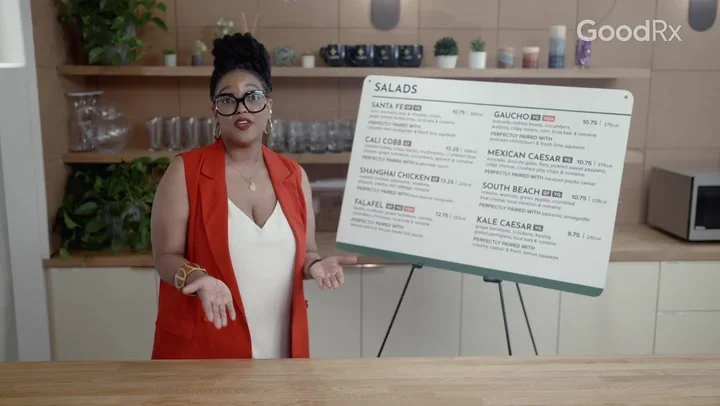
Eating out at restaurants with diabetes
Portion control with diabetes
Exercise for heart health
Self-care as a caregiver
How to talk about chronic illness with your partner
From lack of access to care to delayed diagnosis, Black people continue to have worse health outcomes in the U.S. As compared to white people, here are the hard facts about the health of Black Americans:
They develop chronic (life-long) conditions at earlier ages (like high blood pressure).
They have more advanced stages of illness at the time of diagnosis (like breast cancer).
They have much higher death rates for certain conditions (like childbirth and heart disease).
[Summary Here]
While there’s been some progress, and Black people are living longer overall, there are still disparities in health. Resources like this Black Health guide can help you have the information and resources you need to live your best and healthiest life.
Your access to healthcare services is important. Here you’ll find information on how to access the care you need to stay healthy or manage your medical conditions.
The Black community often faces barriers to accessing and using health resources. Social determinants of health (SDOH) are the environmental factors that can impact your health. This includes the conditions surrounding:
Where you were born
Where you live
Where you work
Where you learn
These factors span the effects of systemic racism in the Black community. Financial challenges and a lack of access to education and healthcare can affect your health. Examples of SDOH include:
Access to safe housing and neighborhoods
Quality education and job opportunities
Availability of healthy food options
Safe places for play and physical activities
Access to clean air and water supply
American Academy of Dermatology Association. (n.d.). Skin diseases and conditions in darker skin tones.
American Psychiatric Association. (2017). Mental health disparities: African Americans.

Here you can have a telehealth visit from the comfort of your home. Visits with GoodRx Care start at $19 with Gold membership.
Prescription savings
Stop paying too much for your prescriptions. Compare prices, get pharmacy coupons, and save up to 80%. Find expert answers to your health questions so you can make the best decisions for yourself and your family.
Health conditions
Medications & treatment
Access & affordability
Medication discounts