What is autoimmune disease?
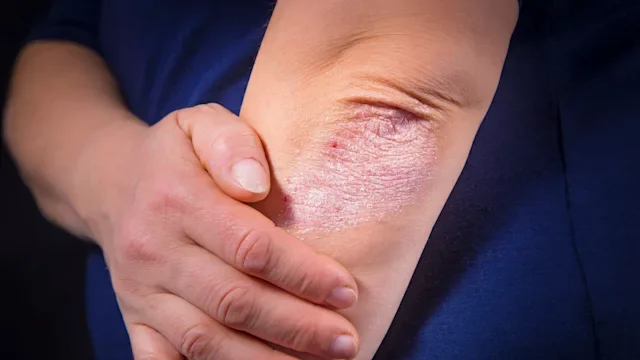
Your body’s immune system helps protect you from infections and disease. In people with an AID, the immune system mistakenly attacks the body’s own cells and tissues as though they were intruders. This can damage healthy tissues and organs throughout the body.
You might be at higher risk for autoimmune disease if you:
Are female
Have obesity
Already have another autoimmune condition
Have a relative with an autoimmune condition
Smoke
Take certain medications
There are over 100 autoimmune disorders. The most common ones include:
Rheumatoid arthritis (RA)
Multiple sclerosis (MS)
Graves’ disease
Addison’s disease
Autoimmune diseases affect 5% to 9% of the U.S. population.
Together, autoimmune conditions affect up to 9% of people in the U.S. — but this varies by gender, ethnicity, and geographic location. Autoimmune conditions also vary widely in their symptoms and severity and which organ systems they affect. However, they all share the same underlying problem: The body’s immune cells attack its own healthy cells.
The complete answer
Genes play an important role in the development of AID, but they are only one piece of this complex puzzle. When someone with a genetic predisposition (meaning their genes put them at risk) is in a certain environment, it can lead to an AID. Scientists don’t know for sure what causes these diseases, but there’s evidence that in people with certain genetic changes, AID may be triggered by a combination of:
Infections
Exposure to toxic chemicals
Medications
Lifestyle
Diet
Is there an “autoimmune disease gene”?
No, there is no one single AID gene. However, there are some main players.

Read more like this
Explore these related articles, suggested for readers like you.



The major histocompatibility complex (MHC) is a group of genes involved in many autoimmune conditions. The MHC carries the instructions for making many of the cells and molecules involved in the immune system. There are clear associations between specific HLA genes and certain autoimmune conditions, like:
There are also many genes outside of the MHC, scattered throughout your DNA, that play a role in immune function. Changes in these genes are seen in many autoimmune disorders. These include genes involved in T cell and B cell regulation and other immune functions.
Over 80 genes may be associated with the development of lupus.
What do we know about the link between genetics and autoimmune disease?
Based on the research, here’s what we know so far.
AID often runs in families: Having a family member with an AID increases your risk of having one. And when a family member has an AID, it not only makes you more likely to have the same disease, but also increases your risk of having a different one. Family studies tell us that genes play a big role in AID, but genes aren’t the whole story — especially since there are many people with affected family members who don’t have an AID themselves. For example, in studies of identical twins, if one twin has an AID, the identical twin only has the same autoimmune condition 25% to 50% of the time.
AID often affects specific groups of people: We know some groups of people are more likely to develop an AID. For example, women are more likely than men to have an autoimmune condition. Some disorders are also more common in certain ethnicities, like MS in white women of Northern European descent and lupus in Black, Hispanic, and Asian women.
People with certain genetic mutations may be at higher risk for AID: There are certain genes associated with an increased risk of AID, including HLA genes and others that regulate the immune system. About one-quarter of people with one autoimmune disease will have another autoimmune condition — so not only can genetics increase your risk of having one AID, but your genes may increase your risk of having another as well.
About 25% of people with one autoimmune disease will have another autoimmune condition.
What other factors can potentially trigger an autoimmune disease?
Remember: In most cases, genes alone don’t cause autoimmune disease. Autoimmune conditions are partially caused by your environment. In people with a genetic predisposition, certain environmental risk factors — like toxins, infections, and diet — may trigger an AID.
Environmental toxins
Many environmental toxins have been linked to autoimmune disorders, including MS, RA, and Graves’ disease. Examples include:
Heavy metals (like mercury)
Crystalline silica (from working with quartz or granite)
Solvent exposure (from working with products like paint thinners or cleaners)
Infections
Infections can sometimes (but not always) trigger an autoimmune condition, like type 1 diabetes, lupus, or RA — especially in people with a genetic predisposition. Infections linked to AID include:
E. coli
COVID-19
Dietary factors
Dietary factors and the gut microbiome may contribute to the underlying causes of AID. There are changes in the gut microbiome of people with certain autoimmune conditions, like type 1 diabetes and RA. In some people, eating gluten can lead to an abnormal immune response and the development of celiac disease.
Why is so little known about the causes of autoimmune diseases?
AID is hard to study. There are over 100 types, with many different symptoms. In some people, it can take years for an autoimmune condition to show up. And some of these conditions are very rare. These things make good-quality, long-term research studies hard.
Studying AID is also complicated because these conditions involve many different genes. For example, lupus is linked to over 100 genetic changes. This can make it hard for researchers to know which genes to investigate.
Finally, AID researchers have to look for environmental triggers. Many are already known, and new ones are still being discovered. This can make it hard to know which ones to focus on — especially since environmental exposures don’t always cause AID.
How can I protect myself from autoimmune disease if I am at risk?
If you are at increased risk of developing an autoimmune condition, here are some steps you can take to help protect yourself.
Keep a healthy weight: Having obesity has been identified as an important factor in triggering development of AID, especially in someone with a genetic predisposition.
Avoid smoking: Smoking has been linked with the development of these conditions.
Eat a balanced diet: Dietary factors, including high-fat and high-sugar diets that could contribute to having obesity, may play a role in the onset of AID.
Have a healthy vitamin D level: Vitamin D plays a role in immune function, and low levels have been associated with many autoimmune conditions. Discuss your vitamin D level with your provider, and consider a supplement if needed.
Manage your stress level: Stress may play a role in triggering AID, so stress reduction is important.
If you are concerned about your risk of developing an AID, it can also be helpful to talk to your healthcare provider. While genetic tests aren’t yet able to predict AID risk, your provider may suggest laboratory tests that can be helpful — like an antinuclear antibody test or tests for autoantibodies and inflammatory markers.
How we decided
Many types of resources were used to gather the information presented in this piece. Here is a summary of how this research was reviewed.
Clinical guidelines
Groups of experts often get together to create clinical guidelines for doctors and other healthcare providers to use. These guidelines summarize the current state of science in a particular area and make recommendations for patient care. For this piece, guidelines from the American College of Rheumatology were particularly helpful.
Review studies
Review studies collect data from many similar experiments on a topic to reach a bottom-line answer. They are powerful sources of information because they often include research done by many groups of scientists at a variety of locations around the world. The best review studies include all of the data ever gathered on a particular subject, and are updated periodically to include new information. Autoimmune conditions have been studied extensively, and there are many reviews looking at the genetic basis for autoimmune conditions. A few that were particularly helpful for this piece discussed the complexity of genetic inheritance, reviews of population genetics, and familial autoimmunity.
Original research studies
There is still a lot of unknown information about AID and its causes, and there are many original research studies that help our understanding, such as studies on EBV and RA, mercury exposure and autoimmunity, and the microbiome in autoimmune disorders.
Keep in mind
There is still a lot that we don’t know about AID. Many of the studies done thus far have only looked at European populations, and may not apply as well to Black, Indigenous, and other people of color. And there’s still much to learn about infectious and other environmental causes of AID. For example, we are still learning about COVID-19 and the development of autoimmunity, particularly in people with long COVID.
What’s ahead
The future of AID treatment will include personalized therapies that target genes, immune functioning, and environmental factors, such as diet and gut microbiome. There are many active and ongoing studies on this.
One recently developed treatment is mRNA vaccines — used to help stop the COVID-19 pandemic — to specifically target the immune system and treat autoimmune conditions, such as MS.
Last, although genetic testing is not currently standard of care in assessing overall risk of autoimmunity, it will likely play a bigger role in diagnostic testing of the future, as we learn more about the relationship between genes and the environment.
More information and resources
References
Best study we found
Wang, L., et al. (2015). Human autoimmune diseases: A comprehensive update. Journal of Internal Medicine.
American Autoimmune Related Diseases Association, Inc. (2018). Foundational tips for stress management with autoimmune.
Amezcua, L., et al. (2020). Race and ethnicity on MS presentation and disease course. Multiple Sclerosis.
Arango, M., et al. (2013). Infection and autoimmune diseases. Autoimmunity: From Bench to Bedside.
Better Health Channel. (2021). Immune system explained.
Bogdanos, D., et al. (2012). Twin studies in autoimmune disease: Genetics, gender and environment. Journal of Autoimmunity.
Brody, H. (2020). The gut microbiome. Nature.
Cárdenas-Roldán, J., et al. (2013). How do autoimmune diseases cluster in families? A systematic review and meta-analysis. BMC Medicine.
Centers for Disease Control and Prevention. (2018). Group A streptococcal (GAS) disease.
Centers for Disease Control and Prevention. (2020). About cytomegalovirus (CMV).
Centers for Disease Control and Prevention. (2020). Epstein–Barr virus and infectious mononucleosis.
Centers for Disease Control and Prevention. (2020). Family health history: The basics.
Chao, M., et al. (2008). HLA class I alleles tag HLA-DRB1*1501 haplotypes for differential risk in multiple sclerosis susceptibility. Proceedings of the National Academy of Sciences of the United States of America.
Chen, L., et al. (2017). Genetic advances in systemic lupus erythematosus: An update. Current Opinion in Rheumatology.
Cojocaru, M., et al. (2010). Multiple autoimmune syndrome. Maedica.
Costenbader, K., et al. (2006). Cigarette smoking and autoimmune disease: What can we learn from epidemiology? Lupus.
Ding, B., et al. (2009). Different patterns of associations with anti-citrullinated protein antibody-positive and anti-citrullinated protein antibody-negative rheumatoid arthritis in the extended major histocompatibility complex region. Arthritis and Rheumatism.
Dunne, J., et al. (2014) The intestinal microbiome in type 1 diabetes. Clinical and Experimental Immunology.
Ehrenfeld, M., et al. (2020). COVID-19 and autoimmunity. Autoimmunity Reviews.
Flemming, A. (2021). mRNA vaccine shows promise in autoimmunity. Nature Reviews Immunology.
Galeotti, C., et al. (2020). Autoimmune and inflammatory diseases following COVID-19. Nature Reviews Rheumatology.
Global Autoimmune Institute. (2019). 7 risk factors for autoimmune disease.
González, L., et al. (2013). Ethnicity in systemic lupus erythematosus (SLE): Its influence on susceptibility and outcomes. Lupus.
Gregerson, P., et al. (2010). Recent advances in the genetics of autoimmune disease. Annual Review of Immunology.
Johns Hopkins Medicine. (2021). Disease development.
Manzel, A., et al (2014). Role of "Western diet" in inflammatory autoimmune diseases. Current Allergy and Asthma Reports.
Mariani, S. (2004). Genes and autoimmune diseases — a complex Inheritance. Medscape General Medicine.
Meyer, A., et al. (2017). Pesticide exposure and risk of rheumatoid arthritis among licensed male pesticide applicators in the agricultural health study. Environmental Health Perspectives.
Multiple Sclerosis Trust. (2020). Human leukocyte antigen (HLA).
National Institute of Diabetes and Digestive and Kidney Diseases. (2020). Symptoms & causes of celiac disease.
National Institute of Environmental Health Sciences. (2019). Toxicology.
National Institute of Environmental Health Sciences. (2020). Autoimmune diseases and your environment.
National Institute of Environmental Health Sciences. (2021). Autoimmune diseases.
National Institutes of Health. (2020). Vitamin D.
Nejentsev, S., et al. (2007). Localization of type 1 diabetes susceptibility to the MHC class I genes HLA-B and HLA-A. Nature.
Pollard, K., et al. (2010). Toxicology of autoimmune diseases. Chemical Research in Toxicology.
Ramos, P., et al. (2015). Genetics of autoimmune diseases: Insights from population genetics. Journal of Human Genetics.
Richard-Miceli, C., et al. (2012). Emerging patterns of genetic overlap across autoimmune disorders. Genome Medicine.
Shah, M., et al. (2013). Brief report: Ultraviolet radiation exposure is associated with clinical and autoantibody phenotypes in juvenile myositis. Arthritis Rheumatism.
Smith, K. (2021). Understanding the genetics of lupus. Lupus Foundation of America.
Somers, E., et al. (2015). Mercury exposure and antinuclear antibodies among females of reproductive age in the United States: NHANES. Environmental Health Perspectives.
Song, H., et al. (2018). Association of stress-related disorders with subsequent autoimmune disease. JAMA.
Stojanovich, L., et al. (2008). Stress as a trigger of autoimmune disease. Autoimmunity Reviews.
Tervaert, C., et al. (2017). Silicone breast implants and autoimmune rheumatic diseases: Myth or reality. Current Opinion in Rheumatology.
Trier, N., et al. (2018). Human MHC-II with shared epitope motifs are optimal Epstein–Barr virus glycoprotein 42 ligands—Relation to rheumatoid arthritis. International Journal of Molecular Sciences.
Vaahtovuo, J., et al. (2008). Fecal microbiota in early rheumatoid arthritis. The Journal of Rheumatology.
Vandiedonck, C., et al. (2004). Pleiotropic effects of the 8.1 HLA haplotype in patients with autoimmune myasthenia gravis and thymus hyperplasia. Proceedings of the National Academy of Sciences of the United States of America.
Versini, M., et al. (2014). Obesity in autoimmune diseases: Not a passive bystander. Autoimmunity Reviews.
Vojdani, A., et al. (2014). Environmental triggers and autoimmunity. Autoimmune Diseases.
Wang, L., et al. (2015). Human autoimmune diseases: A comprehensive update. Journal of Internal Medicine.
Xu, H., et al. (2019). The dynamic interplay between the gut microbiota and autoimmune diseases. Journal of Immunology Research.
Yang, C., et al. (2013). The implication of vitamin D and autoimmunity: A comprehensive review. Clinical Reviews in Allergy & Immunology.

Why trust our experts?