


Key takeaways:
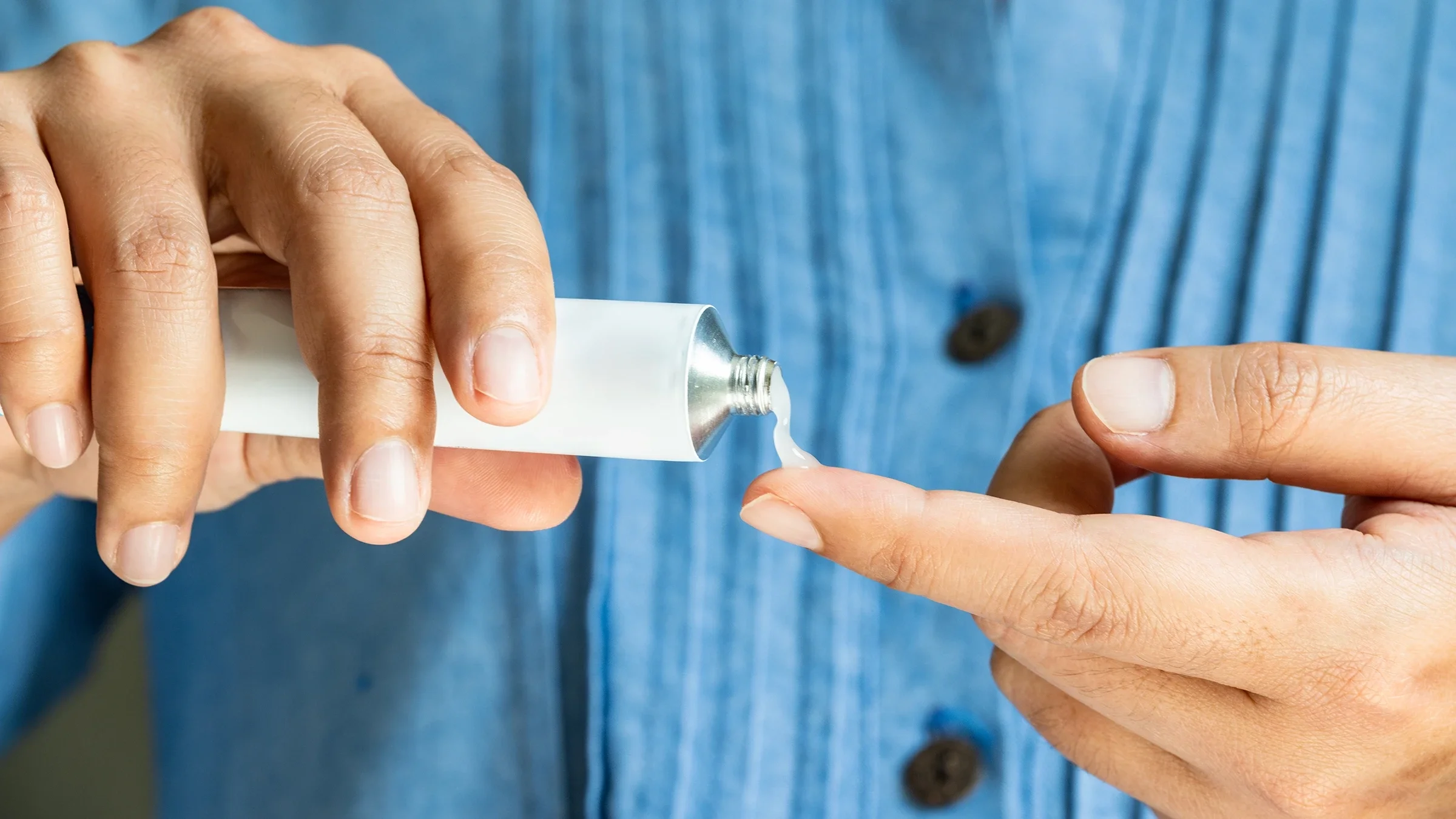
Eucrisa (crisaborole) is a brand-name medication used to treat mild-to-moderate eczema among adults and children who are at least 3 months old.
The average retail price of one 60 g tube of 2% ointment is $942.29. There is no generic option available.
A manufacturer copay savings card or patient assistance program may be able to reduce the cost of Eucrisa for those who are eligible. Anyone with a valid prescription, regardless of insurance status, can use GoodRx to purchase Eucrisa at an exclusive cash price.
When your patients read about eczema treatments, they may have questions about their options. Eucrisa (crisaborole) is a common treatment choice for those who want to avoid steroids. And it’s safe for all ages: it’s indicated for the treatment of mild-to-moderate atopic dermatitis among adults and children 3 months of age and older.
Eucrisa is a brand-name medication; there is no generic version available. Here's what you might expect to pay for 1 tube of Eucrisa 2% ointment.
Eucrisa form and quantity | Average retail price |
|---|---|
1 tube of ointment, 60 g | $942.29 |
1 tube of ointment, 100 g | $1351.72 |
Here’s what you need to know about cost savings for Eucrisa.
What factors affect the cost of Eucrisa?
Insurance can help defray some of the cost of Eucrisa. But for patients who don't have insurance, you can help them understand that what they’ll pay for the medication depends on several factors, including their:
Pharmacy: All pharmacies set their own retail prices.
Location: Medication costs vary in different parts of the country — and even in different parts of the same city.
Fill quantity: Larger quantities of a medication typically cost less per dose than smaller quantities.
Use: The amount of medication you apply at a time impacts the amount of ointment you need — and your costs.
Does insurance cover Eucrisa?
Some health insurance plans cover Eucrisa. For example, nearly all Medicaid plans and commercial plans not purchased through an Affordable Care Act (ACA) marketplace cover this medication.
The following chart shows the likelihood of having coverage for Eucrisa with different types of insurance plans. It also shows the likelihood of having prior authorization and step therapy requirements.
Insurance type | Enrollees covered for Eucrisa 2% ointment | Enrollees required to get prior authorization | Enrollees required to do step therapy |
|---|---|---|---|
ACA plans | 68.6% | 42.2% | 58.8% |
Commercial plans (excluding ACA plans) | 94.8% | 22.3% | 73.7% |
Medicare, including original Medicare and Medicare Advantage plans | 8.3% | 7% | 4.4% |
Medicaid, including state-run and managed care plans | 99.8% | 85% | 53.9% |
Source: Managed Markets Insight & Technology, LLC™, as of June 13, 2025. (See methodology below.)
Ways to save on Eucrisa
Without savings, Eucrisa may be a stretch for some people’s budget. Whether or not they have insurance, there are ways to reduce the cost. Here are four options.
1. Use a GoodRx coupon
A free GoodRx coupon could lower the price of a Eucrisa prescription. Anyone with a valid prescription, regardless of insurance status, can use GoodRx to purchase Eucrisa at an exclusive cash price.
If your patient is new to using GoodRx, give them these instructions to access coupons:
Visit www.goodrx.com or the GoodRx app and type “Eucrisa” in the search field.
Choose the desired quantity. Input the ZIP code or address, or select “Use my current location,” to see results for local pharmacies.
Choose how to receive the coupon. Options include email, text, or print.
Take the coupon to the pharmacy. It’s best to present the coupon to the pharmacy’s staff early in the filling process to avoid delays at the pickup counter.
2. See if they qualify for a copay savings card
The manufacturer of Eucrisa is Pfizer, which offers financial assistance for many of its medications, including Eucrisa.
The Pfizer Dermatology Patient Access copay savings card reduces copays to $10 for those with commercial insurance that covers Eucrisa. It’s $100 if there is no insurance coverage.
The program has limits, though. Patients can save up to $970 per tube of Eucrisa, but savings on the medication are capped at $3,880 in a calendar year.
Your patients can sign up for a copay card through the Pfizer Dermatology Patient Access registration portal.
3. Check eligibility for a patient assistance program
For those who are uninsured or have Medicare Part D and meet additional qualifications, Eucrisa may be free through the Pfizer Patient Assistance Program.
Another option is the Patient Access Network (PAN) Foundation, which has an atopic dermatitis (eczema) fund to help people cover copays and other costs. At the time of publication, this fund was not accepting new enrollees and had a waitlist.
4. Use HSA, FSA, or HRA funds
Patients can use a flexible spending account (FSA), health savings account (HSA), or health reimbursement arrangement (HRA) to pay for medication. These types of accounts have multiple tax benefits when they’re used to pay for qualified healthcare expenses. This can reduce out-of-pocket costs through tax savings.
Methodology
We obtained national prescription coverage data for each medication from Managed Markets Insight & Technology (MMIT). The data reflects health insurance coverage as of June 2025.
We calculated the percentage of enrollees in plans that cover each medication by dividing the number of enrollees covered for the medication within a specific insurance channel (e.g., ACA, Medicare, Medicaid) by the total number of enrollees in all plans within that channel.
We determined the percentage of enrollees in plans with a prior authorization requirement by calculating the proportion of enrollees in plans that required prior authorization for the medication within each channel.
Finally, we measured the percentage of enrollees in plans with a step therapy requirement by calculating the proportion of enrollees in plans that imposed step therapy requirements for the medication in each channel.
These estimates, derived from national MMIT coverage data, provide insight into health insurance coverage for each medication. They take into account restrictions such as prior authorization, step therapy, and quantity limits. The percentages are expressed relative to the total number of enrollees covered by various insurance channels, including ACA plans, commercial (excluding ACA) plans, Medicare, and Medicaid (both state-run and managed care plans).
The bottom line
What your patients pay for Eucrisa (crisaborole) depends on factors such as the pharmacy, location, and insurance coverage status. Without insurance, the average price of one 60 g tube of Eucrisa 2% ointment is $942.29.
Anyone with a valid prescription, regardless of insurance status, can use GoodRx to purchase Eucrisa at an exclusive cash price. Those who have commercial insurance may be able to take advantage of Pfizer's copay savings card, which lowers the price to as little as $10 per tube. Others may qualify for free Eucrisa through the Pfizer Patient Assistance Program or get help from a patient advocacy organization.

Why trust our experts?




References
Pfizer. (2023). Eucrisa (crisaborole) ointment, for topical use [package insert].

