



What Is Scalp Ringworm (Tinea Capitis)? Common Causes, Symptoms, and Treatment
Scalp ringworm (tinea capitis) is a fungal infection of the scalp. Learn how it spreads and how to prevent it.
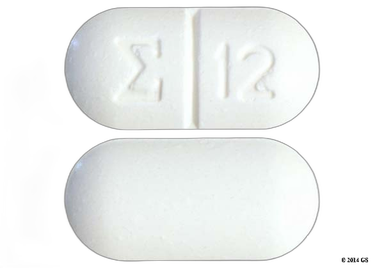
Griseofulvin microsize (brand Grifulvin V no longer available) and griseofulvin ultramicrosize (brand Gris-PEG) are antifungal medications used to treat certain fungal infections of the skin, hair, and nails. Some examples of such infections include different types of ringworms, even tinea capitis (an infection on the scalp). Griseofulvin is taken by mouth, typically 1 to 3 times daily. Typically, your provider only prescribes griseofulvin if other topical antifungal medications haven't worked for you. Possible side effects include skin rash, nausea, diarrhea, and oral thrush (yeast infection in the mouth).

Certain fungal infections, including:
Griseofulvin is an antifungal. It stops the fungi causing your infection from growing and multiplying (fungistatic).
| Common Brands | Grifulvin V (microsized, brand no longer available), Gris-PEG (ultramicrosize) |
|---|---|
| Drug Class | Antifungal |
| Controlled Substance Classification | Not a controlled medication |
| Generic Status | Lower-cost generic available |
| Availability | Prescription only |

The following side effects may get better over time as your body gets used to the medication. Let your healthcare provider know immediately if you continue to experience these symptoms or if they worsen over time.
Contact your healthcare provider immediately if you experience any of the following.
Along with its needed effects, a medicine may cause some unwanted effects. Although not all of these side effects may occur, if they do occur they may need medical attention.
Check with your doctor immediately if any of the following side effects occur:
More common
Blistering, peeling, or loosening of the skin
chills
joint or muscle pain
red, irritated eyes
sores, ulcers, or white spots in the mouth or on the lips
unusual tiredness or weakness
Less common
Confusion
increased sensitivity of the skin to sunlight
soreness or irritation of the mouth or tongue
Rare
Black, tarry stools
cloudy urine
large, hive-like swelling on the face, eyelids, lips, tongue, throat, hands, legs, feet, or sex organs
numbness, tingling, pain, or weakness in the hands or feet
painful or difficult urination
shortness of breath
swollen glands
unusual bleeding or bruising
yellow eyes or skin
Some side effects may occur that usually do not need medical attention. These side effects may go away during treatment as your body adjusts to the medicine. Also, your health care professional may be able to tell you about ways to prevent or reduce some of these side effects. Check with your health care professional if any of the following side effects continue or are bothersome or if you have any questions about them:
Less common
Trouble with sleeping
Incidence not known
pain or discomfort in the chest, upper stomach, or throat
unable to sleep
white patches in the mouth or throat or on the tongue
white patches with diaper rash
Other side effects not listed may also occur in some patients. If you notice any other effects, check with your healthcare professional.
Call your doctor for medical advice about side effects. You may report side effects to the FDA at 1-800-FDA-1088.




Griseofulvin can cause some serious health issues. This risk may be even higher for certain groups. If this worries you, talk to your doctor or pharmacist about other options.
Very rarely, people have developed severe, potentially life-threatening skin reactions (e.g., Stevens-Johnson syndrome (SJS)) after starting griseofulvin. Seek medical attention right away if you notice a new or severe rash, a rash accompanied by a fever, unexplained blisters, or new sores inside your mouth.
Very rarely, griseofulvin causes life-threatening liver damage or liver failure. Your risk of this is higher if you have or have had liver problems. Your provider will likely order blood tests for you regularly to check your liver health. If you experience unexplained stomach pain, nausea or vomiting, dark urine, pale stools, yellowing of your skin or white part of your eyes, contact your healthcare provider right away.
Don't take griseofulvin during pregnancy. There have been cases of birth defects in babies born to mothers who took griseofulvin, and it has been shown to cause harm when taken during pregnancy in animal studies. You might be asked to take a pregnancy test before starting griseofulvin. Since griseofulvin might make hormonal birth control less effective, you should use a method of birth control that uses no hormones (condoms, diaphragms, copper IUD) while taking griseofulvin. If you become pregnant, stop taking griseofulvin right away and talk to your healthcare provider.


Although certain medicines should not be used together at all, in other cases two different medicines may be used together even if an interaction might occur. In these cases, your doctor may want to change the dose, or other precautions may be necessary. When you are taking this medicine, it is especially important that your healthcare professional know if you are taking any of the medicines listed below. The following interactions have been selected on the basis of their potential significance and are not necessarily all-inclusive.
Using this medicine with any of the following medicines is usually not recommended, but may be required in some cases. If both medicines are prescribed together, your doctor may change the dose or how often you use one or both of the medicines.
Using this medicine with any of the following medicines may cause an increased risk of certain side effects, but using both drugs may be the best treatment for you. If both medicines are prescribed together, your doctor may change the dose or how often you use one or both of the medicines.


Contraindications are specific health conditions or situations in which a person should not take a medication due to safety concerns. If you have any of the following conditions or if any of the following apply to you, let your healthcare provider know because Griseofulvin will not be safe for you to take.






Prescription savings
Stop paying too much for your prescriptions. Compare prices, get pharmacy coupons, and save up to 80%. Find expert answers to your health questions so you can make the best decisions for yourself and your family.
Health conditions
Medications & treatment
Access & affordability
 Our monthly healthcare membership can help you save thousands on your prescription costs.
Resources

How long it takes for Griseofulvin Microsize to work depends on what kind of infection you have, where it's located, and how severe it is. For example, if you have ringworm infection on the body, it can take 2 to 4 weeks for this medication to fully treat the infection. But if you have nail infections, you might need to take Griseofulvin Microsize for 4 to 6 months, depending on whether it's an infection of the toe or finger nail. Take Griseofulvin Microsize as directed by your provider. It might take a while to see improvement in your symptoms after starting the medication. Your provider will check your infection from time to time to see if this medication is working well for you.
No. It's important to continue taking Griseofulvin Microsize even if it seems like your infection is gone. Stopping it too early can cause your infection to come back and be more difficult to treat.
Yes. Some people taking Griseofulvin Microsize have reported oral thrush (yeast infection in the mouth) as a side effect. If you notice white patches inside of your mouth, redness or soreness, pain, or a cotton-like feeling in your mouth, contact your provider. If you develop oral thrush while taking Griseofulvin Microsize, your provider can talk with you about treatment options for thrush.
The main difference between Griseofulvin Microsize ultramicrosize and Griseofulvin Microsize microsized is how well each type is absorbed into your body. The microsized formulation is larger than the ultramicrosize. Your body is able to absorb Griseofulvin Microsize ultramicrosize more completely compared to the microsized version. This is why the dosage is different depending on which form you take. Your dose will be higher if you take the microsize version, and lower if you take the ultramicrosize form. Talk with your provider about which form of Griseofulvin Microsize you'll be taking.
No, you can't buy Griseofulvin Microsize over the counter. It's only available with a prescription from your healthcare provider.
