


Pegfilgrastim Biosimilars: What to Know About Fulphila and Other Neulasta Look-Alikes
Pegfilgrastim biosimilars are used to prevent infection following chemotherapy. Examples of pegfilgrastim biosimilars include Fulphila, Udenyca, and Ziextenzo.
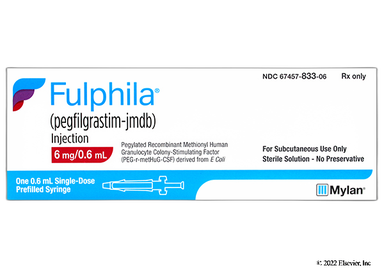
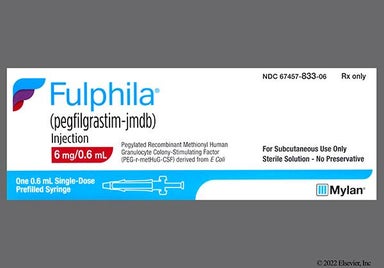
Fulphila (pegfilgrastim or pegfilgrastim-jmdb) is a biosimilar to Neulasta (pegfilgrastim). It's an injection used to lower the risk of infection from low white blood cell levels caused by certain cancer treatments. The medication is injected under the skin once per chemotherapy cycle, either at home or by a healthcare professional. Common side effects include bone pain and pain in the arms or legs.

Fulphila (pegfilgrastim) is a granulocyte colony-stimulating factor (G-CSF), a type of leukocyte growth factor. It works like G-CSF, a protein your body naturally makes. G-CSF triggers your bone marrow to make more neutrophils, a type of white blood cell that helps fight infections.
| Common Brands | Fulphila |
|---|---|
| Drug Class | Colony-stimulating factor |
| Controlled Substance Classification | Not a controlled medication |
| Generic Status | No lower-cost generic available |
| Availability | Prescription only |

The following side effects may get better over time as your body gets used to the medication. Let your healthcare provider know immediately if you continue to experience these symptoms or if they worsen over time.
Contact your healthcare provider immediately if you experience any of the following.
Along with its needed effects, a medicine may cause some unwanted effects. Although not all of these side effects may occur, if they do occur they may need medical attention.
Check with your doctor immediately if any of the following side effects occur:
Incidence not known
Black, tarry stools
bleeding gums
bleeding, blistering, burning, coldness, discoloration of the skin, feeling of pressure, hives, infection, inflammation, itching, lumps, numbness, pain, rash, redness, scarring, soreness, stinging, swelling, tenderness, tingling, ulceration, or warmth at the injection site
blisters in the skin
blood in the urine or stools
cloudy urine
decrease in how much or how often you urinate
difficulty with swallowing
dizziness
fainting or lightheadedness
fast heartbeat
flushing or redness of the skin
hives or welts, skin rash
itching, puffiness, or swelling of the eyelids or around the eyes, face, lips, or tongue
large, hive-like swelling on the face, eyelids, lips, tongue, throat, hands, legs, feet, or sex organs
lower back or side pain
painful or difficult urination
pinpoint red spots on the skin
sores on the skin
stomach pain
swelling of the hands, ankles, feet, or lower legs
swollen glands
unusual bleeding or bruising
unusual tiredness or weakness
unusually warm skin
Get emergency help immediately if any of the following symptoms of overdose occur:
Some side effects may occur that usually do not need medical attention. These side effects may go away during treatment as your body adjusts to the medicine. Also, your health care professional may be able to tell you about ways to prevent or reduce some of these side effects. Check with your health care professional if any of the following side effects continue or are bothersome or if you have any questions about them:
More common
Belching
change in sense of taste
cracked lips
hair loss or thinning of the hair
indigestion
joint pain
lack or loss of strength
loss of appetite
muscle soreness
swelling or inflammation of the mouth
trouble sleeping
vomiting
weakness, generalized
Incidence not known
Body produces substance that can bind to drug making it less effective or cause side effects
Other side effects not listed may also occur in some patients. If you notice any other effects, check with your healthcare professional.
Call your doctor for medical advice about side effects. You may report side effects to the FDA at 1-800-FDA-1088.



How to use Fulphila (pegfilgrastim)

Fulphila (pegfilgrastim) can cause some serious health issues. This risk may be even higher for certain groups. If this worries you, talk to your doctor or pharmacist about other options.
Rarely, Fulphila (pegfilgrastim) can cause your spleen to become enlarged. In serious cases, the spleen can rupture (break open), which can be life-threatening. Get medical help right away if you have pain in the upper left side of your stomach or in your left shoulder.
Fulphila (pegfilgrastim) can cause acute respiratory distress syndrome (ARDS), a serious lung condition that makes it hard to breathe and get enough oxygen. Get medical help right away if you develop trouble breathing or shortness of breath, especially if you also have a fever.
Fulphila (pegfilgrastim) can cause serious allergic reactions that can be life-threatening if not treated. These reactions are more likely after your first dose, but symptoms can return days after the first reaction is treated.
You shouldn't receive Fulphila (pegfilgrastim) if you've had a serious allergic reaction to it or a similar medication, such as Neupogen (filgrastim). Get medical help right away if you have trouble breathing, swelling of your face or throat, hives, or severe dizziness.
In people with sickle cell anemia, Fulphila (pegfilgrastim) can trigger a serious and sometimes life-threatening sickle cell crisis. Symptoms can include severe pain, trouble breathing, chest pain, fever, or extreme tiredness. If a sickle cell crisis happens, the care team will stop the medication and provide treatment.
Fulphila (pegfilgrastim) can rarely cause glomerulonephritis, a condition where the tiny filters in the kidneys become inflamed. Signs can include blood in the urine, dark colored urine, swelling, or urinating less than usual. If this happens, the care team might lower the dose or stop the medication.
Fulphila (pegfilgrastim) can cause your white blood cell count to become too high. Your care team will check your complete blood count (CBC) during treatment to make sure your levels stay in a safe range.
Fulphila (pegfilgrastim) can also lower your platelet count, which can raise your risk of bruising or bleeding. Tell your care team if you notice unusual bruising, nosebleeds, or bleeding that's hard to stop.
Colony-stimulating factor medications like Fulphila (pegfilgrastim) can rarely cause capillary leak syndrome (CLS). This is a serious condition where fluid leaks out of small blood vessels into nearby tissues. It can cause low blood pressure, swelling, dizziness, or weakness and can be life-threatening without quick treatment. Get medical help right away if these symptoms develop.
Fulphila (pegfilgrastim) is a growth factor that mainly helps your body make more white blood cells. But there's a possibility it could also promote the growth of certain cancer cells.
Rarely, people with breast or lung cancer have developed blood cancers or bone marrow problems while receiving Fulphila (pegfilgrastim) with chemotherapy or radiation. Your care team will monitor your blood tests and might stop the medication if the risks become greater than the benefits.
Fulphila (pegfilgrastim) can rarely cause serious inflammation of large or medium-sized blood vessels. This can happen as early as the first week of treatment. Contact your oncology care team right away if you develop an unexplained fever, stomach or back pain, headache, neck pain, or feel unusually unwell.

 Syringe
| Dosage | Quantity | Price as low as | Price per unit |
|---|---|---|---|
| 6mg/0.6ml | 1 syringe | $1,924.31 | $1,924.31 |
Fulphila (pegfilgrastim) is given as an injection under the skin. It shouldn't be given within 14 days before or 24 hours after chemotherapy.

Although certain medicines should not be used together at all, in other cases two different medicines may be used together even if an interaction might occur. In these cases, your doctor may want to change the dose, or other precautions may be necessary. Tell your healthcare professional if you are taking any other prescription or nonprescription (over-the-counter [OTC]) medicine.


Contraindications are specific health conditions or situations in which a person should not take a medication due to safety concerns. If you have any of the following conditions or if any of the following apply to you, let your healthcare provider know because Fulphila (pegfilgrastim) will not be safe for you to take.

Prevention of low neutrophil-related complications in:
Preparation for blood collection for your own stem cell transplant (Neupogen, Nivestym, and Zarxio only)
Increase survival in people exposed to bone marrow-suppressing radiation (Neupogen only)





Prescription savings
Stop paying too much for your prescriptions. Compare prices, get pharmacy coupons, and save up to 80%. Find expert answers to your health questions so you can make the best decisions for yourself and your family.
Health conditions
Medications & treatment
Access & affordability
Medication discounts

Fulphila right away to help your body make more white blood cells, but it can take several days for your levels to begin rising. Because it works behind the scenes to protect you from infections during chemotherapy, you won't actually feel it working. Instead, your oncology care team will use regular blood tests to check how well your white blood cell levels are recovering.
You can get Fulphila with a prescription from your oncologist. It's given as an injection under the skin, either by a healthcare professional or at home by you or a caregiver after proper training.
Common side effects from Fulphila, such as bone or back pain, usually start within one to two days of your injection and improve within a few days. Over-the-counter pain relievers or antihistamines might help, but check with your oncology care team before taking anything new. Get medical help right away if you have sudden pain in your upper left stomach or shoulder, trouble breathing, or signs of a serious allergic reaction.
No, Fulphila isn't chemotherapy and doesn't directly kill cancer cells. Instead, it's a supportive care medication. Because chemotherapy can lower your white blood cell levels and raise your risk of infection. Fulphila is given after chemotherapy to help your bone marrow make more white blood cells.
Fulphila is given as a single injection once per chemotherapy cycle, usually 24 hours after you receive your cancer treatment. It shouldn't be given within 14 days before or 24 hours after your chemotherapy because the timing can affect how well treatment works. Your oncology care team will schedule your dose based on your chemotherapy plan.
Yes, Fulphila is a long-acting medication that helps support your white blood cell levels during a chemotherapy cycle. It contains pegfilgrastim, which has polyethylene glycol attached to it to help it stay in your body longer than short-acting options such as filgrastim (Neupogen). Because it lasts longer, you typically need only one injection per chemotherapy cycle instead of daily shots for several days.
Fulphila is made by Biocon Biologics, Inc. It made history in June 2018 when the FDA approved it as the very first biosimilar to Neulasta.
Fulphila isn't exactly the same as Neulasta, but it's an FDA-approved biosimilar. This means it's highly similar to Neulasta and works the same way in your body. Both contain pegfilgrastim and have the same side effects. One difference is that Neulasta is also FDA approved to increase survival after exposure to high doses of radiation, while Fulphila isn't approved for this use. Talk to your prescriber if you have questions comparing the two.
