



11 Medications You Should Take on an Empty Stomach
Discover the 11 meds best taken on an empty stomach for optimal efficacy. Get the facts on dosage and timing with GoodRx.
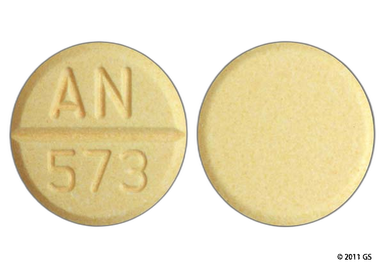
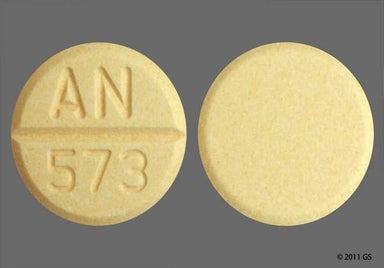
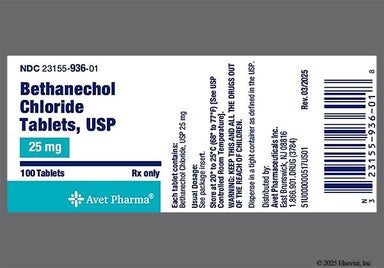
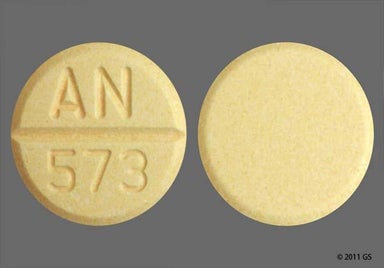
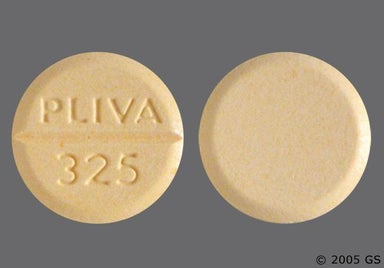
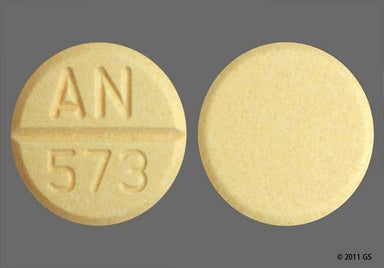
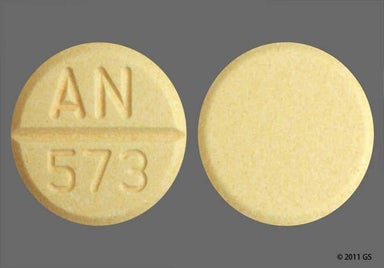
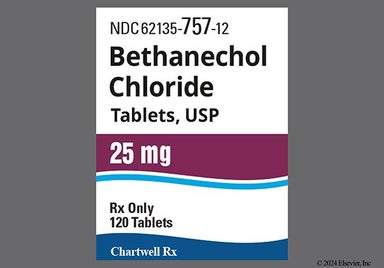
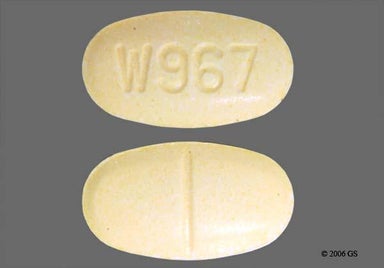
Bethanechol is used to treat urinary retention, or trouble passing urine. It's taken by mouth multiple times a day. Bethanechol is available as a generic and there's no brand name version. Common side effects of this medication include stomach cramps, watery eyes, and a feeling that you need to empty your bladder right away.

Bethanechol is a cholinergic agonist, meaning it acts like acetylcholine, a chemical that your body makes. Acetylcholine is normally responsible for muscle contraction. Because it works like acetylcholine, bethanechol causes your bladder muscle to contract, which empties your bladder and helps you urinate more easily.
| Common Brands | Urecholine |
|---|---|
| Drug Class | Cholinergic agonist |
| Controlled Substance Classification | Not a controlled medication |
| Generic Status | Lower-cost generic available |
| Availability | Prescription only |

The following side effects may get better over time as your body gets used to the medication. Let your healthcare provider know immediately if you continue to experience these symptoms or if they worsen over time.
Contact your healthcare provider immediately if you experience any of the following.
Along with its needed effects, a medicine may cause some unwanted effects. Although not all of these side effects may occur, if they do occur they may need medical attention.
Check with your doctor as soon as possible if any of the following side effects occur:
Some side effects may occur that usually do not need medical attention. These side effects may go away during treatment as your body adjusts to the medicine. Also, your health care professional may be able to tell you about ways to prevent or reduce some of these side effects. Check with your health care professional if any of the following side effects continue or are bothersome or if you have any questions about them:
Less common or rare
more common with the injection
Belching
blurred vision or change in near or distance vision
dizziness or lightheadedness
feeling faint
frequent urge to urinate
headache
increased watering of mouth or sweating
nausea or vomiting
redness or flushing of skin or feeling of warmth
seizures
sleeplessness, nervousness, or jitters
stomach discomfort or pain
Other side effects not listed may also occur in some patients. If you notice any other effects, check with your healthcare professional.
Call your doctor for medical advice about side effects. You may report side effects to the FDA at 1-800-FDA-1088.




Bethanechol can cause some serious health issues. This risk may be even higher for certain groups. If this worries you, talk to your doctor or pharmacist about other options.
Normally, your urine flows from your kidneys to your bladder. A muscle called the bladder sphincter holds your urine inside your bladder. If for some reason that muscle doesn't relax as bethanechol works to contract your bladder, your urine can flow back up to your kidneys. If there is bacteria in your urine and this happens, it can cause an infection. Be sure to talk to your provider if you notice pain in the lower part of your body, cloudy urine, fever, chills, blood in the urine, or other abnormal symptoms.
Bethanechol can make you feel dizzy and lightheaded. Don't stand or sit up too quickly from a lying or standing position or you might faint.
If bethanechol is taken together with medications known as ganglion-blocking compounds, such as mecamylamine (Vecamyl), a dangerous drop in blood pressure can occur. Severe stomach symptoms usually happen before there is a drop in blood pressure. Make sure to tell your provider that you are taking bethanechol when you are prescribed a new medication.


Although certain medicines should not be used together at all, in other cases two different medicines may be used together even if an interaction might occur. In these cases, your doctor may want to change the dose, or other precautions may be necessary. When you are taking this medicine, it is especially important that your healthcare professional know if you are taking any of the medicines listed below. The following interactions have been selected on the basis of their potential significance and are not necessarily all-inclusive.
Using this medicine with any of the following medicines may cause an increased risk of certain side effects, but using both drugs may be the best treatment for you. If both medicines are prescribed together, your doctor may change the dose or how often you use one or both of the medicines.


Contraindications are specific health conditions or situations in which a person should not take a medication due to safety concerns. If you have any of the following conditions or if any of the following apply to you, let your healthcare provider know because Bethanechol will not be safe for you to take.


Prescription savings
Stop paying too much for your prescriptions. Compare prices, get pharmacy coupons, and save up to 80%. Find expert answers to your health questions so you can make the best decisions for yourself and your family.
Health conditions
Medications & treatment
Access & affordability
Medication discounts

Bethanechol starts working within 30 minutes from the time you take it. You should feel the full effects within 60 to 90 minutes. Since it can cause urinary urgency (feeling that you need to empty your bladder right away), make sure you have access to a bathroom after taking your doses throughout the day.
Bethanechol is classified as a cholinergic agonist, not a diuretic (water pill). Although it works to make you urinate more like a diuretic does, it works in a different way to do this; it squeezes (contracts) your bladder muscle, which empties your bladder. If you want to learn more about how diuretics work instead, check out this article.
You will likely need to take Bethanechol 3 or 4 times a day. When you first start taking the medication, your provider might ask you to take a dose every hour, up to a total amount of 50 mg, to find the right dose that works best for you.
Take Bethanechol on an empty stomach (1 hour before or 2 hours after a meal). If you take this medication too close to eating, you might feel nauseous or start to vomit.
Bethanechol and oxybutynin have opposite effects on your bladder muscle and are taken to treat different conditions. Bethanechol squeezes your bladder muscle, helping you urinate when you're having trouble doing so. Oxybutynin, on the other hand, relaxes your overactive bladder muscle so that you don't have to urinate as often.
Bethanechol isn't FDA-approved for treating gastroparesis, a condition where your stomach doesn't empty well because the muscles and nerves of the gut aren't working properly. Bethanechol hasn't been well-studied for gastroparesis, but existing research suggest it doesn't help in this condition. If you've gastroparesis, talk with your provider about your treatment options.

