Key takeaways:
A wound is a cut, scrape, or other injury that breaks or damages the skin. Many wounds can be safely cared for at home, and they’ll heal without becoming infected.
Sometimes, wounds can get infected when harmful germs enter your body. Germs can come from your environment, other people or animals, or even your own skin.
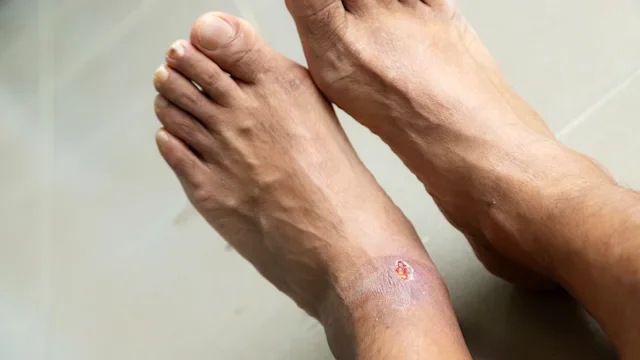
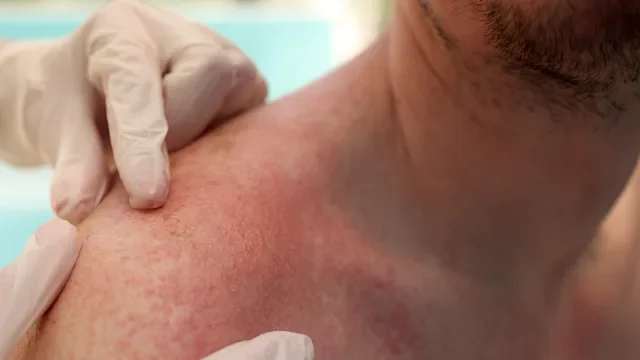
Wounds should get better over time. If your wound is becoming more painful, red, or swollen, it could be infected. Infected wounds can also feel warm or hot and have foul-smelling fluid (pus).
If your wound looks infected, talk with a healthcare professional as soon as possible. Without treatment, an infected wound can put you at risk for serious health problems, like cellulitis and sepsis.
A wound is any type of damage to your skin or other body tissue. Examples of wounds include cuts, tears, burns, and punctures. Wounds are usually the result of accidents or injuries, but they can also be caused by medical procedures like surgeries. Fortunately, the body is an amazing machine. People cut and scrape themselves all the time — and then heal without even thinking about it.
But, sometimes, germs can get inside a wound and cause it to become infected. Certain types of wounds are more likely to get infected or to take a long time to heal. And, in some cases, you may even need to see a healthcare professional for antibiotics or other treatment.
When caring for a wound at home, it’s good to know about the healing process. That way, you can take action when something doesn’t seem right.
Search and compare options
What does an infected cut look like?
An infected cut may look different from a wound that’s healing normally. These changes usually show up in the first couple of weeks. Infected cut symptoms and signs can include:
Redness and warmth: Red skin can be a sign of irritation, inflammation, and infection — especially if it’s warm to the touch. Another warning sign is if the red area swells and gets bigger over time.
Pain: Usually, pain will get better with time as your wound heals. Continuing or worsening pain can be signs that your wound is infected.
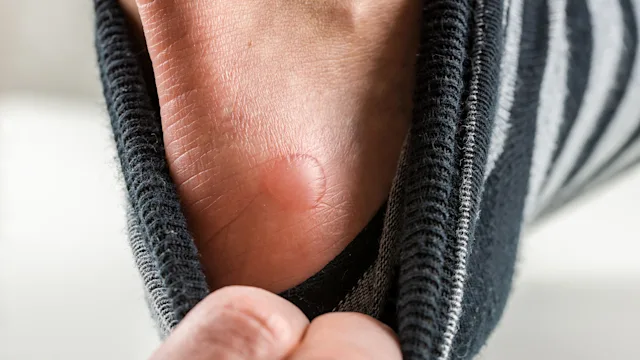
Yellow or greenish fluid (pus): It’s normal for a healing wound to leak some clear fluid. But a lot of thick, yellowish fluid coming from your wound could mean it’s infected — especially if the fluid smells bad.
Stiffness or numbness: As your wound heals, you should be able to move it more and more normally. Increased stiffness or numbness in the area could be signs of infection.
Fever or body aches: These could mean that your wound is infected.
If you notice any of these changes, you should seek medical attention. A healthcare professional can best determine whether your wound is infected and how to treat it.
Emergency signs of an infected cut
The following signs mean you should get medical attention as soon as possible:
Red streaks are extending from the wound, which can be a sign that an infection is spreading through your lymphatic system (the organs and tissues that help fight infection).
You have a fever over 100.4°F or chills.
The wound is extremely painful, deep, or resulted from a bite or rusty object.
The infection doesn’t improve after 24 to 48 hours of home care.
If you see these signs, you need to get medical attention as soon as possible. If the infection isn’t treated, it can spread to the tissue under your skin and/or enter your bloodstream. This can cause serious problems — including sepsis, an extreme immune system response that’s a medical emergency (more on this below).
How long does it take for a cut to heal?
How long a cut takes to heal depends on the size of the cut. Smaller wounds usually heal within a week. Larger ones can take a month or even longer.
A skin wound goes through four stages as it heals. The smaller the wound, the more likely it is to heal quickly. As it heals, here are the stages your wound will go through and what you’ll notice:
Hemostasis: In the first 5 to 10 minutes after an injury, your body acts quickly to stop the bleeding — a process called hemostasis. Your blood vessels tighten to limit blood flow to the area. Small cell fragments (platelets) begin to form blood clots. Finally, a scab forms over the wound to protect the delicate tissue underneath.
Inflammation: After the scab has formed, your immune system starts to take action. White blood cells flood the area to fight off germs. Your wound may become more tender, swollen, and red over 2 to 5 days. You might also notice bruising as some of the blood from your injury collects under your skin.
Rebuilding: Over the next few weeks, your body starts to repair the injured area. Tiny new blood vessels grow, making it pinker than the surrounding skin. This extra blood helps the damaged tissue start to regrow. You might also see some whitish fluid around the wound as immune cells finish doing their job and die off. Healthy, healing tissue should be pink — but not bright red — and shouldn’t bleed too easily.
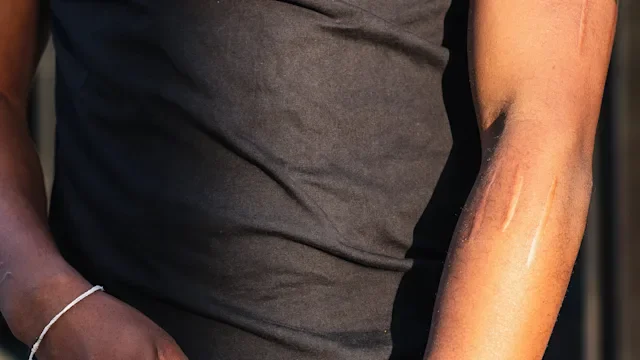
Remodeling: As time goes on, your body begins the process of remodeling, or making the repairs stronger and more permanent. This can last up to 2 years. During this stage, your wound should fully close, and your scars should fade as the skin around them becomes stronger. Some scars can be permanent, especially if your wound was deep.
In short, if your wound is healing well, it should look — and feel — better every day. Here are some signs that your wound is healing well:
The amount of pain or tenderness is decreasing.
The size of the wound is getting smaller.
The surrounding skin is normal in color, without redness or swelling.
There’s no foul-smelling fluid (pus) draining out.
You otherwise feel well without any fatigue, fevers, or chills.
You’re functioning normally in your day-to-day life.
How do wounds get infected?
Wounds get infected when harmful germs — like bacteria or other microorganisms — enter your body. These germs can come from different places, like dirt, unclean objects, or your own skin.
Normally, your skin protects you from germs. But any time your skin is broken — like from a bite, a scrape, or a cut — germs can get into your body. Often, your immune system can fight off the germs on its own. But if it can’t, it can lead to an infection.
It may take 2 to 3 days or more after an injury to see the signs of infection. But many wounds, if cleaned right away and cared for properly, won’t get infected and will heal well on their own.
What are the risks for a wound infection?
Any wound can get infected, even a simple cut or scrape. But some wounds are more likely to get infected, such as those that are:
Large
Caused by a foreign object (like a rusty nail) or human or animal bite
Not cleaned properly right after the injury or accident
Some people are also at higher risk for developing a wound infection. This includes people who:
Have certain medical conditions, like diabetes, cancer, or a weakened immune system
Are older
Have a very high body weight
Are malnourished
Are paralyzed or have limited mobility
Are in the hospital
How to keep your wound from getting infected
Many simple cuts and scrapes can be cared for at home. Here’s how to take care of a minor wound and keep it from getting infected:
Wash your hands. Before taking care of the wound, wash your hands. This can keep extra germs from getting into the wound while you’re taking care of it.
Clean the wound. Use cool or barely warm water to gently wash the area. Make sure there’s no debris left behind, like dirt or glass.
Stop the bleeding. If the wound is still bleeding, use a clean washcloth or piece of sterile gauze to apply pressure. Hold pressure for several minutes until the bleeding stops.
Apply petroleum jelly. According to the American Academy of Dermatology, petroleum jelly (Vaseline) will help minor wounds heal. And it may work even better than over-the-counter (OTC) antibiotic creams.
Put on a bandage. Cover the wound with a sterile bandage, like a Band-Aid or sterile pad and surgical tape.
Keep the cut covered while it heals. Change the bandage daily, or more often if it gets wet or soiled. This keeps it moist, which can help with healing. It also keeps germs out.
If you have a larger or more serious wound, you may need to see a healthcare professional. And if you need stitches or a special bandage, they can give you more details on how to care for your wound and prevent infection.
Risks of infected wounds
It’s not safe to ignore an infected wound. An infected wound can lead to the following complications:
Cellulitis: Cellulitis is when the deeper tissue under your wound becomes infected. It can happen any time the skin is broken, even from a small scrape or bug bite. Cellulitis can often be treated at home with antibiotics. But, in some cases, you may need to stay in the hospital.
Septicemia: Septicemia (blood poisoning) is when the infection enters your bloodstream. This can lead to serious problems in other parts of your body like your heart, brain, and bones. Just like cellulitis, septicemia needs to be treated with antibiotics.
Sepsis: Sepsis is a severe, body-wide reaction that can happen in response to an infection somewhere in your body. If sepsis isn’t treated, it can lead to septic shock. This can cause major organ damage, long-term health problems, and even death.
If you’re worried about a wound, you shouldn’t delay seeking medical treatment.
Frequently asked questions
Sometimes, small cuts with minor infections can heal on their own. But it’s not possible to know when the infection will clear and when it’ll get worse. It’s best to have a healthcare professional treat a skin infection, even if it’s minor.
Itching is usually a sign of healing. This can happen during the inflammatory process as new tissue forms. But try not to scratch your wound. This can keep the wound from healing and could lead to infection.
If it’s been more than 10 years since your last tetanus vaccine, or tetanus shot, your primary care provider may recommend getting one. Tetanus is an infection caused by Clostridium tetani bacteria, which lives in many places in the environment, from soil to feces. When your skin breaks, you’re at risk of getting tetanus — especially if dirt or foreign objects enter your skin. If you’re not sure when your last tetanus shot was, a healthcare professional can help you determine if you should get one.
Sometimes, small cuts with minor infections can heal on their own. But it’s not possible to know when the infection will clear and when it’ll get worse. It’s best to have a healthcare professional treat a skin infection, even if it’s minor.
Itching is usually a sign of healing. This can happen during the inflammatory process as new tissue forms. But try not to scratch your wound. This can keep the wound from healing and could lead to infection.
If it’s been more than 10 years since your last tetanus vaccine, or tetanus shot, your primary care provider may recommend getting one. Tetanus is an infection caused by Clostridium tetani bacteria, which lives in many places in the environment, from soil to feces. When your skin breaks, you’re at risk of getting tetanus — especially if dirt or foreign objects enter your skin. If you’re not sure when your last tetanus shot was, a healthcare professional can help you determine if you should get one.
The bottom line
Many wounds can be safely treated at home, especially if you keep them clean and bandaged. But wounds can become infected. Watch out for warning signs like increased pain, redness, warmth, and/or foul-smelling thick discharge (pus). If you notice any of these symptoms, it’s possible that your wound is infected. If you’re worried about your wound, talk with a healthcare professional. They can help to figure out whether your wound is infected and offer you the right treatment.

Why trust our experts?




References
American Academy of Dermatology Association. (2022). How to treat minor cuts.
Centers for Disease Control and Prevention. (n.d.). Tetanus.
Cunningham, S. (2020). How your body heals after everyday cuts and scrapes. University of Colorado Health.
Guo, S., et al. (2010). Factors affecting wound healing. Journal of Dental Research.
MedlinePlus. (2023). Wounds and injuries.
MedlinePlus. (2024). How wounds heal.
National Health Service. (2023). Overview: Malnutrition.
NHS Inform. (2025). Animal and human bites.
Seattle Children’s. (2025). Wound infection.
Sepsis Alliance. (2025). Sepsis and blood poisoning.
Sharma, R. K., et al. (2023). Delineating the boundaries of superficial lymphangitis: A retrospective study of 11 cases with a review of literature. Indian Dermatology Online Journal.
Smith, D. A., et al. (2023). Bacteremia. StatPearls.
Vincent, P. (2024). Infected wounds. Patient.info.