Weight Loss: Finding the Right Approach for You
Comprehensive information for you or a loved one — including treatment options and discounts on popular medications.

The term “healthy weight” means something different to everybody. The medical community uses the body mass index (BMI) to create weight categories. This is a convenient tool to screen large populations, but it says very little about someone’s individual health. And it isn’t a good way to know what a healthy weight is for someone. It doesn’t take into account body composition or how someone’s weight affects their health.
At the end of the day, you’re the most qualified person to determine a healthy body weight for you. It should be one that allows you to:
Feel comfortable in your body
Perform activities that are important to you
Enjoy food and movement in a way that doesn’t provoke stress
Lower the risk of conditions associated with increased body weight
Maintain your weight without restricted eating or weight cycling, which are associated with health risks
Maintain or work towards personal health goals that are important to you
With all that in mind, we’ve created this guide as a launching point to help you figure out and achieve those health goals.


Rather than starting with a target weight, begin by thinking about the goals that weight loss will help you achieve. This is different for everybody. For example, some people may want to lose weight to:
Lower their blood pressure, cholesterol, or risk of heart disease
Improve blood sugar levels, if they have diabetes or prediabetes
Help manage a condition that’s related to weight
Lower the dose of certain medications, like diabetes or blood pressure medication
Walk and move with less muscle or joint pain
Do activities that bring them joy, like playing with their kids and grandkids
Feel more comfortable with food and their body
Whatever your goals are, the next step is to get the professional support you need. Your primary care provider is a great place to start. They can help you assess how your weight is affecting your health, understand your different treatment options, and keep track of your progress along the way.
There’s a lot of information out there about how and what to eat for weight loss. But many weight loss diets are overly restrictive or rigid — and not sustainable.
A healthy diet is one that’s balanced and incorporates a variety of nutritious foods that fit your lifestyle and preferences. This can look different from person to person. But it can still be hard to know where to start when changing your diet.
Don’t try to completely overhaul your diet all at once. Small, daily changes and food swaps are the best way to ensure long-term, sustainable weight loss.
In general, a healthy diet includes:
Complex carbohydrates: Your body needs carbohydrates for fuel. And complex carbohydrates include starch and fiber, which helps regulate blood sugar. Vegetables, fruits, and whole grains are great options.
Lean and plant-based proteins: Getting enough protein is key to maintaining and building muscle. And, when you lose weight, it’s important to not lose muscle mass. Nutritious protein sources include poultry, seafood, dairy, nuts, beans, legumes, and soy.
Unsaturated fats: Every organ in your body needs fat to run smoothly. Unsaturated fat is better for your body than saturated fat or trans fats. Unsaturated fat comes from foods like olive oil, fish, chicken, nuts, seeds, and avocados.
Fiber: Fiber is a key part of your digestive health, and it can be particularly helpful for weight loss. It can help you feel satisfied after a meal, curb your appetite, and keep your blood sugar stable. Whole grains, produce, and nuts are all great sources of fiber.
Compare prices and information on the most popular Weight loss medications.
Movement and physical activity are an important part of your overall health. For some people, this may be the main reason they want to lose weight — to find a body weight that allows them to move more comfortably and easily. In fact, research suggests that physical fitness is more important than weight when it comes to heart health.
There’s no one exercise routine that’s best. Rather than count minutes or mileage, think about the exercises and activities that you enjoy. An exercise routine should feel doable, sustainable, and good for your body.
Just like diet, balance and variety are important. Try to incorporate both aerobic and strength exercise. Aerobic activity — like walking, swimming, and dancing — is good for your heart. Strength training (like lifting weights) or body-weight exercises (like yoga) help you build muscle. Both types are important for weight loss and overall health.
Some people have a harder time losing weight with changes in diet and lifestyle alone. When this is the case, weight-loss medications may help.
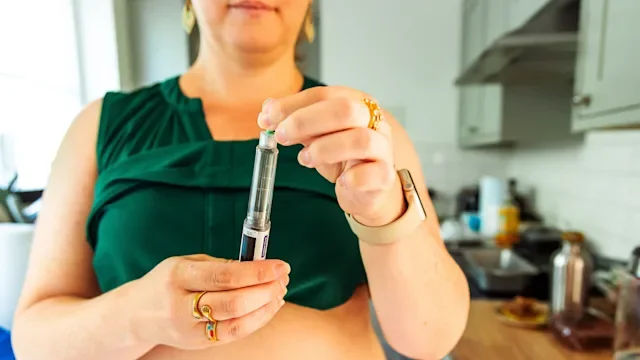
GLP-1 (glucagon-like peptide-1) agonists are the newest and most popular group of medications. They mimic a hormone in your body (GLP-1) that helps slow down digestion and regulate appetite. And some of these medications combine GLP-1 with another gut hormone, called GIP (glucose-dependent insulinotropic polypeptide). These dual GIP/GLP-1 agonists work in a similar way.
Some GLP-1 agonists are only approved for people with Type 2 diabetes. The ones that are approved for weight loss include:
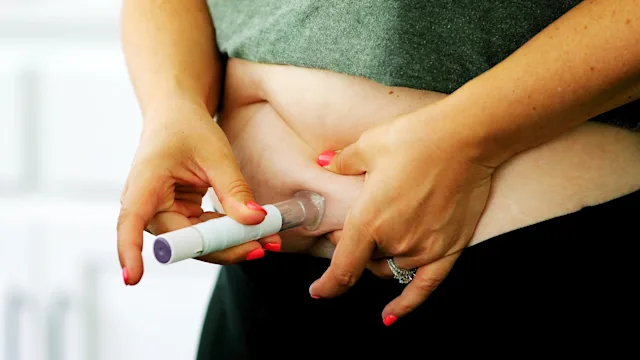
Tirzepatide (Zepbound) and liraglutide (Saxenda) are injectable medications. Semaglutide (Wegovy) is available as an injectable medication and an oral pill.
Other weight loss medications approved for long-term use include:
Weight-loss medication isn’t right for everyone. And it’s important to remember that these medications all come with side effects, which are important to consider in your decision. Your healthcare team can help you weigh the risks and benefits and understand which medications are options for you.
Weight loss medications can be expensive but there are programs that offer cost savings. GoodRx for Weight Loss can help you access FDA-approved, brand-name GLP-1 medications at lower costs. You may also be eligible for a manufacturer copay card or patient assistance program through Ozempic and Wegovy’s manufacturer.
Most people who are trying to lose weight will not need weight-loss surgery (bariatric surgery). But it’s an option when other weight-loss treatments haven’t worked and weight loss is an important health priority for you.
Given the risk for serious complications with surgery, only certain people are eligible for this option. You might be a candidate for weight-loss surgery if you have a BMI of more than 40 or a BMI over 35 alongside weight-related medical conditions.
There are three main types of weight-loss surgery:
Gastric band: An inflatable band is placed around the stomach. This procedure is becoming less common.
Gastric sleeve: A large part of the stomach is permanently removed. There are no changes made to the intestine.
Gastric bypass: Staples are placed near the top of the stomach, and part of the intestine is rerouted to connect to this top part of the stomach.
Weight-loss surgery is a life-altering treatment. It requires a dramatic change to someone’s eating and lifestyle after the procedure. For this reason, there’s a lot of prep work and education that happens before and after surgery for people who consider it.
Weight loss can be a challenging road for many people, filled with a lot of ups and downs. It’s important to stay in touch with both your physical and mental health along the way. And remember, there are better ways to measure your health and progress than pounds on the scale.
Few personal health goals invite such public commentary as weight loss. You may feel surrounded by unhelpful diet talk and weight stigma. People may even comment on your weight or changes in your body in ways that are unwanted or don’t feel supportive. That’s just one of the reasons it’s important to find weight-sensitive healthcare professionals — like doctors, dietitians, and therapists — who can help you along the way.
We hope our articles and resources can support you, too, in whatever you decide are the most important weight and health goals for you.
These are terms that medical professionals need to use in your medical chart as a diagnosis. They’re based on body mass index (BMI). The term “overweight” refers to a BMI between 25 and 29.9, and “obesity” refers to a BMI of 30 or greater. Remember, BMI is a screening tool. It’s not a perfect tool for assessing health or body fat.
These are terms that medical professionals need to use in your medical chart as a diagnosis. They’re based on body mass index (BMI). The term “overweight” refers to a BMI between 25 and 29.9, and “obesity” refers to a BMI of 30 or greater. Remember, BMI is a screening tool. It’s not a perfect tool for assessing health or body fat.
In general, older adults need to maintain a higher weight than younger adults. A low weight in older adults is associated with health risks, like a risk of weak bones and falls. And weight loss in older people can also be a sign of a serious health condition.
If you plan to start taking one of the newer weight-loss medications (like Wegovy), most people see results within weeks of starting treatment. But they’ll need to take the medication for the long term to maintain weight loss.
Rapid weight loss from restrictive diets can be harmful for your health. Since restrictive diets aren’t sustainable, they increase your risk for long-term weight gain. And weight cycling, also called yo-yo dieting, increases your risk for heart disease and depression.
Ghusn, W., et al. (2022). Weight loss outcomes associated with semaglutide treatment for patients with overweight or obesity. JAMA Network Open.
National Institute of Diabetes and Digestive and Kidney Diseases. (2020). Potential candidates for weight-loss surgery.

Prescription savings
Stop paying too much for your prescriptions. Compare prices, get pharmacy coupons, and save up to 80%. Find expert answers to your health questions so you can make the best decisions for yourself and your family.
Health conditions
Medications & treatment
Access & affordability
Medication discounts