When it comes to weight loss, everybody (and every body) is different. Viscous fiber is a special type of fiber that can help you eat less without even trying. While all types of fiber help promote fullness and reduce appetite, viscous fiber is the best at it.
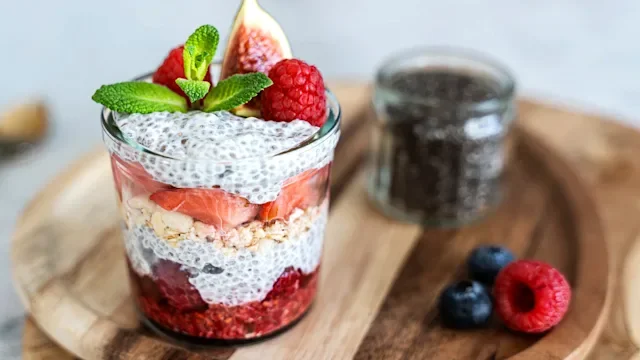
Here’s why: The term “viscous” essentially refers to thickness. For example, maple syrup is more viscous than water. Viscous fibers, which include pectins, beta-glucans, glucomannan, guar gum, and psyllium, all thicken in water and form a gel-like substance in your stomach. When you eat foods with viscous fiber, the gel it forms “sits” in your stomach and takes its time to move through your digestive system. This means you’re less likely to get too hungry and overeat later, or snack mindlessly.
References
Burton-Freeman, B. (2000). Dietary fiber and energy regulation. The Journal of Nutrition.
Chutkan, R., et al. (2012). Viscous versus nonviscous soluble fiber supplements: mechanisms and evidence for fiber-specific health benefits. Journal of the American Association of Nurse Practitioners.
Clarke, M.J., et al. (2013). The effect of fiber on satiety and food intake: a systematic review. Journal of The American College of Nutrition.
Dikeman, C.L., et al. (2016). Viscosity as related to dietary fiber: a review. Critical Reviews in Food Science and Nutrition.
Wanders, A.J. (2011). Effects of dietary fibre on subjective appetite, energy intake and body weight: a systematic review of randomized controlled trials. Obesity Reviews.

Why trust our experts?