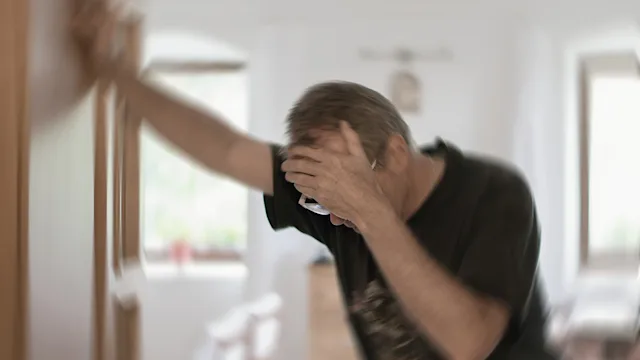
If you think you’re having symptoms of a stroke, getting to the emergency room promptly is critical. Don’t “wait and see” if it’s a false alarm, and don’t take an aspirin at home. Call an ambulance and get professional care ASAP.
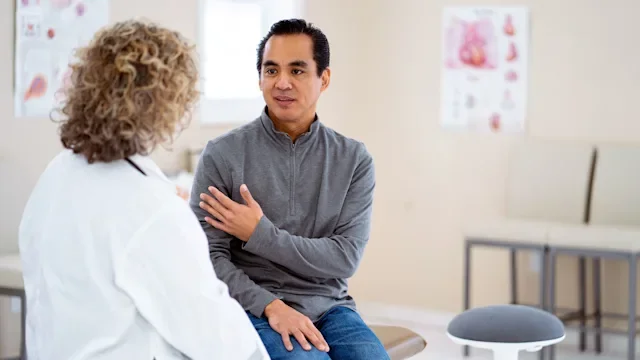
Once you’re in professional care, doctors will evaluate your symptoms and medical history to see if you’re actually having a stroke, and what kind of stroke you’re having, before moving forward with treatment.
Dr. Brockington is a neurologist and director of the Stroke Center at Mount Sinai St. Luke’s and Mount Sinai West Hospital in New York City.
References
American Stroke Association. (2021). How cardiovascular & stroke risks relate.
American Stroke Association. (2020). Let's talk about stroke diagnosis.
Hafez, S, et al. (2014). Hyperglycemia, acute ischemic stroke and thrombolytic therapy. Translational Stroke Research.
National Heart, Lung, and Blood Institute. (n.d.). Diagnosis: Stroke.

Why trust our experts?