Key takeaways:
Brandon Romagnoli was scared when his teenage sister, in seemingly perfect health, had a tonic-clonic (formerly known as grand mal) seizure.
A few months later, Brittany Romagnoli was diagnosed with a seizure disorder.
Today, Brittany takes anti-seizure medication and has been seizure-free for 7 years.
Watching someone have a seizure can be terrifying. I was 18 years old when I watched my sister have her first seizure, in our family’s home. I was alone with her at the time. And, while I was scared, I had to keep calm to keep my sister safe.
My sister and I were born 16 months apart. As her big brother, I’ve always felt the need to be her protector. I still do to this day, even though she lives in Chicago now, and I live in New York City.
My sister Brittany was 17 on the unnerving day she had her first seizure. Her body convulsed into something called a tonic-clonic seizure, which used to be known as “grand mal.” It makes a person’s muscles stiffen and their arms and legs jerk rhythmically as they lie there unconscious.
At the time, I wasn’t sure what was happening. I just wanted her to get through it. Later, I remember worrying about her future. Would this be a medical issue she’d have for life or just a one-time occurrence? I didn’t know this first seizure was the start of my sister's medical journey with epilepsy, a brain disorder in which seizures can happen repeatedly.
How my family’s journey with epilepsy started
My sister and I were having a normal summer day when her first seizure occurred. We were on a break from school. Our routine was to wake up around 11, have a quick breakfast, go to the gym, and plan nothing for the rest of the day. We did a lot together and had a lot of the same friends. I was on my way to college in the fall, and my sister had one more year of high school left. It was a pivotal year for both of us.
We lived in a three-bedroom suburban home in Somers, New York. It had a freshly cut lawn, fancy furniture from Raymour & Flanigan, and a back porch with a barbecue. There was even a pool within the community our house was in. Basically, we lived extremely well, although we only had one parent raising us. My mom had worked hard for our lifestyle.
It was a Sunday. Brittany was preparing for a mission trip to Nicaragua that she had been planning all year. She was supposed to leave the next morning. She had finished packing her suitcase and came downstairs to have lunch with me.
During what happened next, I was extremely alert, while my sister says her mind went completely blank.
“I remember coming downstairs and sitting in the living room to watch TV,” Brittany told me recently. “The next thing I know, I totally blacked out. I don’t remember anything and woke up with a splitting headache in the ambulance.”
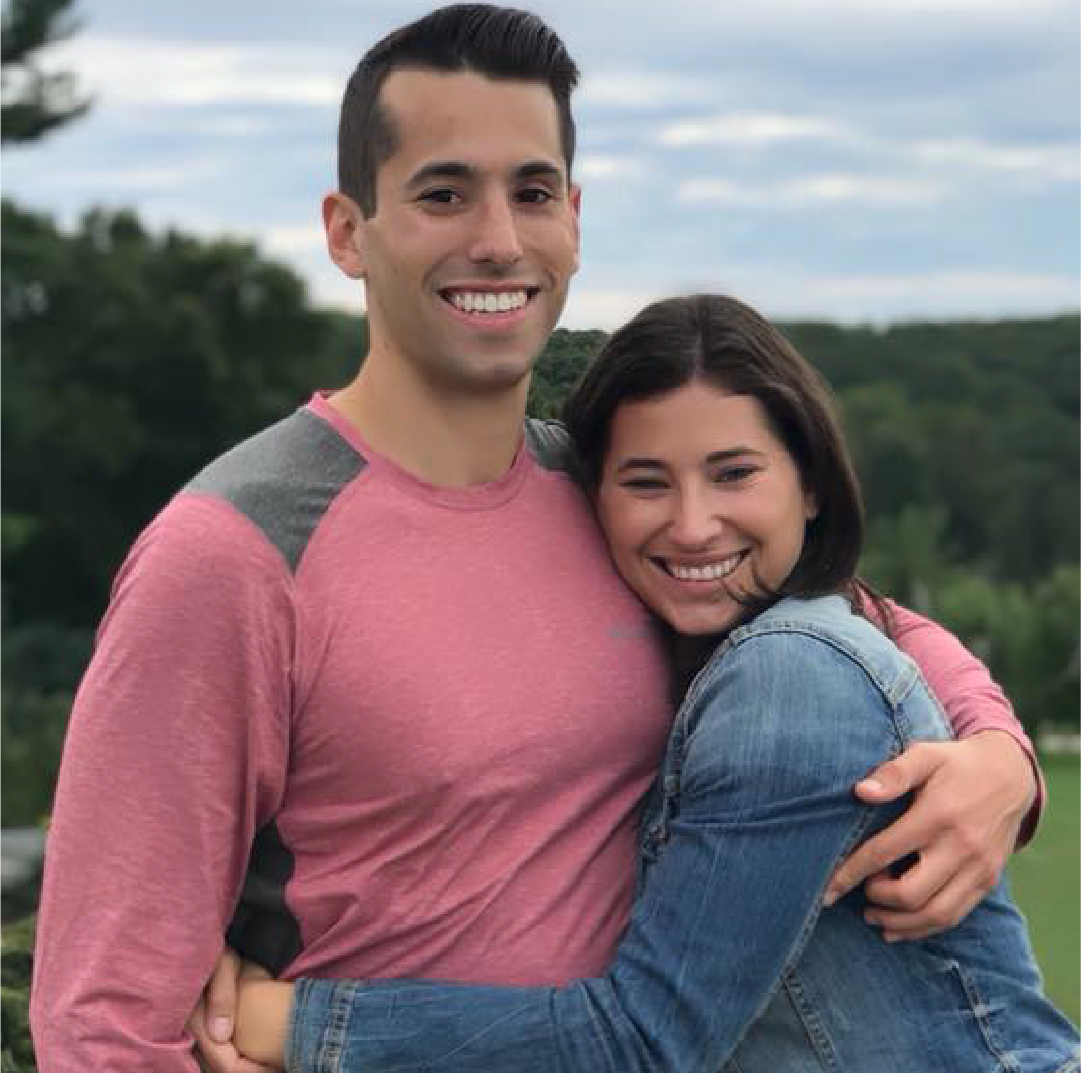

My recollection is still vivid after all these years. I remember her coming downstairs to sit with me. She was talking about her Nicaragua trip and about how excited she was to travel on her own for the first time. Then, she suddenly stood up, walked toward our fireplace, and stared into space. I called her name, but she didn’t answer. I called her name again. No answer.
Then, she began to moan and grab her forehead. She yelled and started walking in circles. I grabbed her and looked into her eyes, which looked glassy and lifeless. Then, she fell to the floor and began convulsing intensely for what felt like an eternity, even though the seizure only lasted a few minutes. Her body was tense, and she was clenching her tongue while vomiting and foaming at the mouth.
I knew first aid from being a resident assistant at the boarding school where I attended high school. When someone is vomiting in that way, you need to turn them on their side to prevent them from choking. So I turned my sister on her side and held her hand, as tears streamed down my face.
I experienced a wide range of emotions during that moment. I learned that you can stay composed in a crisis, even when it involves a family member.
I had saved two friends’ lives prior to that moment, so I had experience with crisis situations. In one scenario, I was a junior in high school and gave my friend the Heimlich maneuver to keep him from choking on a plastic bottle cap. The other happened at summer camp when I was in middle school and saved a friend from drowning in a local lake. Both times, I was extremely frightened. But, when no one else was taking action to help my friends, I rose to the occasion.
In my sister’s moment of crisis, too, I stayed calm. Once the convulsing stopped, I picked up our house phone and called 911. Then, I called my mom while I waited for the ambulance. My mom was in full panic mode when I told her what was happening. She hung up the phone and raced home from work.
This likely wouldn’t be her last seizure
The ambulance arrived first. At that point, my sister had begun to regain consciousness. When she first woke up, she was unable to speak and didn’t know where she was.
Once she felt OK to speak, the paramedics started asking her questions. First, they asked her what her name was, but she didn’t know the answer immediately. They asked her what day of the week it was, but she had no idea. They asked her what month it was and, thankfully, she knew it was June. She even forgot her own birthday, momentarily.
Even after she received medical attention, I was still in complete shock. My sister had seemed perfectly healthy. Now, she had trouble remembering her own name. At first, I worried there had been some permanent damage to her brain from the seizure, so I asked the paramedics if it was temporary. They said she was having trouble recalling details because of the lack of oxygen in her brain.
When my sister finally arrived at the emergency room, the doctors began explaining to us what had happened to her. They told us this likely wouldn’t be her last seizure.
Over the next several months, she saw neurologists and other specialists. The doctors diagnosed her with juvenile myoclonic epilepsy disorder. At first, Brittany had a hard time accepting that she had epilepsy. My mother and I told her to take it seriously, slow down her social life, and get more sleep on school nights. But she didn’t listen.
Living in denial leads to acceptance
Brittany didn’t want to deal with her diagnosis. She was still upset that she had to cancel her trip. She wanted to get on with life.
She had four more seizures during her last year of high school and first year of college. Her fifth seizure happened when she was alone in her dorm room. That’s when she decided to take it seriously, she remembers.
“I realized this is something I’m always going to live with,” she says. “I really listen to my body now, after living with seizures for a decade, and realize I’m fortunate. My seizure disorder is under control with the help of medication. And some people with epilepsy can’t say the same.”
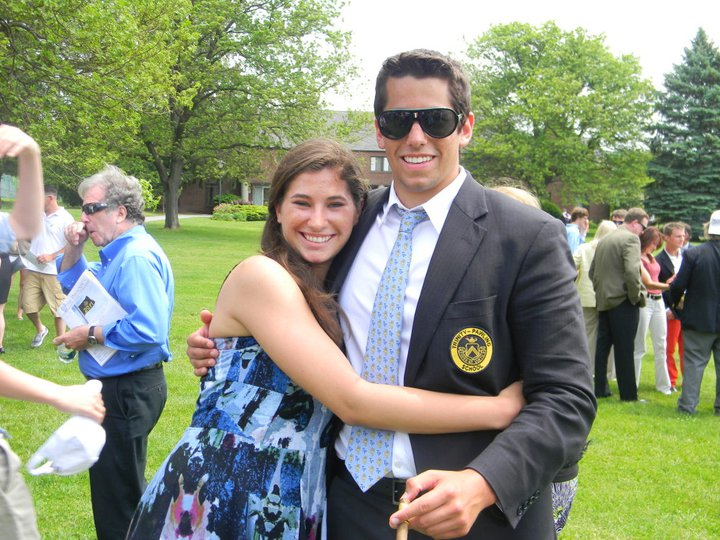
Siblings Brittany and Brandon Romagnoli have always been close.
There are still parts of living with epilepsy that are challenging. Even with the medication controlling her seizures, Brittany says that she feels the warning signs if she takes a dose even an hour or two late.
Now that she’s 28, Brittany is starting to think about possibly starting a family someday. Her neurologist told her that her disorder can cause difficulties during pregnancy, and that she would have to slowly lower the dose of her medication. My sister says, when she’s ready to start a family, she will work to overcome those challenges.
Brittany’s experience has taught me a lot, too. Her condition doesn’t limit her life.

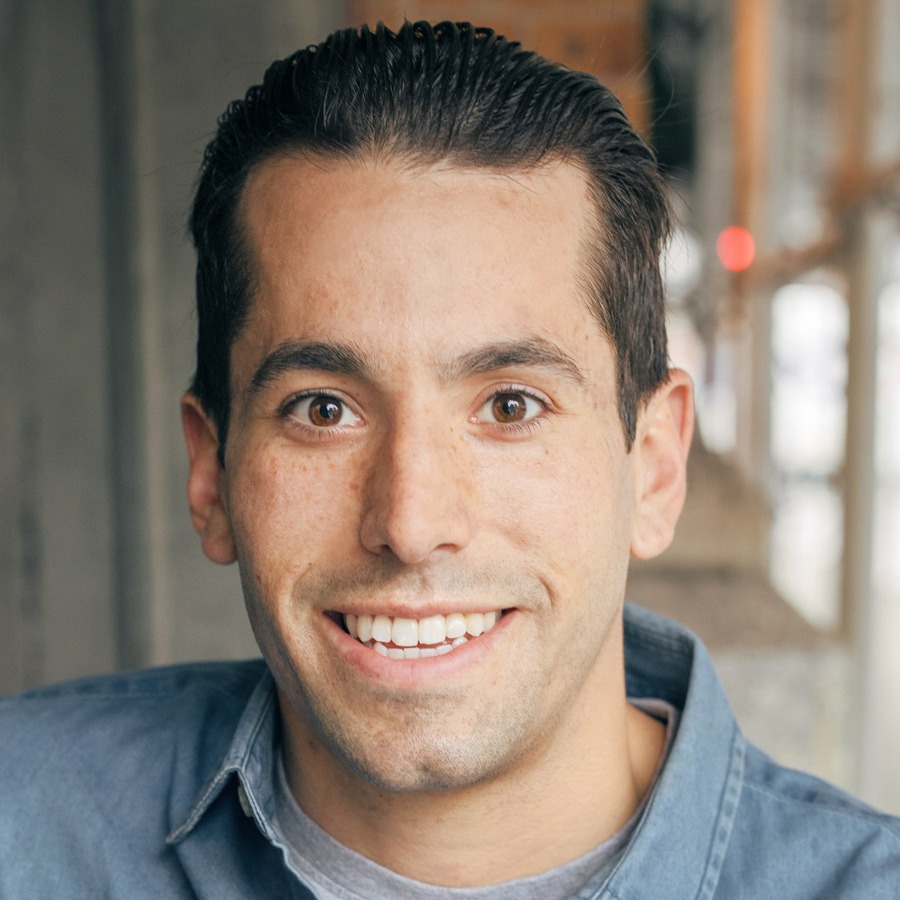
Pivotal moments of crisis taught Brandon Romagnoli to keep calm.
Through this experience, I have learned you can overcome the obstacles life throws at you if you keep your composure. I have an “iron sharpens iron” mentality, and I am religious. I believe that every challenge I’ve faced has been put in my life for me to learn from.
Whether the challenge is medical, financial, work-related, or moral, you can find a solution to the challenge with composure. During many moments in my life, I had to take charge and keep my composure to ensure the best possible outcome. That’s what I did for my sister almost 10 years ago. And I hope others can rise to the challenge and help their loved ones if they’re ever called upon to do so.

Why trust our experts?