Key takeaways:
Ringworm is a ring-shaped skin infection caused by a fungus, not a worm.
Ringworm spreads by skin-to-skin contact with other people or animals. It thrives in moist environments, like locker rooms, swimming pools, tight shoes, and areas of the body with excessive sweat.
Ringworm can be treated with over-the-counter (OTC) topical creams. But infections on the scalp or nails are treated with medicine you take by mouth.
If you’ve been diagnosed with ringworm, you may be wondering how you got infected with a worm. The answer: You didn’t. Ringworm isn’t actually a worm. It’s a fungus.
Ringworm is very contagious and spreads easily. But the good news is that treating ringworm is usually easy. Here, we cover everything you need to know about ringworm and how to get rid of this itchy rash fast.
What is ringworm?
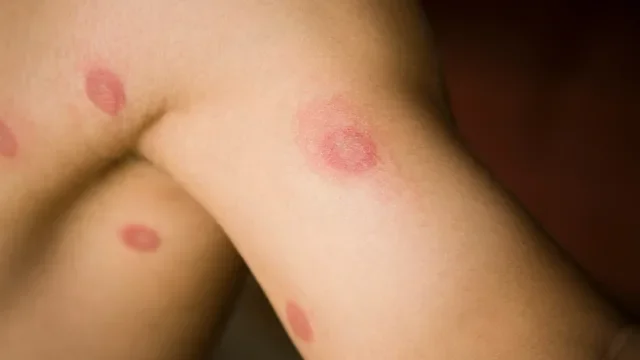
Ringworm is a common skin infection. It’s caused by a fungus, not a worm. Ringworm gets its name from the fact that it causes an itchy rash that appears red, violet, or brown and in the shape of a circular ring. You can get ringworm anywhere on your body.
How do you get ringworm?
Ringworm is caused by a fungus that infects the skin. You can get ringworm through direct contact with:
Other people: Touching someone’s ringworm rash can spread the infection.
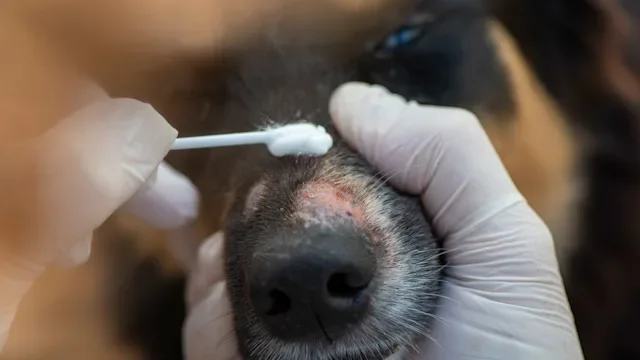
Pets: Dogs and cats can transmit the infection to people. And puppies and kittens are more likely to carry it.
Contaminated objects: Fungi thrive in warm, moist environments and can spread through items like towels, shower floors, and gym equipment.
Soil: Ringworm fungi can survive in soil and spread through contact with contaminated dirt.
Yourself: If you have ringworm on one part of your body, you can spread it to another part.
Ringworm risk factors
Ringworm can affect anyone, but some people are more likely to get it. This includes:
Children and older adults
People with a weakened immune system
People with diabetes (who are also more likely to develop toenail fungus)
People who play sports that involve skin-to-skin contact (like wrestling)
What are the symptoms of ringworm?
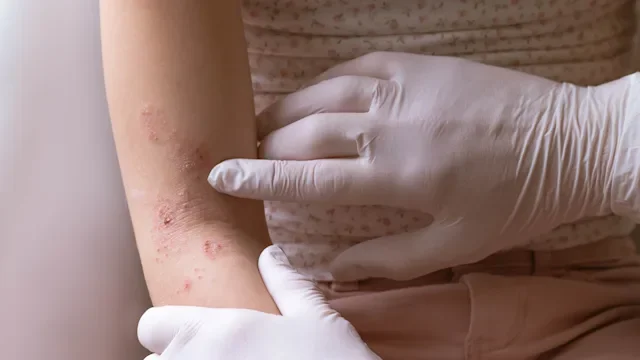
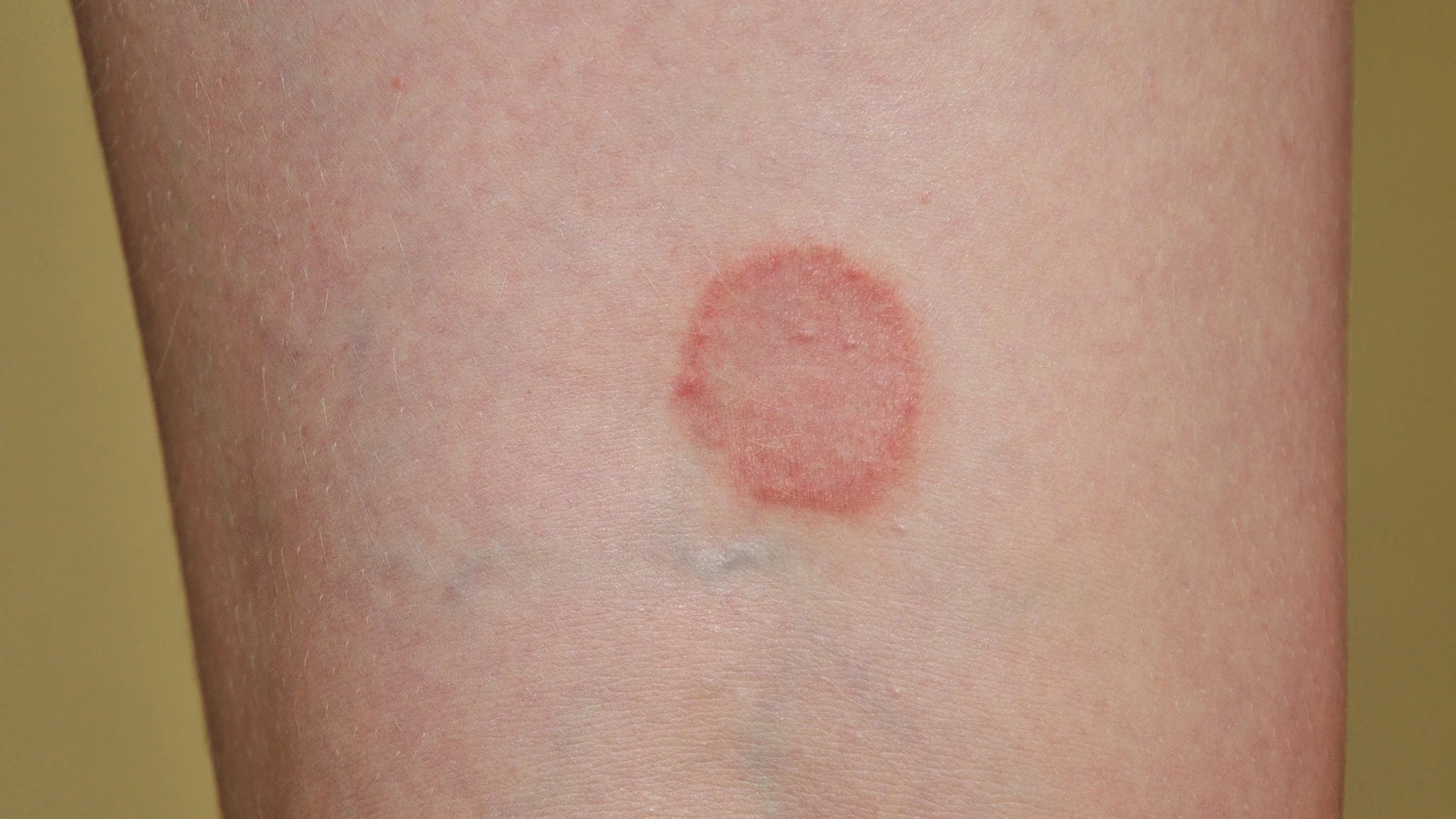
The most common symptom of ringworm is an itchy, ring-shaped rash. Depending on your skin tone, it may be red, violet, or brown. The rash often has a scaly, raised border and may spread over time. It can look different, depending on which part of the body is affected (see below for more information and photos).
Other symptoms may include:
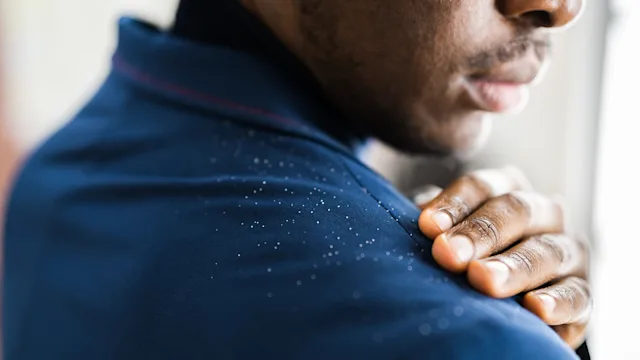
Scaly, flaky, or peeling skin
Burning or stinging
Blisters or painful skin cracks (especially with athlete’s foot)
Hair loss on the scalp or beard
Thickened, discolored, or misshapen nails
A foul odor from the feet
What are the best treatments for ringworm?
Most cases of ringworm can be treated with an over-the-counter (OTC) antifungal cream.
Common options include:
Clotrimazole (Lotrimin AF, Clotrimazole 3)
Miconazole (Monistat)
Terbinafine (Lamisil AT)
Tolnaftate (Tinactin)
Butenafine (Lotrimin Ultra)
These creams are applied directly to the ringworm twice a day until the rash goes away. There’s no clear best choice among these options, so any of them are reasonable to try.
It’s important to keep in mind that nystatin, which can treat other types of fungal infections, doesn’t work against ringworm.
Ringworm of the scalp or nails usually requires prescription oral antifungal medication. This treatment is taken by mouth, since creams don’t work well in these areas.
If your rash isn’t improving after 2 weeks of treatment, see a healthcare professional. You may need prescription-strength medication. Or a different diagnosis should be considered.
How long does ringworm last?
How long ringworm lasts can vary. Once you start treating it, most ringworm on the skin will go away within 1 to 2 weeks. Scalp ringworm can take longer, up to 3 months. And nail ringworm takes even longer to clear — 3 to 6 months or longer.
In some situations, ringworm on the skin will go away on its own. This can take 3 weeks or longer. It’s not possible to predict when ringworm will go away or get worse. So, it’s best to treat it early.
How can I prevent ringworm?
To help prevent getting ringworm, here are some tips to follow:
Avoid walking barefoot in public spaces (especially showers).
Avoid sharing items with someone who has ringworm.
Wash your hands with soap and running water immediately after contact with animals.
Shower immediately after contact sports.
Keep sports gear clean.
Avoid sharing helmets or combs.
What does ringworm look like?
Ringworm can vary in appearance, depending on where it occurs. It also goes by different medical names based on the affected body part.
Tinea corporis (ringworm on the skin)
On the skin of the chest, back, arms, and legs, ringworm usually looks like a raised, ring-shaped rash. Depending on your skin tone, it can be:
Red or pink (in lighter skin)
Brown, violet, or gray (in darker skin)
The skin is often cracked or scaly, and you may notice some bumps inside the ring.

Tinea pedis (athlete’s foot)
On the feet, ringworm causes a scaly rash that may appear red, brown, or gray. It often affects the bottom and sides of the feet and in between the toes. Some people develop blisters or painful skin cracks.

Tinea cruris (jock itch)
Ringworm in the groin causes skin color changes, scaling, and small bumps. The rash may also spread to the upper thighs.

Tinea capitis (scalp ringworm)
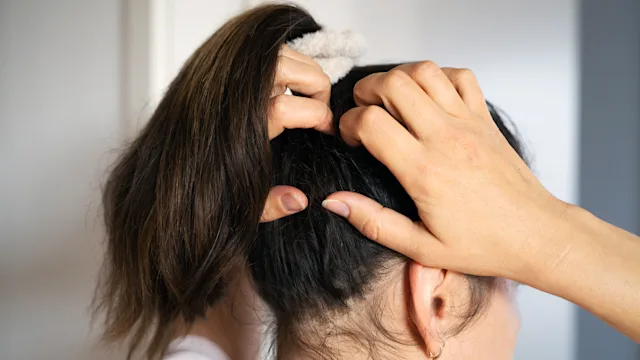
On the scalp, ringworm can have a red, brown, or gray scaly rash. It can also cause patches of temporary hair loss.

Tinea barbae (beard ringworm)
In the beard area of the face, ringworm causes a scaly rash and may lead to patches of temporary hair loss, similar to ringworm of the scalp.

Tinea faciei (face ringworm)
Ringworm on the face usually appears as a round, scaly rash. Depending on your skin tone, it may be red, brown, violet, or gray.

Tinea manuum (hand ringworm)
On the palms of the hands, ringworm often causes dryness, scaling, and peeling. On the back of the hand, ringworm can look like tinea corporis.

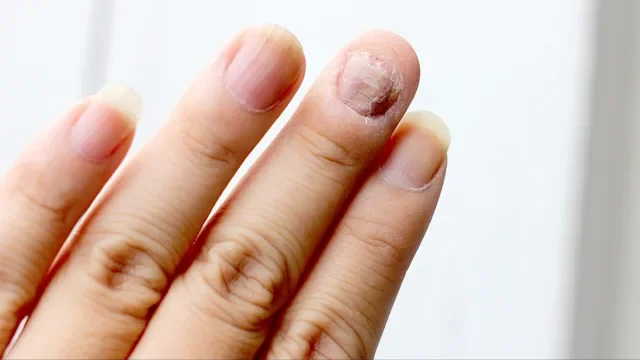
Tinea unguium or onychomycosis (ringworm of the nails)
When ringworm affects the nails, it can cause thickening, discoloration, and changes in nail shape.

Frequently asked questions
No, ringworm isn’t caused by hygiene. Ringworm is a fungal infection that can infect anyone, even people with excellent hygiene. It spreads through direct contact with an infected person, animal, or contaminated object. Keeping your skin clean and dry can help lower your risk. But poor hygiene isn’t the cause of ringworm.
Yes, ringworm can live on bedsheets, towels, and clothing. If someone in your household has ringworm, washing bedsheets on high heat can help kill the fungus and reduce the risk of spreading the infection.
Recurrent ringworm is usually caused by repeated exposure to the fungus or incomplete treatment of a previous infection. Common sources include family members, pets, and shared items like towels or sports equipment, as well as contaminated bedding or clothing. Ringworm is also more likely to return in warm, sweaty skin.
If you keep getting ringworm despite treatment, see a healthcare professional. You might need a different treatment, or you may have a skin condition that looks like ringworm but has a different cause.
Ringworm is much less likely to spread 48 hours after starting antifungal treatment. If ringworm isn’t treated, it’ll stay contagious as long as you have the rash.
No, ringworm isn’t caused by hygiene. Ringworm is a fungal infection that can infect anyone, even people with excellent hygiene. It spreads through direct contact with an infected person, animal, or contaminated object. Keeping your skin clean and dry can help lower your risk. But poor hygiene isn’t the cause of ringworm.
Yes, ringworm can live on bedsheets, towels, and clothing. If someone in your household has ringworm, washing bedsheets on high heat can help kill the fungus and reduce the risk of spreading the infection.
Recurrent ringworm is usually caused by repeated exposure to the fungus or incomplete treatment of a previous infection. Common sources include family members, pets, and shared items like towels or sports equipment, as well as contaminated bedding or clothing. Ringworm is also more likely to return in warm, sweaty skin.
If you keep getting ringworm despite treatment, see a healthcare professional. You might need a different treatment, or you may have a skin condition that looks like ringworm but has a different cause.
Ringworm is much less likely to spread 48 hours after starting antifungal treatment. If ringworm isn’t treated, it’ll stay contagious as long as you have the rash.
The bottom line
Ringworm isn’t a worm. It’s a fungal skin infection that causes an itchy, flaky, ring-shaped rash. It can be red, brown, or gray, depending on your skin tone. The fastest way to get rid of ringworm on the body — and to keep it from spreading — is to use antifungal creams. Many antifungal creams are available over the counter (OTC) without a prescription. Ringworm of the scalp and nails require oral medication and often take longer to go away.

Why trust our experts?




Images used with permission from VisualDx (www.visualdx.com).
References
Akhoundi, M., et al. (2022). Effect of household laundering, heat drying, and freezing on the survival of dermatophyte conidia. Journal of Fungi (Basel, Switzerland).
American Academy of Dermatology Association. (n.d.). Ringworm: Diagnosis and treatment.
American Academy of Dermatology Association. (n.d.). Ringworm: Signs and symptoms.
American Academy of Dermatology Association. (n.d.). Ringworm: Who gets and causes.
Centers for Disease Control and Prevention. (2026). What causes ringworm.
MedlinePlus. (2024). Tinea infections.
Nemours Teens Health. (2023). Ringworm signs, causes, and treatment.
The Center for Food Security and Public Health. (2013). Dermatophytosis.