
Key takeaways:
Prostate cancer often doesn’t cause symptoms early on. Many people find out they have prostate cancer through routine screening tests. But it’s important to seek care if you think you have signs of prostate cancer.
A weak stream, needing to urinate more often, or trouble starting urination can be early signs of prostate cancer.
Other warning signs can include blood in urine or semen, erectile dysfunction (ED), bone pain, weight loss, or unusual fatigue.
Prostate cancer is one of the most common cancers, but early on it usually doesn’t cause symptoms. So many people find out they have prostate cancer through routine screening, such as a prostate-specific antigen (PSA) test or a digital rectal exam.
But some people do notice changes in their body or urinary habits. These symptoms can happen as the tumor grows — or, in more advanced cases, if the cancer spreads to other parts of the body. Here are five symptoms you shouldn’t overlook.
1. Trouble urinating
A tumor in the prostate can press on the urethra. The urethra is the tube that carries urine from the bladder out of the body.
Search and compare options
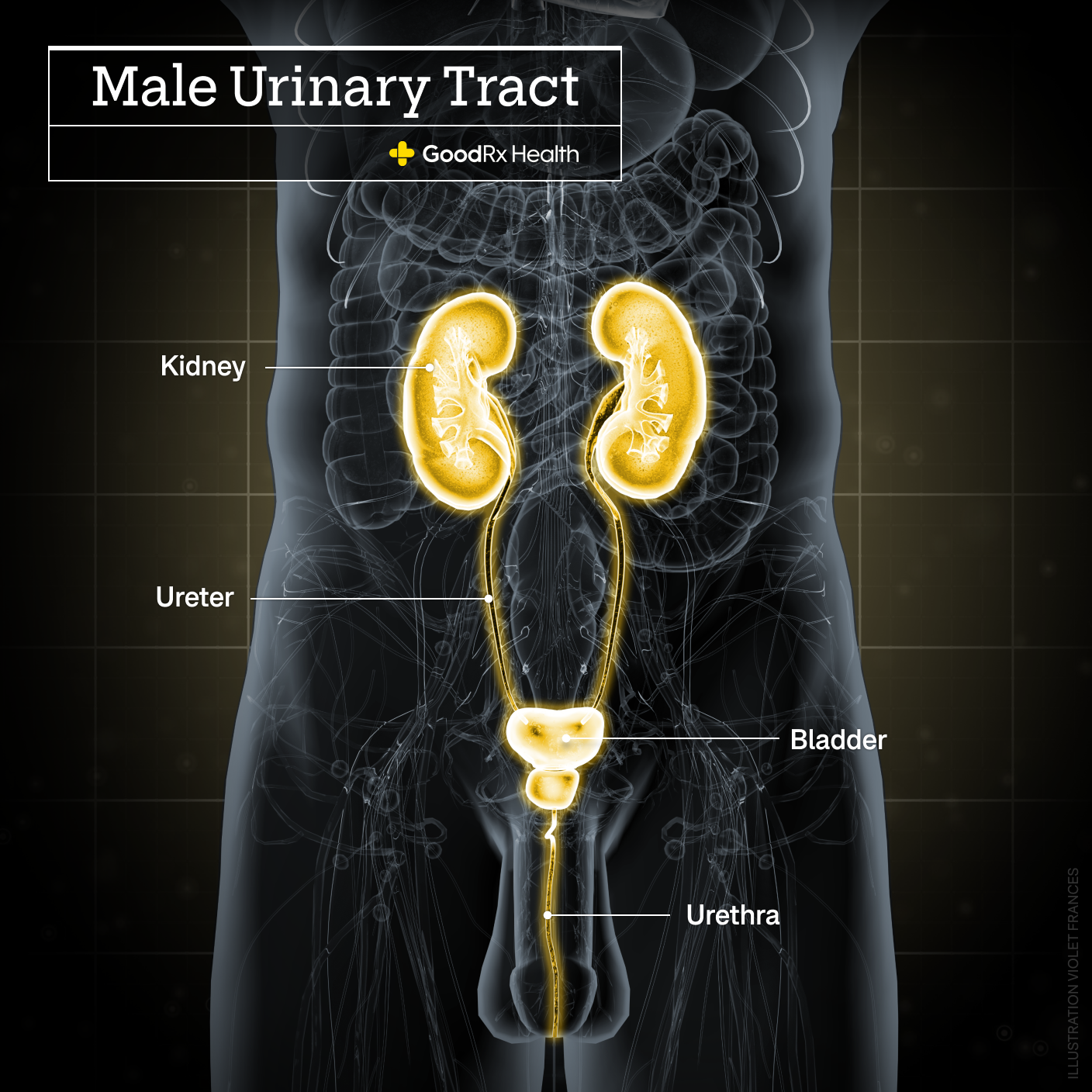
This pressure can partially block the flow of urine and make it harder to urinate. You may notice symptoms like:
Straining to start urinating
A weak urine stream
Urine that starts and stops
This pressure can also make it harder to fully empty your bladder. This may lead to:
Needing to urinate more often
Waking up at night to urinate
A sudden urge to urinate
Feeling like your bladder isn’t fully empty after you go
2. Blood in urine or semen
A tumor in the prostate can press on nearby structures like the bladder and parts of the body that make semen. This pressure leads to irritation and bleeding. The blood then gets mixed into urine and semen as these fluids travel through these structures and out of the body.
This can show up as blood in the urine or semen.
Blood may not look red when mixed with urine or semen. Urine or semen may appear pink, red, or even brown, and the color change can be subtle or more noticeable.
3. Erectile dysfunction (ED)
Erectile dysfunction (ED) isn’t a common sign of prostate cancer, especially early prostate cancer. But sometimes, the tumor can grow large enough that it also starts to press down on smaller, nearby structures like blood vessels and nerves that control the penis.
Compressed blood vessels and nerves don’t work properly. Nerves can’t properly send signals to the penis, and blood vessels can’t deliver enough blood to the penis. Without these two things, people can have trouble achieving and maintaining an erection.
4. Bone and joint pain
Bone and joint pain can be signs of advanced prostate cancer. If prostate cancer spreads (metastasizes), it often travels to the bone. This can lead to constant, nagging pain in bones and joints.
Most of the time, prostate cancer grows very slowly. So it’s not common for people to experience bone and joint pain as a first sign of prostate cancer. In fact, only about 5% of people have widespread prostate cancer when they’re first diagnosed.
5. Weakness and fatigue
Cancer cells can grow quickly. To fuel their growth, they use a lot of the body’s energy and nutrients. People may feel tired and overly fatigued if they have prostate cancer. They may also experience weight loss for the same reason.
What can cause prostate cancer?
Experts aren’t sure exactly what causes prostate cancer, but it’s likely the result of a combination of things like:
Genetics: A person’s genes likely play a role in whether they develop prostate cancer. Studies show that prostate cancer can run in families.
Age: People are also more likely to develop prostate cancer as they get older. How a person’s genes respond to the aging process likely plays a role too.
Lifestyle: Being exposed to certain things throughout your lifetime can also raise your risk of developing prostate cancer. There’s data showing that people who smoke are more likely to develop prostate cancer.
Diet: Eating a high-fat and meat-based diet can also raise the chances of developing prostate cancer.
What to do if you’re experiencing symptoms of prostate cancer
Talk with your healthcare team if you’re having symptoms that could be a sign of prostate cancer. They can check for other common causes of these symptoms. And they can help you figure out if you may need more testing.
Many of the symptoms of prostate cancer are subtle and overlap with other conditions. In fact, a symptom like frequent urination is more likely to be caused by conditions that aren’t as serious as prostate cancer. Benign prostatic hyperplasia (BPH), for example, can cause a slow urine stream as the prostate grows bigger with age. Similarly, infections of the urinary tract or prostate can cause difficulty urinating, frequent urination, and bloody urine.
Prostate cancer diagnosis and testing
If you’re worried about prostate cancer, your healthcare team may recommend the following tests:
PSA testing: This is a screening blood test for prostate cancer.
Rectal exam: This is the best way to feel the prostate gland. A healthcare professional briefly inserts a finger into the rectum to check the size and shape of the prostate. This isn’t everyone's favorite part of a visit to the doctor’s office. But it’s an important part of a routine physical exam.
Depending on the results of these tests, your healthcare team may recommend more tests to look for prostate cancer, like:
Prostate biopsy: This is a small procedure that collects cells from the prostate for testing. The cells are then analyzed with a microscope to see if they look cancerous.
Imaging studies: An ultrasound or MRI can look for areas of the prostate that might be suspicious for cancer.
Frequently asked questions
Yes, you can recover from prostate cancer. Prostate cancer that hasn’t moved beyond the prostate is very treatable. People with early prostate cancer have very high survival rates.
There are several things you can do to lower your risk of prostate cancer. Maintaining a healthy weight, consuming alcohol in moderation, and focusing on plant-based foods can lower your risk of developing prostate cancer. Not smoking (or quitting) can lower your risk too.
Most people don’t know they have prostate cancer. Prostate cancer doesn’t usually cause symptoms early on. Many people find out they have prostate cancer during routine health exams or screenings. But you should seek care if you have symptoms like trouble urinating, changes in your urine or semen color, or unexplained weight loss. These may be signs of prostate cancer.
Yes, you can recover from prostate cancer. Prostate cancer that hasn’t moved beyond the prostate is very treatable. People with early prostate cancer have very high survival rates.
There are several things you can do to lower your risk of prostate cancer. Maintaining a healthy weight, consuming alcohol in moderation, and focusing on plant-based foods can lower your risk of developing prostate cancer. Not smoking (or quitting) can lower your risk too.
Most people don’t know they have prostate cancer. Prostate cancer doesn’t usually cause symptoms early on. Many people find out they have prostate cancer during routine health exams or screenings. But you should seek care if you have symptoms like trouble urinating, changes in your urine or semen color, or unexplained weight loss. These may be signs of prostate cancer.
The bottom line
Prostate cancer doesn’t often cause symptoms early on. Some signs of prostate cancer can include urinary changes, blood and semen discoloration, or erectile dysfunction (ED). These symptoms can also be caused by less serious conditions. But you should still talk to your healthcare team if you develop any of these symptoms. They can check to make sure they aren’t caused by prostate cancer. Keeping up with routine health exams can help catch prostate cancer early, when treatment is most effective.

Why trust our experts?



References
American Cancer Society. (2023). Prostate cancer risk factors.
American Cancer Society. (2025). Signs and symptoms of prostate cancer.
American Cancer Society. (2025). Tests to diagnose and stage prostate cancer.
Cancer Research UK. (2025). Survival for prostate cancer.
Centers for Disease Control and Prevention. (2025). Symptoms of prostate cancer.
Gofrit, O. N., et al. (2013). Gross hematuria in patients with prostate cancer: Etiology and management.
Roswell Park Comprehensive Cancer Center. (2022). Where does prostate cancer spread?