Key takeaways:
Following a prediabetes diet should help to decrease your blood glucose levels and the risk of Type 2 diabetes.
There’s no single prediabetes diet that’s best for everyone. Most prediabetes meal plans include lean meats, healthy fats, limited whole grains, and nonstarchy vegetables.
If you have prediabetes, it’s a good idea to meet with a dietitian specializing in diabetes. They can help create a meal plan that’s best for your dietary and health needs.
Prediabetes is a condition where your blood glucose (sugar) levels are higher than normal but are not yet in the diabetes range. You can think of it as early diabetes, or borderline diabetes. What you eat on a daily basis can affect whether prediabetes develops into Type 2 diabetes. Following a prediabetes eating plan can help you reduce your risk of health complications. Let’s take a closer look at some prediabetes nutrition recommendations.
What’s the best diet if you have prediabetes?
There isn’t one single approach to a nutritious and balanced eating plan with prediabetes. Experts recommend a few principles to guide a prediabetes diet:
Focus on nonstarchy vegetables.
Limit added sugars and simple carbs.
Choose whole foods over highly processed foods when possible.
NYU Langone Health endocrinologist and GoodRx contributor, Sonal Chaudhry, MD, also recommends paying attention to portion sizes. “It doesn’t need to be overly restrictive,” she said. “But focus on calorie and portion control.”
That said, it might be easier for some people to follow a specific plan. There isn’t a specific prediabetes diet, but research supports a few options. The following eating plans all work to lower blood glucose levels and lower the risk of Type 2 diabetes:
Reduced carbohydrate diet (less than 45% of calories coming from carbohydrates)
What foods should you eat if you have prediabetes?
Beyond the type of eating approach you decide to choose, you’ll also want to look at some specific foods. Here are some of the best foods for prediabetes that have been shown to be helpful in lowering the risk of Type 2 diabetes.
Berries
Berries have been shown to be a healthy part of a prediabetes diet. They provide healthy phytochemicals, vitamins, fiber, and other nutrients. As a bonus, they can satisfy a craving for unhealthy sweets. Berries are best eaten as a whole, fresh, or frozen fruit.
Berries to include in a prediabetes diet are:
Raspberries
Blueberries
Strawberries
Blackberries
Unsweetened yogurt
Yogurt can be a healthy addition to a prediabetes diet. Some research shows that dairy found in yogurt can help lower the risk of Type 2 diabetes. Many yogurts also provide probiotics to support a healthy gut.
Some yogurts can be high in sugar, so make sure you look for unsweetened yogurt.
Nonstarchy vegetables
Nonstarchy vegetables help to provide nutrients like iron and fiber to the diet. They also have a low glycemic index, so they won’t raise your blood sugar the way starchy vegetables do. Some important nonstarchy vegetables for a balanced prediabetes diet include:
Leafy greens like lettuce, kale, chard, and spinach
Broccoli
Cauliflower
Cabbage
Bell peppers
Onions
Asparagus
Brussels sprouts
Nuts
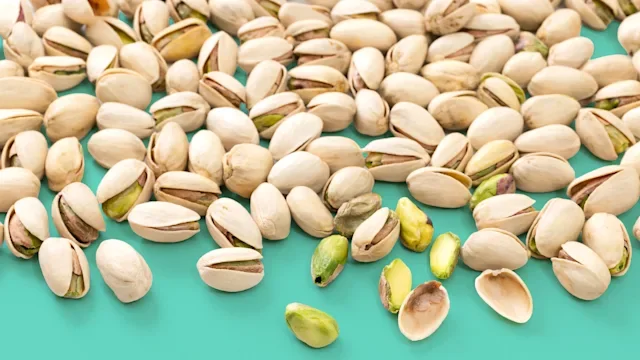
Not only do nuts have a lot of protein, they also provide fiber and minerals needed for a balanced diet. They have been shown to help with glucose control and may help prevent or control diabetes. Choose nuts that have lower fat and calorie content like:
Almonds
Walnuts
Pecans
Pistachios
Whole grains
Whole grains contain more fiber than processed grains. Fiber helps blunt the spike in glucose after eating carbohydrates. Whole grains may cause a spike in blood glucose, too, so they should be eaten in limited amounts. Some healthful whole grains include:
Whole-grain wheat
Buckwheat
Whole oats
Legumes
Legumes are a great source of lean protein. They also contain important minerals and fiber. Legumes can help with glucose control and lowering cholesterol. Legumes include:
Beans (like lima beans, broad beans, soybeans)
Peas (like English peas, sugar snap peas, and chickpeas)
Lentils (black, red, brown, and green are most commonly used)
Peanuts
Lean poultry
Chicken and turkey are a good source of protein. But they have fewer fat calories and a lower risk of diabetes like other meats.
When you choose lean poultry, make sure it’s grilled, broiled, or roasted. Deep-fried or breaded options add extra fat and calories. Sauces can also be a sneaky source of fat and calories. So skip the chicken nuggets with ranch dressing and opt for grilled chicken on a bed of leafy greens.
What are the best drinks for prediabetes?
Water is always the beverage of choice for overall health. One study suggested that drinking more water can delay or prevent elevated blood glucose levels. Water also helps the kidneys work their best and prevents constipation.
Other recommended beverage choices include:
Unsweetened almond milk
Plain herbal, green, or black tea (without high-fat creams and added sugar)
Coffee (without added sugar or high-fat creams)
Research suggests drinking moderate amounts of tea or coffee has been linked to a lower risk of getting Type 2 diabetes.
Which foods and drinks should you avoid if you have prediabetes?
In addition to knowing what to eat, it’s also important to consider what to avoid with prediabetes. Try to avoid or limit your intake of the following types of foods:
Processed red meat, like bacon, salami, and hot dogs
Sugar-sweetened beverages, like fruit juice, cola, and sweet tea
Processed carbohydrates, like chips, cereal, and white bread
Ultra-processed foods, like packaged snacks, baked goods, and protein bars
Tips for creating a prediabetes diet plan
Many of the same principles of diabetes diet planning apply to creating a prediabetes diet.
Work with a dietitian
When making a prediabetes meal plan, it’s a good idea to meet with a registered dietitian who specializes in diabetes. They’ll be able to create a meal plan for you that will meet your personal needs. You can find a local registered dietitian in your area.
Choose healthy snacks
One area of prediabetes meal planning that can be overlooked is snack foods. Consider having these foods on hand for healthy snacks:
Chopped fresh vegetables (like celery, carrots, and cucumbers)
Low-fat dairy products (like milk, low-sugar yogurt, and low-fat cheese)
Whole-grain crackers and breads
High-protein snacks (like nuts and seeds)
Portion your plate
When planning meals, it’s important to keep portions in check. You also want to balance your carbohydrates with healthy fats and protein sources. The plate method is an easy way to create balanced meals without a lot of calculations and measurements. You can also count carbohydrates to be sure they’re evenly distributed throughout the day.
Are there benefits to a prediabetes diet?
There’s overwhelming evidence that following a balanced diet like those in prediabetes meal plans has health benefits. It can lower the risk of conditions like:
Heart disease
High blood pressure
Stroke
Cardiovascular death
A balanced diet can also improve energy, build strong bones, and improve gut health. What’s more, these benefits can be seen in all people, not just those with diabetes or prediabetes.
What else should you consider if you have prediabetes?
A prediabetes diet alone may not be enough. That’s because other factors can play a role in prediabetes developing into Type 2 diabetes. Here are some additional lifestyle factors that have an impact on prediabetes.
Weight
Research shows that if you are overweight or have obesity, losing 5% to 7% of your body weight can help prevent Type 2 diabetes. Increasing your physical activity and making diet changes can help achieve this kind of weight loss.
Smoking
Cigarette smoking has also been found to increase the risk of Type 2 diabetes. Smoking causes inflammation in the body and raises your blood sugar. This can lead to Type 2 diabetes and increase the risk of complications. Whether you have prediabetes or not, it’s always recommended that you cut back on smoking.
Alcohol
If you don’t currently drink alcohol, it’s best to keep it that way. That’s because no amount of alcohol is safe before leading to health risks. Research suggests heavy alcohol consumption may increase the risk of developing Type 2 diabetes.
If you do decide to drink alcohol, choose wisely. Avoid mixers that contain added sugars, syrups, or fruit juices. Those ingredients are high in carbohydrates and will quickly raise your blood sugar.
Stress
Stress can cause the body to release stress hormones into the bloodstream. When this happens, it causes an increase in blood glucose levels.
If you have prediabetes, try to prioritize stress management to prevent those blood glucose spikes caused by stress. Science-based ways to reduce stress include:
Brisk walking, especially outdoors
Support groups for mental health
Sleep (aim for 7 to 8 hours of good-quality sleep every night)
Lifestyle programs
A lifestyle strategies program can help you make all of these changes — and make them stick. The National Diabetes Prevention Program (DPP) aims to help people prevent or delay Type 2 diabetes. This evidence-based program has been shown to lower the risk of developing Type 2 diabetes by almost 60% (and more than 70% for those over age 60 years).
Highlights include:
Working with a trained coach to make realistic, lasting lifestyle changes
Learning how to incorporate nutritious foods and more physical activity into your day
Finding out how to manage stress, stay motivated, and solve problems that can slow your progress
Getting support from people with similar goals and challenges
Ask a healthcare professional if there’s a DPP offered in your community or find one online. The best time to prevent Type 2 diabetes is now.
Frequently asked questions
The fastest way to reverse prediabetes is to follow a lifestyle that promotes health. This includes:
Getting 150 minutes of physical activity a week
Decreasing excess body weight
Eating lots of fruits and vegetables
Drinking water and avoiding sugary drinks
Quitting smoking, if you smoke
Bananas can be OK for prediabetes. But eat them only in very limited quantities since they have a high glycemic load and may raise your blood glucose. Less ripe (green) bananas have a lower glycemic index than fully ripe bananas.
Yes, eggs are OK in moderation. They’re a good source of protein, vitamins, and minerals. But the evidence is mixed on whether eggs can increase the risk of cardiovascular disease in people with Type 2 diabetes. So it’s best not to overdo it.
Potatoes, especially when fried, have been linked to prediabetes and diabetes. Potatoes also have a high glycemic index and can cause your blood sugar to spike. If you have prediabetes and choose to eat potatoes, avoid those that have been prepared with added ingredients. This includes avoiding potatoes prepared with:
Oil (french fries)
Butter or cream
High-fat cheese
Salt
There’s no “best” breakfast for people with diabetes. But a good breakfast will be high in fiber for blood sugar management and low in carbohydrates. Try to avoid added sugars, including those in sweetened coffee drinks.
The fastest way to reverse prediabetes is to follow a lifestyle that promotes health. This includes:
Getting 150 minutes of physical activity a week
Decreasing excess body weight
Eating lots of fruits and vegetables
Drinking water and avoiding sugary drinks
Quitting smoking, if you smoke
Bananas can be OK for prediabetes. But eat them only in very limited quantities since they have a high glycemic load and may raise your blood glucose. Less ripe (green) bananas have a lower glycemic index than fully ripe bananas.
Yes, eggs are OK in moderation. They’re a good source of protein, vitamins, and minerals. But the evidence is mixed on whether eggs can increase the risk of cardiovascular disease in people with Type 2 diabetes. So it’s best not to overdo it.
Potatoes, especially when fried, have been linked to prediabetes and diabetes. Potatoes also have a high glycemic index and can cause your blood sugar to spike. If you have prediabetes and choose to eat potatoes, avoid those that have been prepared with added ingredients. This includes avoiding potatoes prepared with:
Oil (french fries)
Butter or cream
High-fat cheese
Salt
There’s no “best” breakfast for people with diabetes. But a good breakfast will be high in fiber for blood sugar management and low in carbohydrates. Try to avoid added sugars, including those in sweetened coffee drinks.
The bottom line
If you have prediabetes, it’s important to take a look at your eating habits. There’s no single prediabetes diet that’s best. But it can be helpful to choose whole foods, including nonstarchy vegetables, legumes, and lean proteins. It’s also important to avoid processed and sugary foods. Talk with a dietitian about the best foods to decrease your risk of diabetes.

Why trust our experts?


References
Academy of Nutrition and Dietetics. (n.d.). Find a nutrition expert.
American Diabetes Association. (2020). 25 simple snack ideas.
American Diabetes Association. (n.d.). Carb counting and diabetes.
American Diabetes Association. (n.d.). Get smart about risks and diabetes prevention.
American Diabetes Association. (n.d.). Understanding carbs.
Barnard, N., et al. (2014). Meat consumption as a risk factor for Type 2 diabetes. Nutrients.
Calvano, A., et al. (2019). Dietary berries, insulin resistance and type 2 diabetes: an overview of human feeding trials. Food & Function.
Centers for Disease Control and Prevention. (n.d.). About the National Diabetes Prevention Program.
Centers for Disease Control and Prevention. (2024). Are you eligible to join the national DPP lifestyle change program?
Centers for Disease Control and Prevention. (2024). Diabetes and smoking.
Chen, M., et al. (2014). Dairy consumption and risk of type 2 diabetes: 3 cohorts of US adults and an updated meta-analysis. BMC Medicine.
Du, H., et al. (2020). Red meat, poultry and fish consumption and risk of diabetes: A 9 year prospective cohort study of the China Kadoorie Biobank. Diabetologia.
Evert, A. B., et al. (2019). Nutrition therapy for adults with diabetes or prediabetes: A consensus report. Diabetes Care.
Giovannucci, E., et al. (2024). Sugar-sweetened beverages and risk of Type 2 diabetes: A systematic review. USDA Nutrition Evidence Systematic Review.
Hegde, S. V., et al. (2013). Effect of community-based yoga intervention on oxidative stress and glycemic parameters in prediabetes: A randomized controlled trial. Complementary Therapies in Medicine.
Jing, Y., et al. (2009). Tea consumption and risk of Type 2 diabetes: A meta-analysis of cohort studies. Journal of General Internal Medicine.
Knutson, K. L., et al. (2007). Impact of sleep and sleep loss on glucose homeostasis and appetite regulation. Sleep Medicine Clinics.
Lu, T., et al. (2023). Dose-dependent association of alcohol consumption with obesity and Type 2 diabetes: Mendelian randomization analyses. The Journal of Clinical Endocrinology & Metabolism.
Ma, J., et al. (2023). Effectiveness of nature-based walking interventions in improving mental health in adults: a systematic review. Current Psychology.
McMacken, M., et al. (2017). A plant-based diet for the prevention and treatment of Type 2 diabetes. Journal of Geriatric Cardiology.
MedlinePlus. (2024). Glycemic index and diabetes.
MedlinePlus. (2025). How to prevent diabetes.
Nishi, S. K., et al. (2023). Nuts in the prevention and management of Type 2 diabetes. Nutrients.
Polak, R., et al. (2015). Legumes: Health benefits and culinary approaches to increase intake. Clinical Diabetes.
Roussel, R., et al. (2011). Low water intake and risk for new-onset hyperglycemia. Diabetes Care.
U.S. Department of Agriculture. (n.d.). Legumes.
van Dam, R. M., et al. (2006). Coffee, caffeine, and risk of Type 2 diabetes : A prospective cohort study in younger and middle-aged U.S. women. Diabetes Care.
Zhang, Y., et al. (2018). Potatoes consumption and risk of Type 2 diabetes: A Meta-analysis. Iranian Journal of Public Health.