Overactive bladder (OAB) isn’t simply “part of getting older,” and you don’t have to suffer with it. The symptoms of OAB — such as a frequent and urgent need to pee — can be frustrating, embarrassing, and highly anxiety provoking, and they can hold you back from doing things you love.
But treatment is available — and effective. Many people with OAB are able to reduce the urgency and frequency of their bathroom breaks, and that doesn’t always mean medications. “A substantive portion of treatment for overactive bladder is lifestyle modification,” says Lauri Romanzi, MD, urogynecologist in New York City.
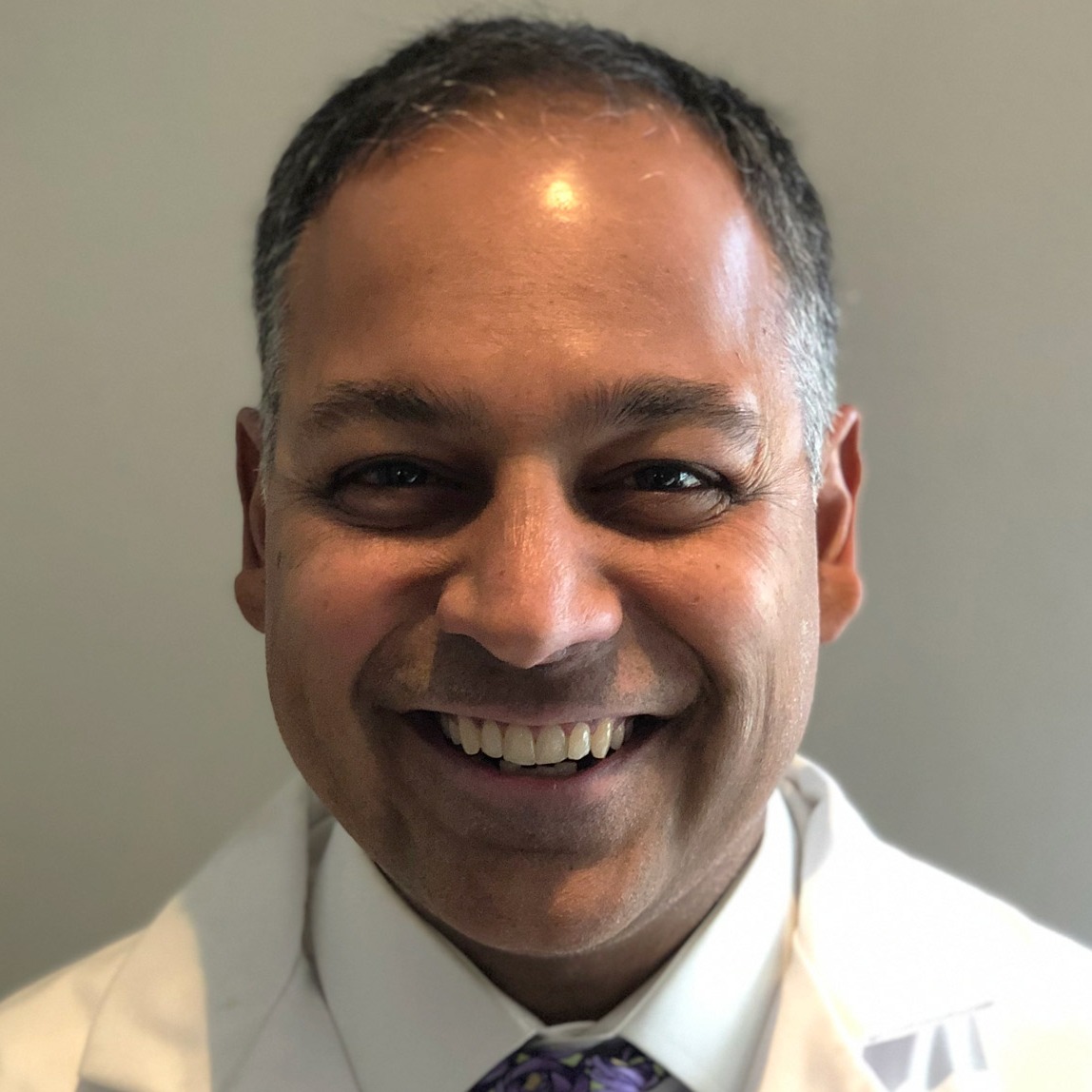
Dr. Romanzi is a Urogynecologist and Reconstructive Pelvic Surgeon based in New York City.
References
Al-Shaiji, TF, et al. (2012). Relationship between body mass index and overactive bladder in women and correlations with urodynamic evaluation. International Neurourology Journal.
Gormley, E, et al. (2012). Diagnosis and treatment of non-neurogenic overactive bladder (OAB) in adults: AUA/SUFU guideline. American Urological Association.
National Association for Continence. (n.d.). NAFC’s step by step guide to managing incontinence.
Urology Care Foundation. (n.d.). Lifestyle changes.

Why trust our experts?


Search and compare options