Key takeaways:
Many people with lupus experience worsening symptoms after exposure to the sun or other types of UV (ultraviolet) light.
Photosensitivity may lead to lupus rashes and/or other symptoms of a lupus flare-up.
There’s a lot you can do to protect yourself from UV light and decrease the risk of lupus flare-ups.
If you’re living with lupus, you might notice that certain things can worsen your lupus symptoms. Stress and a lack of sleep are common triggers that can cause a lupus flare-up. But did you know that exposure to sun or other types of UV (ultraviolet) light can also trigger lupus flare-ups? When people are sensitive to sun or UV light, it’s called photosensitivity.
About 7 in 10 people with lupus are photosensitive. This means their symptoms, like rashes, joint pain, and fatigue, get worse after exposure to UV light. This includes both UVA and UVB light, which can be found outdoors (sun) and indoors (fluorescent or halogen light bulbs).
If this has you worried about going outside, that’s understandable. But having lupus and photosensitivity doesn’t mean you have to spend your life in a dark room. There’s a lot you can do to protect yourself from lupus flare-ups caused by photosensitivity.
Why do people with lupus experience photosensitivity?
UV light damages everyone’s skin cells. When cells are damaged, the immune system (the body’s army) swoops in to clean them up. People with lupus may be more sensitive to this cell damage than others because:
Their skin cells are more sensitive to damage from UV light.
Damaged skin cells allow lupus antibodies to attach more easily, leading to more inflammation.
Damaged skin cells are cleared less quickly in people with lupus than in others.
What does a lupus sun rash feel like?
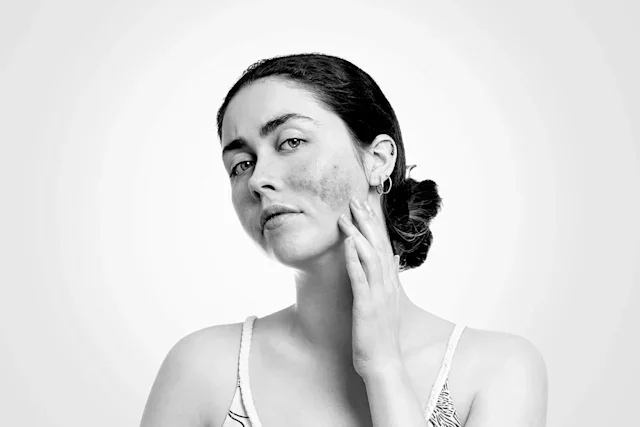
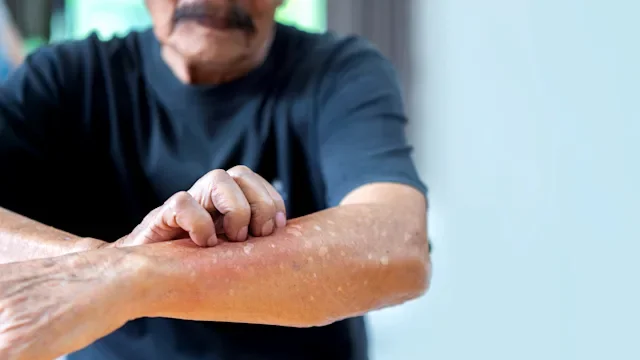
About 70% to 80% of people with lupus experience rashes at some point. Photosensitivity can trigger lupus rashes or make them worse.
Lupus rashes feel different for everybody. Some people may only notice changes in how the skin looks. Others may experience pain, burning, soreness, or rawness of the skin.
What other symptoms can occur after sun exposure?
Interestingly, photosensitivity can cause more than just rashes in people with lupus. Other symptoms of lupus flare-ups can occur, too. Examples include:
Joint pain or swelling
Feeling weak
Fatigue
Sores in the mouth
Fevers
Every person with lupus has their own personal set of symptoms. If UV light exposure causes your lupus to flare, your symptoms may include rashes and/or those you’ve experienced during prior lupus flare-ups.
How long after sun exposure does lupus flare up?
It depends. Lupus flare-ups caused by photosensitivity may occur minutes after exposure to UV light, or they may take several hours or even days to develop. Some symptoms caused by photosensitivity get better quickly. Others take days to weeks to improve.
What should you do if you get a lupus sun rash?
If you get a lupus sun rash, don’t panic. Here are three simple steps you can take:
Protect your body from more exposure to UV light. Find some shade or go indoors. If you’re already inside, find a darker room.
Try to relax, and continue taking your lupus medications as directed. There’s a good chance that your symptoms will get better quickly.
Reach out to your healthcare provider if your symptoms worsen or if you’re worried. They can help you figure out the next best steps to get you feeling your best again. This may involve new medications or going in for an appointment.
How can you treat lupus photosensitivity?
It depends. Sometimes treatment is as simple as going inside, continuing to take your medications as prescribed, and focusing on prevention (see below).
If a lupus flare-up is more severe, treatments may include steroid creams (like triamcinolone) or steroid pills (like prednisone). If flares are happening frequently despite your best efforts at prevention, your daily lupus medication(s) may need to be adjusted, too.
How can you prevent lupus photosensitivity?
You can’t keep yourself from being photosensitive. But the good news is that there are many things you can do to prevent lupus flare-ups due to photosensitivity.
Here are some steps you can take to keep flares at bay:
Wear sunscreen every day. Use it even if you’re staying inside all day or if it’s cloudy. Choose a sunscreen that is at least 70 SPF and includes both UVA and UVB protection (read the label on the bottle). It’s best to apply it 20 minutes before heading outdoors so it has time to take effect. Don’t forget to reapply every 2 hours when outdoors, and every 4 to 6 hours when indoors.
Wear clothing that covers your skin, like long sleeves and pants. If it’s hot, choose loose-fitting clothing made of lightweight fabrics, such as linen.
Sit in the shade when outside.
Wear large-brimmed hats and wraparound sunglasses.
When inside, choose lightbulbs that have the lowest intensity or bulbs that filter out UV rays.
Use UV-blocking shades to cover windows.
Are there medications that cause photosensitivity?
Yes. Several medications can increase sensitivity to UV light. Even some medications commonly used to treat lupus (like hydroxychloroquine and methotrexate) can increase photosensitivity.
It’s a good idea to review your medication list with your provider to see if there are any medications that could be changed. It might make sense to continue a lupus medication despite the higher risk. But it might be possible to stop or change others. Together with your provider, you’ll figure out what makes the most sense for you.
The bottom line
Photosensitivity can trigger lupus flare-ups and worsen rashes whether you’re outside or inside. This can be frustrating. But there’s a lot you can do to protect your body from exposure to UV light. Applying sunscreen, choosing full-coverage clothing and hats, and finding shade are just a few of the ways you can lower your chance of lupus flare-ups.

Why trust our experts?



References
Cojocaru, M., et al. (2011). Manifestations of systemic lupus erythematosus. Mædica.
Foering, K., et al. (2014). Characterization of clinical photosensitivity in cutaneous lupus erythematosus. Journal of the American Academy of Dermatology.
Lupus Foundation of America. (2018). What you don’t know about sunscreen, but should.
Sim, J., et al. (2022). Immune cell-stromal circuitry in lupus photosensitivity. Journal of Immunology.
Skin Cancer Foundation. (2021). Photosensitivity & your skin.
Skin Cancer Foundation. (2022). How to read a sunscreen label.