Key takeaways:
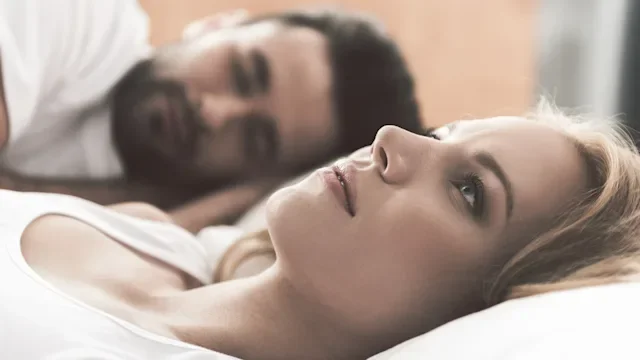
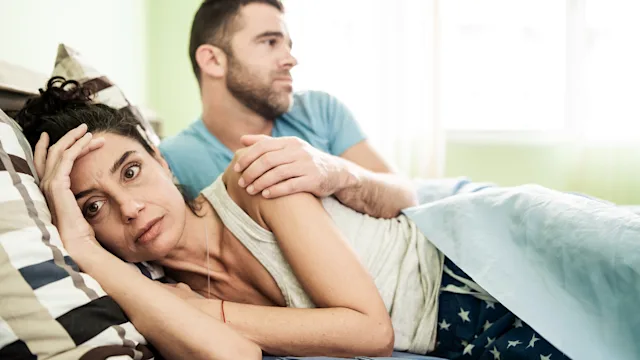
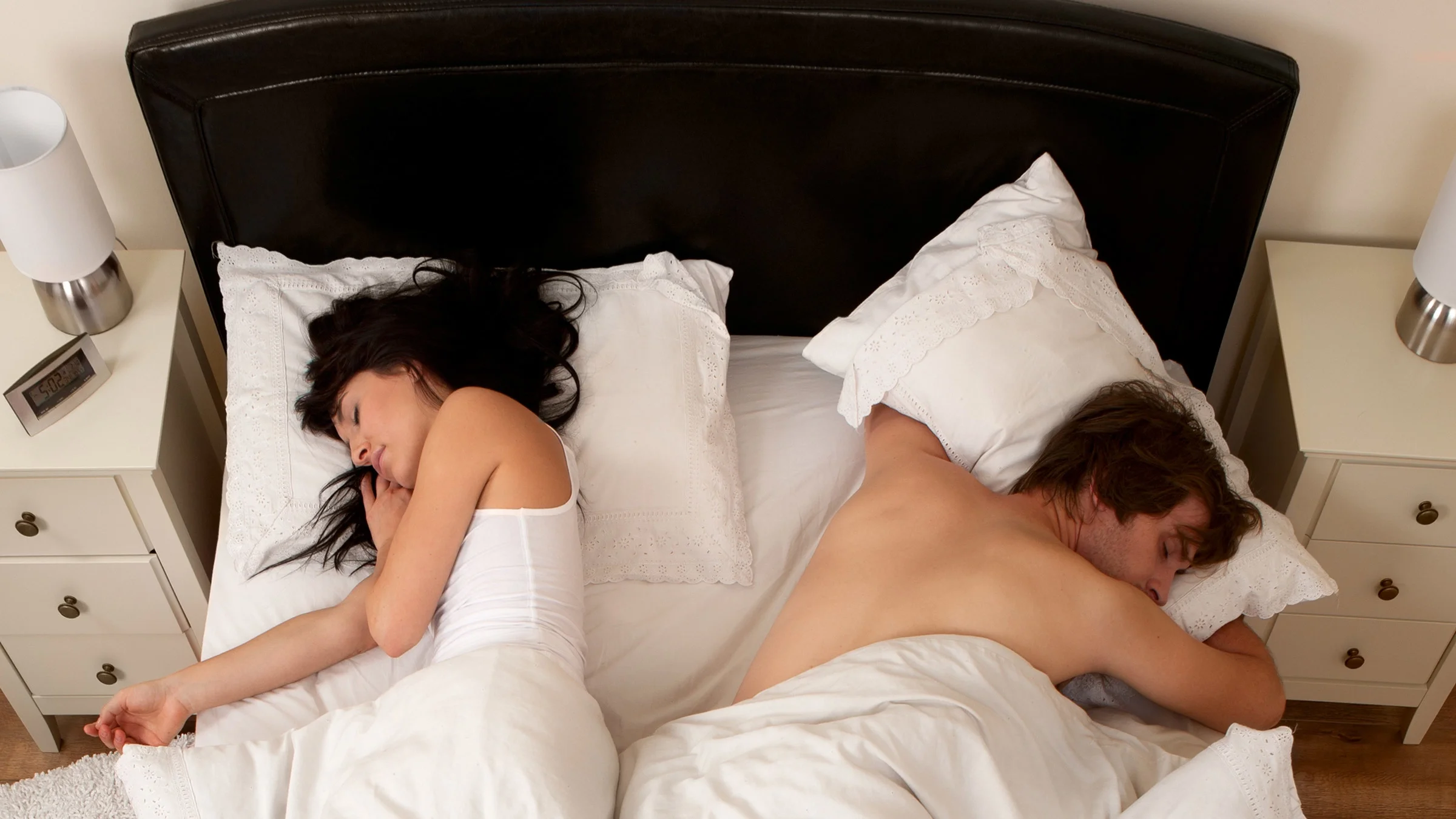
Lack of sleep can have serious consequences on your body and can even interfere with your sex life.
Sleep loss has been associated with sexual problems like erectile dysfunction, infertility, and a lower sex drive
To improve your sleep quality — and your sex life — you may need to make a few lifestyle changes.
It’s often recommended that adults get 7 to 9 hours of sleep every night. However, 1 in 3 adults do not get enough sleep regularly. Lack of sleep can damage many aspects of your health and wellness — including your sex life.
Here, we’ll explore the link between lack of sleep, your general well-being, and your sexual well-being.
What does lack of sleep do to your body?
Sleep allows your body to recuperate and recharge. Not getting enough sleep can result in dysregulation of your body’s sleep-wake cycle, or its natural pattern of sleeping and staying awake. Sleep-wake cycle dysregulation may lead to major problems, including:
Insomnia, or difficulty falling asleep
Not being able to stay asleep
Difficulty concentrating
Excessive sleepiness during the day
Fatigue
Headaches and other body aches
Poor judgment
Memory problems
Mood changes, such as irritability or anger
Anxiety and depression
Missing a few hours of sleep may not seem like a big deal. But when sleep loss happens frequently, it can trigger several health issues. Below are two examples of systems in your body that may not function as well when you don’t get enough sleep.
Immune system: Research shows that lack of sleep has powerful effects on the immune system. This includes reduced antibody production after vaccines and other sluggish immune defenses. There is even research suggesting that poor quality sleep makes you more likely to get the common cold.
Cardiovascular system: Over time, lack of sleep may raise your risk of developing high blood pressure, diabetes, and obesity. These conditions can result in heart disease and stroke.
How not getting enough sleep can affect your sex life
It may not seem comfortable to talk openly about how sleep issues affect your sex life. However, lack of sleep can get in the way of your sexual well-being in several ways.
1) Low libido
There may be a link between sexual arousal and how much you’re sleeping. For example, one study found that women’s libido, or desire to have sex, increased by 14% for every additional hour of sleep they got.
In addition, one small study suggests that lack of sleep can decrease a man’s testosterone — which can also cause low libido. Another study reveals that this drop in testosterone may cause difficulty sleeping as well.
2) Infertility
The male body also uses testosterone to produce sperm, which is key to reproduction and fertility. Males who do not get adequate sleep may not produce enough sperm. In addition, low testosterone levels can harm the quality of existing sperm. These factors, plus low libido, can impact a male’s ability to conceive children.
For females, research has linked long-term lack of sleep to having an irregular menstrual cycle, which can trigger problems with ovulation. Ovulation is the period in which an egg is released from the ovaries. It is also the period in which people with female sex organs are most likely to get pregnant.
3 ) Erectile dysfunction
Erectile dysfunction (ED) is a condition where you cannot get or maintain an erection in order to have sex. This condition affects over 30 million men in the United States. Oftentimes, ED is a symptom of another health problem — such as diabetes, heart disease, or sleep loss.
It appears that men who have sleeping disorders are more likely to have ED. To illustrate, a study published in 2016 found that 63% of men living with obstructive sleep apnea also had erectile dysfunction.
Does sex help you sleep?
Just as sleep may help you have a better sex life, sex may improve sleep quality. During sex, your body releases hormones, such as oxytocin and prolactin. Research shows that these hormones may reduce anxiety, which can induce relaxation and sleepiness.
The bottom line
Sleep is a crucial part of our lives, but many people do not get enough of it. Lack of sleep can disrupt many aspects of your well-being and cause long-term medical problems. It may also lead to sexual issues like a lower desire for sex, infertility, and erectile dysfunction. If you’d like to get more sleep, consider working on your sleep hygiene: Reserve the bedroom for just sleep and sex, avoid watching TV or using electronic devices right before bed, minimize caffeine throughout the day, and engage in relaxation techniques before heading to sleep. Talk with your healthcare provider for additional help.

Why trust our experts?




References
Centers for Disease Control and Prevention. (2016). 1 in 3 adults don’t get enough sleep.
Centers for Disease Control and Prevention. (2020). NIOSH training for nurses on shift work and long work hours.
Centers for Disease Control and Prevention. (2021). How does sleep affect your heart health?
Cohen, S., et al. (2009). Sleep habits and susceptibility to the common cold. Archives of Internal Medicine.
Goldstein, C. A., et al. (2016). Sleep, circadian rhythms, and fertility. Current Sleep Medicine Reports.
Jensen, T. K., et al. (2013). Association of sleep disturbances with reduced semen quality: A cross-sectional study among 953 healthy young Danish men. American Journal of Epidemiology.
Kalmbach, D. A., et al. (2015). The impact of sleep on female sexual response and behavior: A pilot study. Journal of Sexual Medicine.
Lastella, M., et al. (2019). Sex and sleep: Perceptions of sex as a sleep promoting behavior in the general adult population. Frontiers in Public Health.
Leproult, R., et al. (2011). Effect of 1 week of sleep restriction on testosterone levels in young healthy men. Journal of the American Medical Association.
Liu, M. M., et al. (2017). Sleep deprivation and late bedtime impair sperm health through increasing antisperm antibody production: A prospective study of 981 healthy men. Medical Science Monitor.
National, Heart, Lung, and Blood Institute. (2022). What are circadian rhythm disorders?
National Institute of Diabetes and Digestive and Kidney Diseases. (2017). Definition & facts for erectile dysfunction.
National Sleep Foundation. (2020). How much sleep do you really need?
Taken, K., et al. (2016). Erectile dysfunction is a marker for obstructive sleep apnea. Aging Male.
Wittert, G. (2014). The relationship between sleep disorders and testosterone in men. Asian Journal of Andrology.