Long COVID
Comprehensive information for you or a loved one — including treatment options and discounts on popular medications.

“Long COVID” is a condition of symptoms that last 3 months or more after infection with COVID-19. Other names for it include:
Chronic COVID
Post-COVID condition (PCC)
Post-acute sequelae of SARS-CoV-2 (PASC)
Long COVID can affect almost any organ in the body. But some of the most common symptoms are fatigue, shortness of breath, and headache (more on this below). It can affect both children and adults. And it can happen even after mild or asymptomatic (no symptoms) illness with COVID.
It’s difficult to determine how many people have been affected or can be affected by long COVID. Estimates range from 3% to 38% of people previously infected with COVID. This is due to differences in how it has been defined and monitored. Most recent survey data suggests around 5.5% of U.S. adults have long COVID.
To address this discrepancy and others, the National Institutes of Health (NIH) is conducting a large, multi-year research program on long COVID. It aims to better understand the causes and symptoms, determine a universal definition, and find effective treatments. This program is called Researching COVID to Enhance Recovery (RECOVER).
Researchers haven’t pinpointed one single cause of long COVID. But they now understand that COVID is unlike other viral infections in its complexity. It affects several different systems in the body and interferes with many cellular and molecular pathways. So, finding a single “cause” of long COVID is unlikely.
That said, research has shed some light on the following pathways that likely contribute to long COVID:
Remaining virus: Some people with long COVID might not be able to get rid of the virus. Some evidence suggests that people with long COVID are more likely to have COVID proteins in their tissues more than a year after their original infection. Others have found that the virus continues to replicate in many organs, where it can continue to directly harm those tissues.
Changes in the immune system: COVID may trigger the immune system to respond differently in certain people. It can also cause persistent overactivation of the immune system. This chronic inflammation can lead to many of the symptoms of long COVID.
Reactivation of other viruses: COVID can reactivate other viruses that linger in the body. For example, people with long COVID are more likely to show signs that an old infection with Epstein-Barr virus (EBV), the virus that causes mono, was reactivated.
Changes to the gut microbiome: People with long COVID are more likely to have changes to their gut microbiome 6 months after illness. There’s evidence that the type of bacteria found in the gut is associated with certain long COVID symptoms.
Damage to the vascular system: Studies suggest the virus can harm the endothelium, which is the inner lining of blood vessels. This damage plus activation of certain blood components can cause clots in small vessels and further inflammation.
Certain factors can increase your risk for developing long COVID after COVID infection. These risk factors include:
Older age
Female sex
Body mass index (BMI) 30 or greater
Smoking
Medical conditions, including diabetes, chronic obstructive pulmonary disease (COPD), asthma, heart disease, immunosuppressive disorders, and obstructive sleep apnea
Lower socioeconomic status
With regard to COVID and vaccinations, the following increase the risk of long COVID:
First COVID infection, as opposed to additional infections
Infection with early variants (before Omicron)
Requiring in-hospital care
Fewer than 2 vaccinations (risk decreases with each booster)
Many symptoms involving all organ systems have been linked to long COVID. In an effort to better define this condition, the RECOVER working group identified 12 key symptoms that can help separate long COVID from other conditions 6 months or more after infection:
Post-exertional malaise (the worsening of symptoms after physical or mental activity)
Fatigue
Brain fog
Dizziness
Gut symptoms
Heart palpitations
Sexual problems
Change in smell or taste
Thirst
Chronic cough
Chest pain
Abnormal movements such as muscle twitching or jerking
But that doesn’t mean these are the only symptoms possible. Other commonly reported symptoms of long-COVID include:
Shortness of breath
Headache
Skin changes
Sleep disturbance
Joint pain
It’s important to note that long COVID doesn’t look the same for everyone. For example, one study found that:
Black and Hispanic adults were more likely to have joint pain and headache.
White adults were more likely to have sleep disorders, problems with thinking, or fatigue.
There’s no specific test to diagnose long COVID. Long COVID can be a continuation of symptoms from the original COVID infection or new symptoms that develop as many as 3 months later.
A positive COVID test isn’t needed to diagnose long COVID. Some people may not know when they were originally infected.
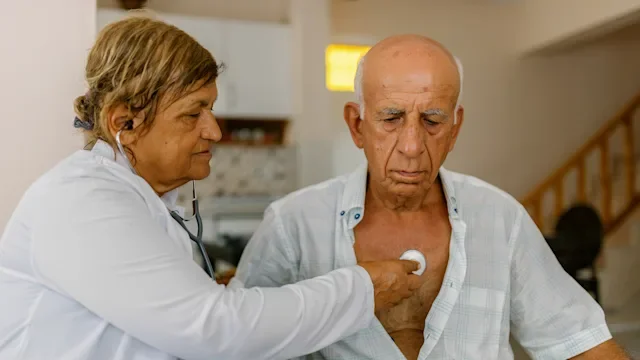
If you have symptoms of long COVID, your primary care provider will take a full medical history and perform a physical exam. Then, based on your symptoms, they’ll decide which labs and imaging tests you may need. They may order additional tests to rule out other conditions as well.
As researchers learn more about long COVID, better testing will become available for this condition. In the meantime, primary care physicians are working together with specialists to provide care for people with this condition.
There are no specific treatments for long COVID at the moment. Research is underway, including clinical trials, to find better treatments.
In the meantime, the goal of treatment is to alleviate symptoms. Some of the symptoms of long COVID overlap with other syndromes such as myalgic encephalomyelitis (chronic fatigue syndrome) and postural orthostatic tachycardia syndrome (POTS).
So, some of the same strategies can be used to reduce symptoms. For example:
Nonsteroidal anti-inflammatory drugs (NSAIDs) and nerve pain medications can reduce pain and discomfort.
Staying hydrated and keeping a steady blood sugar level can help with dizziness and similar symptoms.
Physical rehabilitation programs can be helpful for increasing physical activity and endurance.
Pulmonary rehabilitation can improve breathlessness, function, and even quality of life.
Millions of people in the U.S. and around the world are living with long COVID. As many as 25% of them say it affects their day-to-day living. Symptoms can be severe enough to prevent people from returning to their daily life or work. It can qualify as a disability and require accommodations, according to the Americans with Disabilities Act (ADA).
If you or a loved one is living with long COVID, you may be searching for something that can help. Here are a few tips to consider:
Exercise: Many people experience post-exertional malaise, or relapses of symptoms, after physical exercise. Before exercising again, talk with your healthcare team for guidance. Recommendations for your physical rehabilitation may differ depending on your individual health issues and condition.
Work: Talk with your primary care provider before returning to work. And consider asking your employer for a reduced work schedule or special accommodations because of your condition.
Sleep: Quality sleep is important for healing the body and mind. But it might be tough to get if long COVID is affecting your sleep. Improving or trying sleep hygiene, meditation, and even therapy can help.
Support: There are many support groups on social media and online for people with long COVID and their caregivers. Connecting with others can be helpful for your mental health. Consider working with a mental health specialist if you’re struggling with your well-being.
Yes. If you’re vaccinated against COVID, you’re less likely to develop long COVID after getting sick. And people who got 3 COVID shots have an even lower chance of getting long COVID than those who got 1 shot.
Vaccination remains the best preventive strategy for everyone. Fully vaccinated people who get COVID are less likely to develop severe illness needing hospitalization. And they’re less likely to develop long COVID symptoms.
Yes. If you’re vaccinated against COVID, you’re less likely to develop long COVID after getting sick. And people who got 3 COVID shots have an even lower chance of getting long COVID than those who got 1 shot.
Vaccination remains the best preventive strategy for everyone. Fully vaccinated people who get COVID are less likely to develop severe illness needing hospitalization. And they’re less likely to develop long COVID symptoms.
Yes. Reverse-transcription polymerase chain reaction (RT-PCR) and/or serologic (antibody) tests aren’t required to diagnose long COVID, according to the CDC. Healthcare professionals should use clinical judgment to determine if a person is experiencing a post-COVID condition.
Usually not. The virus that causes COVID can only be detected in the nose and throat for an average of 2 weeks after a person first has symptoms. If someone has long COVID, that means they’ve had symptoms for months, so it’s outside the window of viral shedding.
Yes, it’s possible for someone with long COVID to get reinfected with COVID. If you have long COVID, getting COVID again can worsen your long COVID symptoms. This is why it’s important to stay up to date with COVID vaccines to lower your chance of getting infected again.
Unfortunately, there’s not much data yet on recovery. But survey data suggests fewer people are now reporting symptoms of long COVID than before. And this study found that about 83% of people who had persistent symptoms at 6 months after infection reported recovery at 24 months.
Ballouz, T., et al. (2023). Recovery and symptom trajectories up to two years after SARS-CoV-2 infection: population based, longitudinal cohort study. The BMJ.
Batiste, L. C. (2021). Accommodating employees with COVID-19 or long COVID. Job Accommodation Network.

Prescription savings
Stop paying too much for your prescriptions. Compare prices, get pharmacy coupons, and save up to 80%. Find expert answers to your health questions so you can make the best decisions for yourself and your family.
Health conditions
Medications & treatment
Access & affordability
Medication discounts