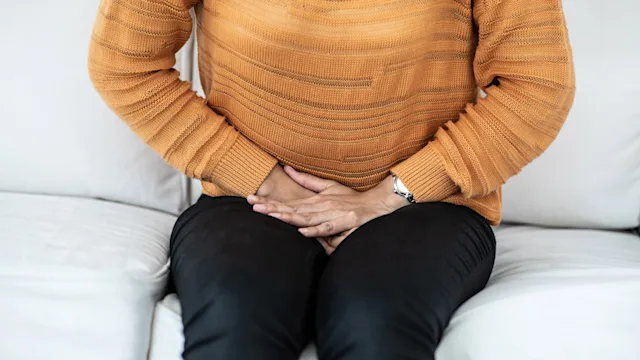
For people with irritable bowel syndrome (IBS), a lot of attention goes to what you eat. One of the first things most people do to improve symptoms is learn their food triggers and reduce their intake of the foods that give them trouble. That’s certainly important, but another key to manage IBS symptoms is how you eat.
Your meals are more likely to trigger IBS symptoms if they are rushed, large, sporadic, and chaotic. Making some intentional choices about when, how, and how much you eat at each meal may make a huge difference in your post-meal symptoms.
References
International Foundation Gastrointestinal Disorders. (n.d.). IBS diet: what to do and what to avoid.
National Institutes of Health. (2017). Keeping your gut in check.

Why trust our experts?

Written by:
Lauren Smith, MALauren Smith, MA, has worked in health journalism since 2017. Before joining GoodRx, she was the senior health editor and writer for HealthiNation.

Reviewed by:
Karen Hovav, MD, FAAPKaren Hovav, MD, FAAP, has more than 15 years of experience as an attending pediatrician. She has worked in a large academic center in an urban city, a small community hospital, a private practice, and an urgent care clinic.