Key takeaways:
Joanna Wen brought her high blood pressure under control by changing her diet.
She cut back on foods that were fatty, processed, or high in sodium.
She added garlic, cinnamon, celery, and ginger for their flavor and blood pressure-reducing properties.
Our “What I Eat” series explores what real people eat when they have a medical condition.
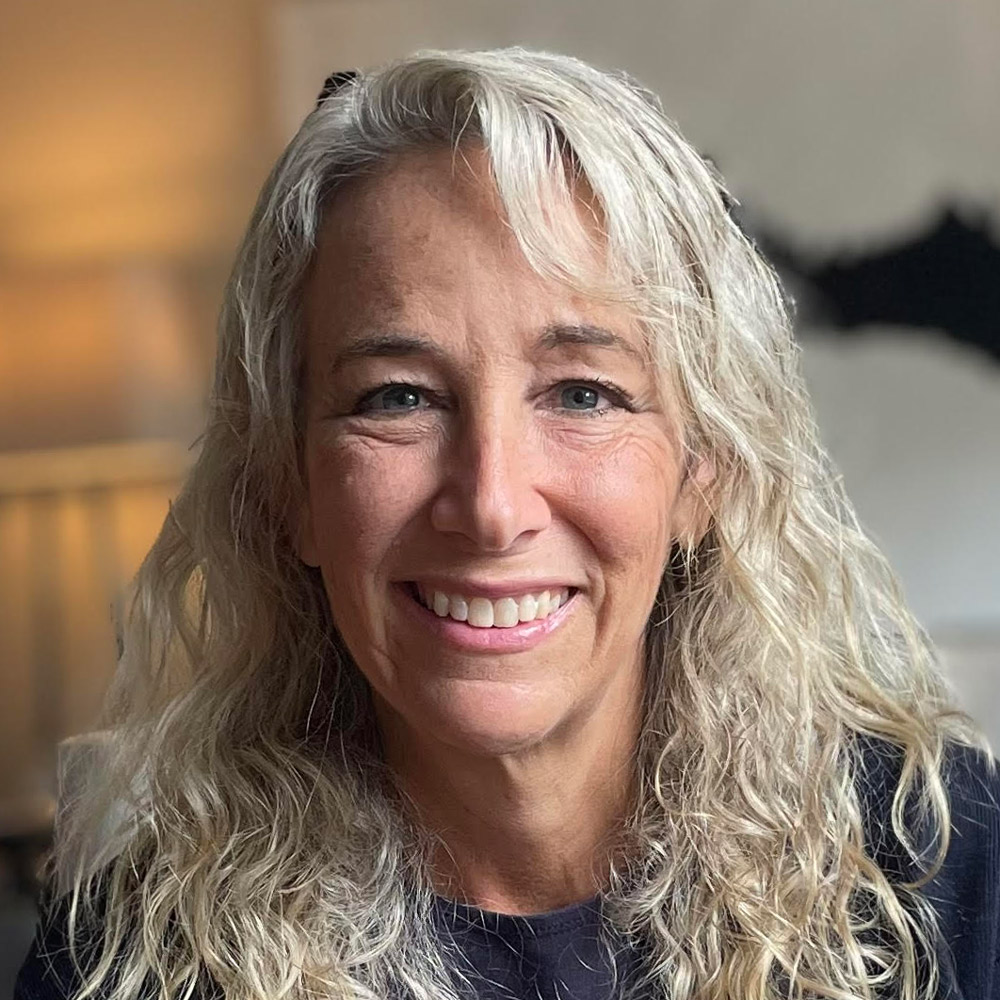
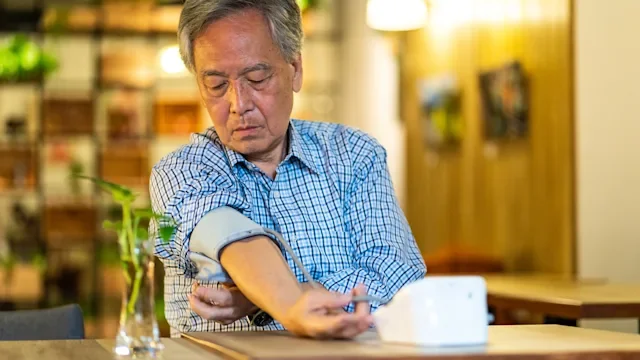
Joanna Wen was just 30 years old when she was diagnosed with high blood pressure (hypertension). At the time, she had a frighteningly high blood pressure reading of 160/110 (normal is 120/80 or lower).
That was 18 years ago. Joanna has since brought her blood pressure under control, without medication, by changing her diet. She cut way back on foods that were fatty, processed, or high in sodium.
She now fills her plate with nutrient-dense foods.
“Overall, I focused on eating more fruits and vegetables, lean proteins, and complex carbohydrates, which naturally healed and restored my body,” she says.
She also leans heavily on celery, garlic, and ginger, both for their flavors and for their blood pressure-reducing properties.


In the process, Joanna, who lives in a New York City suburb, carried healthy twins to term when she was 40 years old. Her blood pressure has been normal and steady, at around 110/70, for years. And it remained in that range during her pregnancy, when her risk for hypertension was particularly high.
Joanna is now helping other women manage their weight and health conditions as a weight loss coach for the nutrition consulting company she founded.
A family history of high blood pressure
Lifestyle choices such as an unhealthy diet can lead to high blood pressure. But in Joanna’s case, family history was the main culprit.
“There’s history of high blood pressure on both sides of my family,” she says. “My father had started on high blood pressure medication when he was around 30 years old.”
While many people experience no symptoms before they are diagnosed with high blood pressure, Joanna began getting frequent headaches, as well as a general feeling “that something’s not right,” she recalls.
She decided she would try to lower it without medication. “I just started looking at natural remedies,” she says.
She began by cutting these from her diet:
Canned soups
Deli meats
Processed foods
Other high-sodium foods
“I think that was the biggest change,” she says. “Now, I’m so used to it that even when I eat something that’s just a little salty it tastes very salty to me.”
Packing in the flavor
Joanna doesn’t cut back on flavor, though. These are some of her staples:
Garlic: Joanna learned that garlic contains allicin, a bioactive compound that may lower high blood pressure and relax blood vessels. The garlic can be raw or cooked, she says. She prefers it cooked because the flavor is milder.
Cinnamon: She also embraces the health benefits of cinnamon, an anti-inflammatory. She stirs it into oatmeal, stews, and chili, and uses cinnamon sticks to flavor coffee, tea, and hot chocolate.
Ginger: Another staple in her kitchen is ginger, which has been found to boost blood circulation.
Elderberry syrup: She also takes two teaspoons a day of elderberry syrup, which she finds beneficial as a natural antioxidant.
A sample breakfast, lunch, and dinner
Joanna stocks her fridge with lots of fruits and vegetables. She also drinks sparkling water instead of soda and limits sweet treats. Here’s what she typically eats in a day.
Breakfast
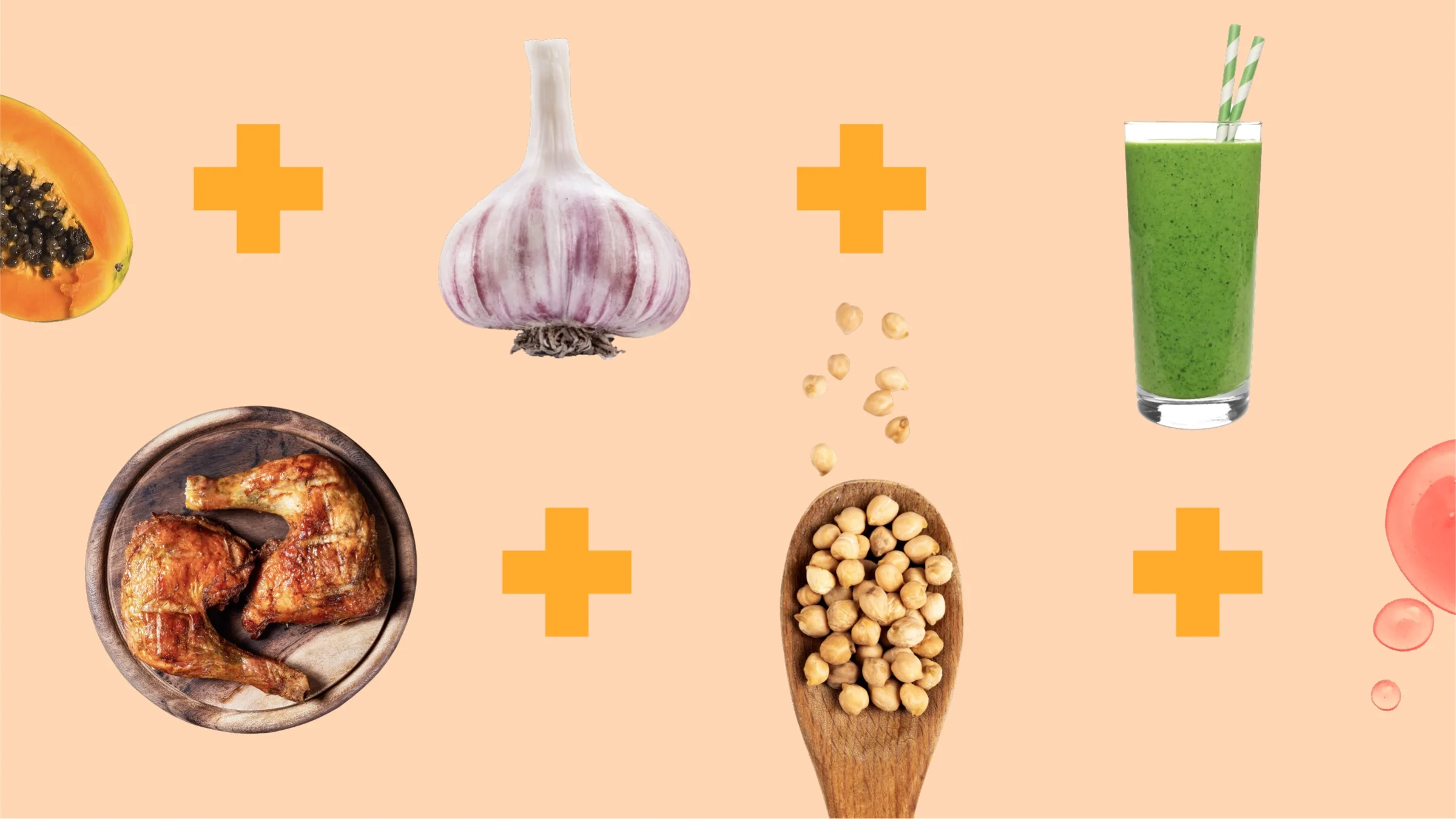
She might start her day with a green smoothie that she makes with celery, carrots, spinach or kale, avocado, and green pepper. Sometimes, she adds an apple for extra sweetness.
Lunch
Lunch is often leftovers from her dinner the previous night, which might be chicken or beef with string beans, flavored with lots of garlic, plus salt and pepper. She’ll round out the meal with a complex carbohydrate of rice, potato, chickpeas, or some other kind of bean.
Instead of frozen, processed French fries, she makes a salt-free version in her air fryer, adding paprika, onion powder, and garlic powder.
Dinner
On busy days, Joanna will often pick up a roasted chicken from the grocery. She buys bags of frozen vegetables that she can just throw into a pan and add spices. Another quick snack is store-made hummus.
Dessert
Joanna doesn’t have a strong sweet tooth, but she’ll occasionally get ice cream with her children. Or they might enjoy a treat like crepes with Nutella.
“It's just little changes here and there that can make [eating] a lot healthier,” Joanna says.

Why trust our experts?