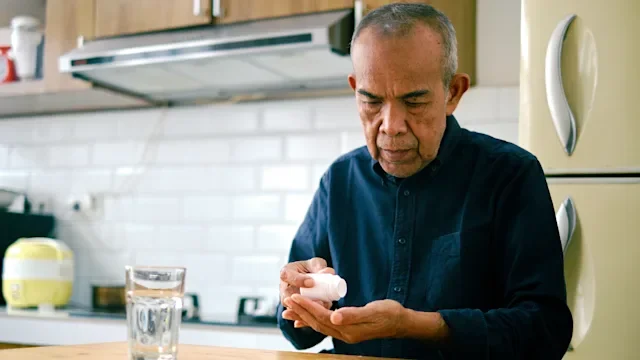
Living with a chronic illness like HIV can be a little overwhelming. It’s true that HIV treatment can help you live a mostly normal life, but managing a chronic illness is still a commitment. It includes taking your medications, visiting your doctor regularly, and sticking to safe and healthy habits. Thankfully, technology is evolving, and people with HIV can now use telemedicine in lieu of in-person doctor’s appointments.
How telemedicine helps people with HIV
People have busy lives, and doctor’s appointments just add to that. Even if it’s a quick and easy appointment, you still have to take time off work, drive to the hospital, park, check in, and sit in a waiting room. If you have to do this regularly, these appointments can really become disruptive.
Cue: telemedicine. Telemedicine refers to using technology (like live conferencing or phone calls) to meet with a healthcare professional. During telemedicine appointments, doctors can hear how you’re doing on your medication and if you are experiencing any side effects. These conversations can improve communication and assist your doctor in making an informed decision concerning medication changes or overall treatment plans.
During telemedicine appointments, you can also let your doctors know if you’re going through a major life change or if you aren’t mentally feeling your best. They can connect you to the right services or individuals, and it is much faster than waiting for an appointment. Plus, you won’t need to drive to the clinic or find parking.
How to prepare
It’s important to prepare for your telehealth appointment ahead of time. Make sure you have a strong internet connection, along with a quiet space where you can give your doctor your undivided attention.
Having a list of questions or concerns you want to bring up with your doctor is helpful. After all, it can be easy to forget to bring up your questions or concerns during the visit when you may be nervous or rushed.
If there is something visual going on with your body like a rash, it’s a good idea to take a picture and send it to your doctor in advance. This way, they can talk about treatment options during the call.
Finally, since your doctor can’t “check your vitals” during a telemedicine appointment, you may be able to help out. For example, you can:
Check your weight if you have a scale
Take your temperature with a thermometer
Take your blood pressure if you have a machine at home
Get these numbers ahead of time and have them written down. This can be very useful information for your doctor and their treatment decisions. Learn more about how to make the most of a telemedicine appointment here.
Getting help
If you have questions about telemedicine, talk to your doctor and even the people around you who use it for their medical needs. They may be able to offer you tips on how to make the most of your appointment.
Stella A. Safo, MD, MPH, is an HIV primary care physician and assistant professor of Medicine at the Icahn School of Medicine at Mount Sinai Hospital.
References
Adams, J. (2020). Health Providers: Join the Telehealth Revolution. Office of Infectious Disease and HIV/AIDS Policy (OIDP).
HealthHIV. (n.d.). TeleHealthHIV.
Mgbako, O., et al. (2020). COVID-19, Telemedicine, and Patient Empowerment in HIV Care and Research. US National Library of Medicine.

Why trust our experts?