Key takeaways:
Laura Morton’s daughter, Sevey, suffers from extreme anxiety.
As a parent, Laura searched for ways to help her daughter.
Laura explored the topic in her 2023 documentary, “Anxious Nation,” to try to understand the mental health crisis consuming so many families.
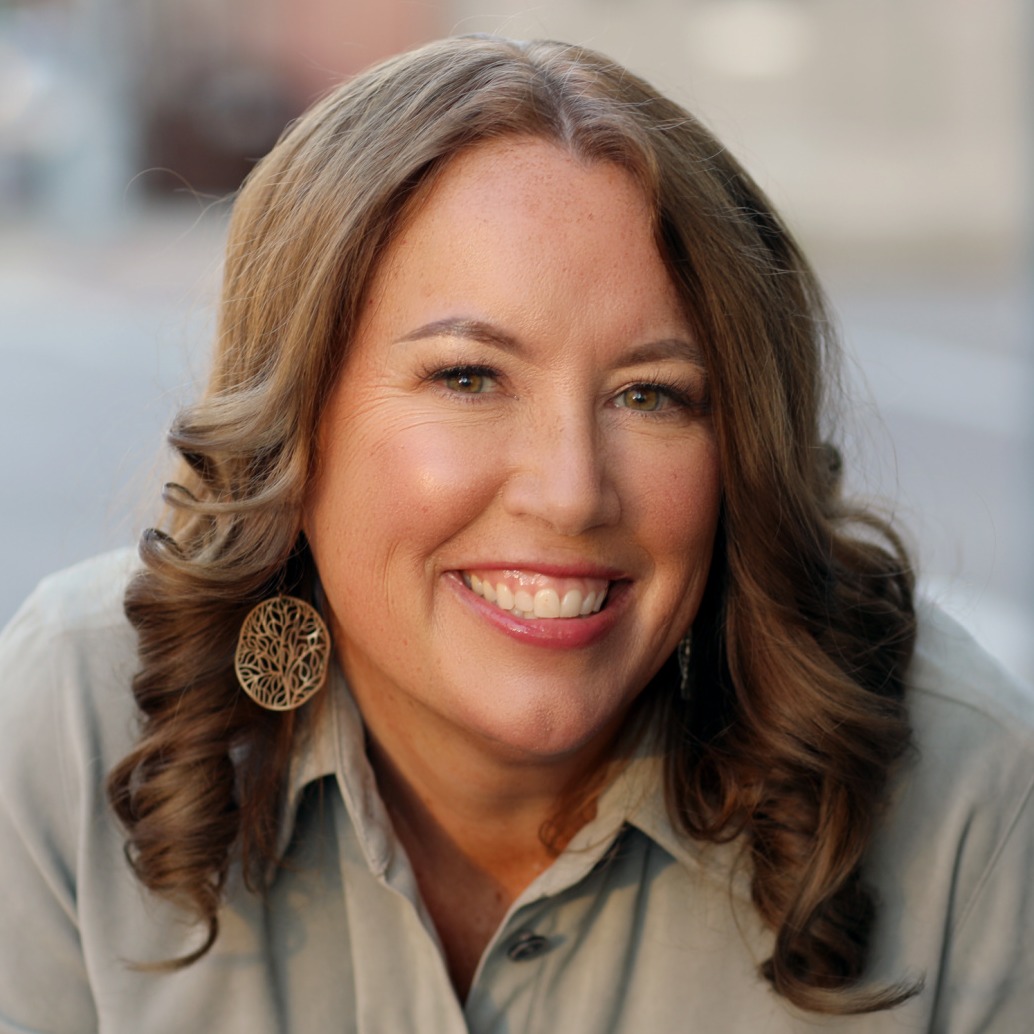
In 2018, Laura Morton’s daughter, Sevey, was 10 years old and going through a mental health crisis. It left Laura feeling frustrated and as though she was failing as a parent. She put a post on Facebook: “Kids and anxiety: Who is dealing with it?”
Laura got a lot of responses — both publicly and privately. It helped to know that she wasn’t alone in trying to manage a child’s anxiety. And, she wanted answers.
Why were rates of anxiety on the rise for children and adolescents? Why hadn’t any of the doctors she’d taken Sevey to talked about anxiety? And most importantly, how could Laura help her daughter find ways to manage it?
Search and compare options
“I became very curious, and I knew if our family was struggling, I couldn’t fathom how other families were getting through it,” says Laura, a 21-time New York Times bestselling author. She knew how to research and tell compelling stories, and she set out to do exactly that.
Ultimately, she made the documentary film “Anxious Nation,” released in May 2023. The film looks at anxiety in children and teens from the perspective of parents and their kids.
“I wanted to tell it from both points of view so that other families could benefit,” says Laura, now a 58-year-old mom in Cardiff, California.
Laura weaves Sevey’s story into the narrative, as well as the stories of a diverse group of other teenagers dealing with anxiety. She also interviews parents and many mental health professionals.
Laura made the film that she needed to watch. It helped her understand what was happening with Sevey, now 15, and Laura’s own role in all of it.
“Sevey is getting better at recognizing how to help herself,” Laura says.
For her part, Laura learned that some of her own behaviors could have been contributing to Sevey’s anxiety.
Understanding her daughter’s ‘extremely anxious existence’
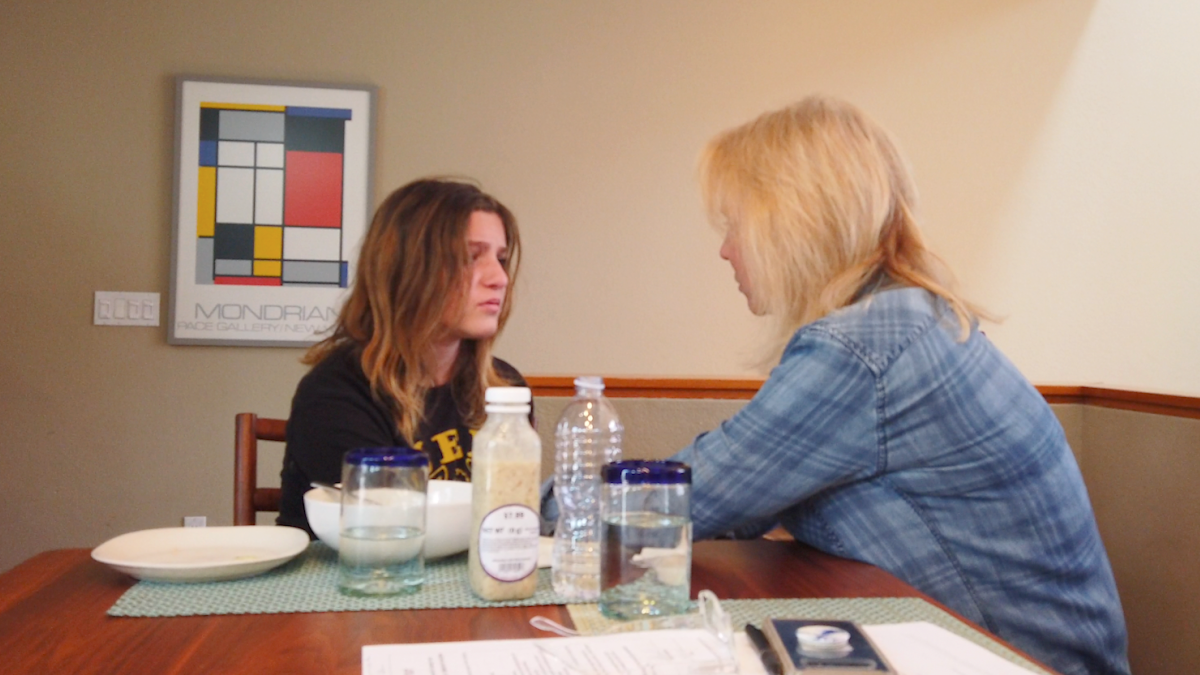
Laura doesn’t think of herself as anxious. But Sevey was anxious from the start. When she was as young as 3, Sevey had severe separation anxiety and what she describes in the film as “an extremely anxious existence.”
Some of the behaviors seemed normal at first.
“She wouldn’t go to another room in the house unless someone was with her,” Laura says.
Then it morphed into Sevey refusing to leave the house unless she knew exactly what to expect and whom she would encounter.
“It made it difficult for us to do anything,” Laura says.
Eventually, Sevey was afraid to go to school.
“The things that made her anxious continuously changed, but the anxiety kept manifesting in the same way,” Laura says.
For Sevey, that meant panic attacks. Her heart would race, and she wouldn’t be able to breathe.
“It started in her toes and moved through her body to the point that she couldn’t function,” Laura says.
Sevey would wind up frequently in the nurse’s office at school. It was awful for Laura to watch but even more terrible for Sevey to experience.
“Anxiety feels like a little piece of my heart rips off every time,” Sevey explains in the film.
Other teens interviewed describe anxiety as a “storm,” as “unbearable,” and “like worrying about your shadow.”
“I was feeling incredibly defeated as a parent,” Laura says. “I felt like I was letting her down.”
She took Sevey to multiple doctors — mostly for digestive issues that may have been caused by anxiety. But for 7 years, no one talked to Laura about Sevey’s anxiety. Instead, Laura says, everyone looked strictly at Sevey’s physical health and not her emotional well-being.
Why are kids more anxious today?
There’s no one answer for what is driving the staggering rates of anxiety and depression among teens. In March 2023, the CDC released data saying that nearly 3 in 5 (57%) U.S. teen girls reported feeling persistently sad or hopeless in 2021.
Not only that, but nearly 1 in 3 reported that they seriously considered attempting suicide in 2021. That’s up about 20% from just a decade ago. Almost 10% of all children ages 3 to 17 had diagnosed anxiety from 2016 to 2019, with the numbers increasing every year since 2003.
Many factors exacerbate mental health issues among teens. LGBTQ+ teens have higher rates of anxiety and depression. Rates are rising among all racial groups, but Black youth are especially affected. From gun violence to racial trauma to “fear of missing out” (FOMO) — our children’s mental health is affected by many societal realities.
But as Laura discovered, sometimes our own parenting strategies are contributing, too.
3 things parents can do when dealing with anxious kids
When Laura interviewed teens and experts for her documentary, she learned some things about herself, as well. Three things in particular stuck out to her — behaviors she was able to spot in herself and work on.
1. Stop ‘catastrophizing’ (thinking the worst will happen).
As parents, we inevitably worry about our kids. When we exaggerate the danger of everyday events — such as riding a bike without a helmet — it can make our children more anxious, Laura says. The world is a scary place, but it’s always been that way. When we constantly catastrophize in front of our kids, they can internalize it. “It’s coming from a place of love,” Laura says. “But when we catastrophize to an anxious child, it can make their anxiety worse.”
2. Recognize that anxiety is like ‘a cult leader in the home’
This was a huge “aha moment” for Laura. “It’s the idea that anxiety is so powerful, it often dictates everything, and the family gives in to it. As long as you do everything anxiety demands you do, it’s fine. But as soon as you go against it, it becomes a problem.”
3. Recognize when you’re ‘doing the disorder’
This refers to all the things you may do in order to not anger “the cult leader,” Laura says. It looks different in different households. It can mean following the child’s rules and rituals or letting them skip certain things. It can appear quite different from the “tough love” approach that sets strict consequences for a child's actions. (That doesn’t tend to work well, either, according to experts). But it does mean resisting the anxious child’s behaviors and teaching them to resist them.
From stress to strength: A turning point and new coping skills
When she was going through her crisis, Laura’s daughter saw several therapists. But it wasn’t until Sevey did a 5-day intensive therapy program in Phoenix that Laura had a realization: One of the things behind Sevey’s anxiety was a fear of abandonment. Sevey feared that something would happen to her mom and she would never see her again.
As a single parent, Laura had relied on various types of caregiving help when Sevey was little. But inevitably, babysitters would move on. That had a big impact on Sevey, which Laura had not realized.
Laura understood that it wasn’t her fault. But the realization helped her understand that small events in the lives of parents can be very big events in the life of a child. And some children are naturally wired to hold on to a fear and let it gradually control them more and more.
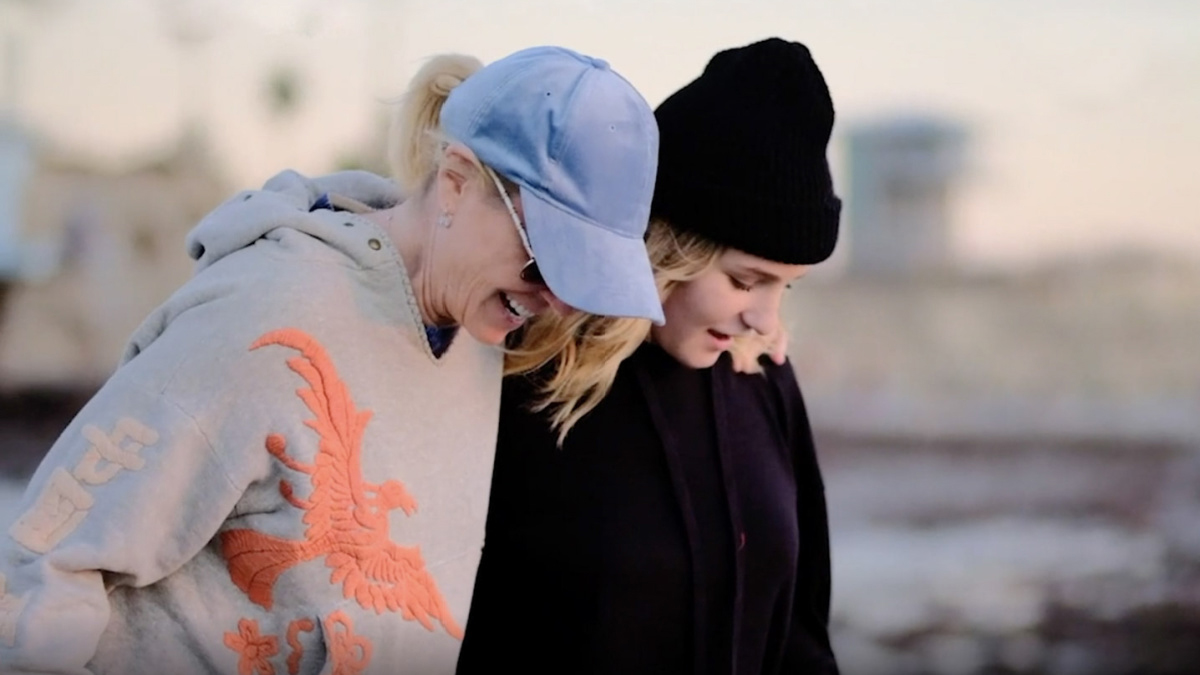
For Sevey, learning coping skills has been hugely helpful. She journals and listens to music, which calms her. She takes frequent breaks from her phone and other devices. She walks the dog.
“These are all things that don’t cost money,” Laura says.
Laura is also a big advocate of art therapy. “Anxious Nation” contains artwork from kids all over the world who created pieces depicting their mental health state.
“I want families to know that they are seen and heard and that they should have hope that anxiety doesn’t need to define who we are,” Laura says. “There are things we can do to take action.”

Why trust our experts?