Key takeaways:
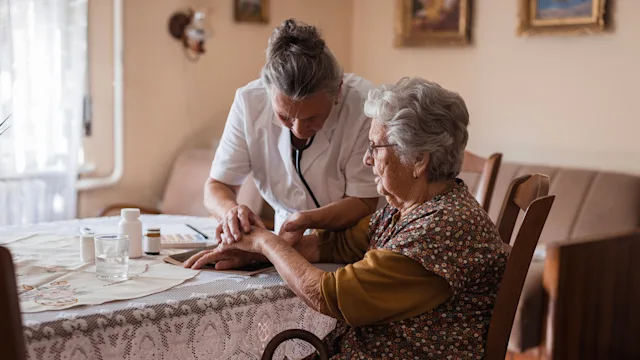
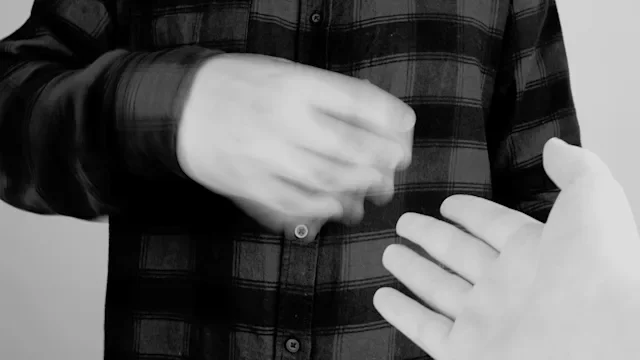
Essential tremors are involuntary movements of the hands, arms, head, voice, or other parts of the body.
Treatment options include medications, such as beta blockers, that can help reduce the severity of the tremors.
For Elsie Hamilton, lifestyle changes also helped.
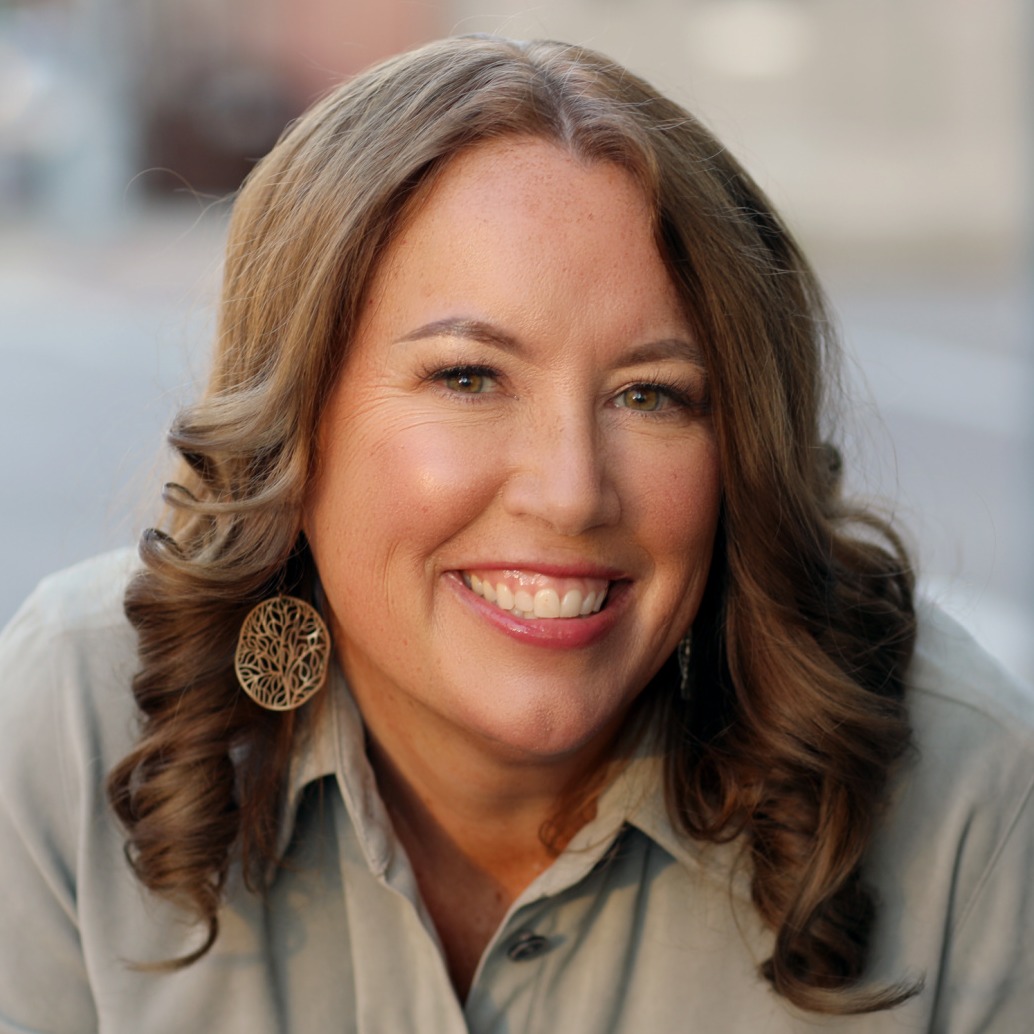
Before she started having hand tremors, Elsie Hamilton was a noted painter. She built a career creating portraits, still lifes, and landscapes.
But in her 40s, she started having what’s known as essential tremors — a neurological condition that made her hands shake.

Some people confuse essential tremors with Parkinson’s disease, but essential tremors are actually eight times more common. The International Essential Tremor Foundation estimates that about 7 to 10 million people in the U.S. have this condition.
When Elsie had a heart attack at 48, her tremors worsened. It got harder and harder to hold a paintbrush or keep her hand steady. She had trouble with everyday activities like writing a note, putting on a necklace, or opening a door.
Elsie, who is now 63 and lives in Englewood, Colorado, remembers her grandmother having mild tremors. But they were nothing like Elsie's, which also show up in her voice when it quivers.
Elsie's symptoms earned her the family nickname “Shaky Paws.”
“When I’m in a hurry, my hands turn into shaky paws and become uncontrollably shaky,” she says.
Medication and lifestyle changes help ease tremors
To help with her symptoms, Elsie takes a beta blocker called propranolol. It works by slowing down her heart rate and relaxing her blood vessels.
Elsie has also learned to tune in to other things that help keep her hands from shaking uncontrollably. She finds an occasional glass of wine or a vodka drink can relax her tremors. Exercise also helps. She lifts weights most mornings and stays hydrated.
Finding a focus aside from her health also helped
Elsie also learned to take her health in stride.
She says surviving her heart attack (which was unrelated to her tremors) was the thing that changed her outlook on life the most. It came on one day when she was shoveling heavy snow outside her house.
“Prior to my heart attack, I was unhappy that I had to stop painting due to my tremors," she says. "When I survived it, I had a fresh outlook. And knew I could change my life."
After her heart attack, Elsie decided to change her career. At first, she had no idea what she would do, but an idea came to her from something she was dealing with every day at home. Lilly, the mini Australian shepherd her family adopted, had been shedding hair all over the house. The lint rollers Elsie had been using weren’t working well, so she came up with her own invention.
She attached two toothbrushes to a block of wood and started scrubbing away at the couch. When her sons came home to find her cleaning the couch, they were surprised to see her contraption.
“My sons told me I could never make this idea into a company to replace sticky rollers, and I said, ‘Watch me. I’ll make it work,’” she says.

She founded the Lilly Brush Co. in 2011, two years after her heart attack. She has grown the brush into one of the largest pet-hair solutions in the world.
Elsie says she’s thankful she could create this company despite her tremors.
“It’s a handicap that doesn’t feel like a handicap," she says of her essential tremors. "And I’m just grateful to be alive and healthy.”

Why trust our experts?