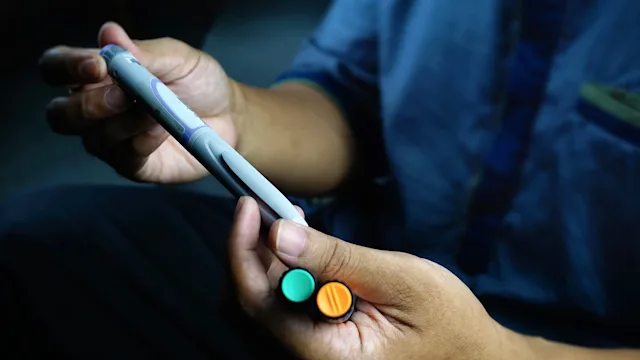
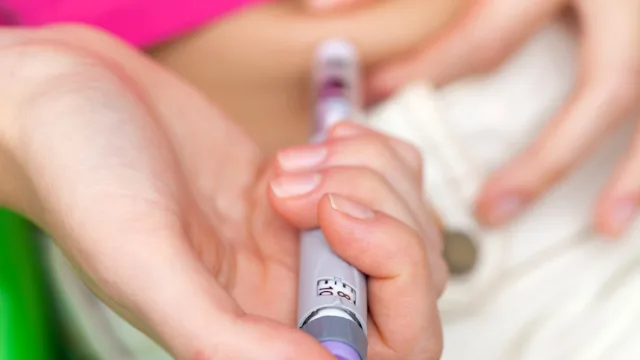
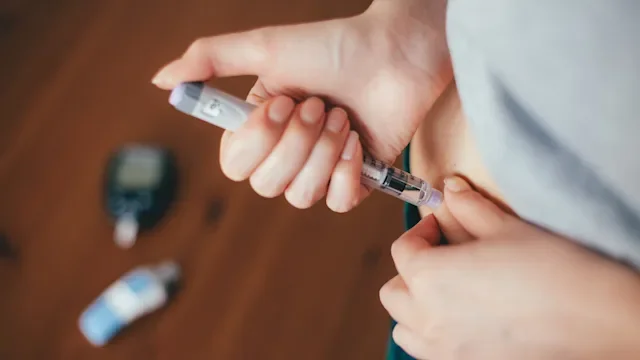
Type 1 diabetes is the type of condition that can take patients by total shock. Unlike type 2 diabetes, it’s not as closely linked to lifestyle or diet; many people with type 1 diabetes consider themselves healthy individuals and have no obvious risk factors. (Learn more differences between type 1 and type 2 diabetes here.) Either way, type 1 diabetes symptoms can begin suddenly and seemingly out of nowhere.
So what’s it like to hear those life-changing words—you have type 1 diabetes—from your doctor? That’s the reality for an estimated 40,000 Americans who learn they have type 1 diabetes each year, according to the American Diabetes Association. HealthiNation interviewed three patients about how they learned their type 1 diabetes diagnosis and the surprising lessons they learned from the experience.
“The healthiest I’ve ever been”
“You don’t really understand how bad you feel until you start to feel good again. After experiencing the sudden hearing loss, the leak under the retina, the sudden drop of weight over a short period of time, I was so ill but I didn’t even realize it.
“I actually started to hallucinate on the subway platform going to the office one day. Long story short, I ended up going into the emergency room that day with my blood sugars being over 800. I was given my first insulin injection in the emergency room that day. I was pumped full of fluids. It opened up a whole new chapter of life for me.
“Now not only did I have to understand all the body chemistry that goes along with being a type 1 diabetic, but I also had to understand how nutrition comes into play, how exercise comes into play. So all of those things combined, amount to a world of constantly being very aware of the condition, but in my opinion, it’s probably the healthiest I’ve ever been because I’m constantly in touch with where my diabetes is at any one period of time.”
—Craig Kasper, diagnosed at age 27
It’s an emotional rollercoaster
“My mom actually thought I was anorexic because when I was checked into the hospital, I weighed 78 pounds at the age of 15. I had lost 20 pounds in a very short amount of time. It was very hard to see anything because the sugar blocks up in the back of your eyes and you’re on a major rollercoaster as you’re starting to get adjusted [to life with diabetes].”
—Liz Van Voorhis, diagnosed at age 15
“My life was beginning, and my life was ending”
“I was in my freshman year of college and I was going to school away from home, and I had been having the typical symptoms of diabetes but I had no idea what that was. I was always thirsty, always at the water fountain, couldn’t drink enough. I remember I was losing weight without trying, and of course, at 18, that’s a wonderful thing, isn’t it? It was only later that I realized those were all symptoms—classic symptoms—of diabetes.
“So we went to the doctor, and they said to my parents, ‘Your daughter has diabetes. You have to take her right away to the hospital.’ And I remember very clearly thinking my life was beginning and my life was ending, all at the same time. I’m convinced, on the whole, that diabetes keeps me healthier than if I hadn’t had it.”
—Riva Greenberg, diagnosed at age 18
Want more patient perspectives? Here are patients’ tips for preventing low blood sugar, advice for living with type 1 diabetes, and finding the best health care team for treating diabetes.
References
Freeborn D, Dyches T, Roper SO. Lessons Learned From a Life With Type 1 Diabetes: Adult Perspectives. Diabetes Spectr. 2017;30(3):188-194
Type 1 research highlights. Arlington, VA: American Diabetes Association. (Accessed on May 3, 2021 at http://www.diabetes.org/research-and-practice/we-are-research-leaders/type-1-research-highlights/.)

Why trust our experts?